Table of Contents
- Introduction
- Understanding Full Shade Gardens
- Choosing the Right Plants for Full Shade
- Layering Plants for Visual Interest
- Incorporating Texture and Color
- Creative Hardscaping for Shade Gardens
- Water Features and Garden Art
- Maintenance Tips for Full Shade Gardens
- Conclusion
1. Introduction
Creating a beautiful shade garden in a fully shaded area can be a rewarding challenge. While most gardeners focus on sunny spots, full shade areas offer unique opportunities to design lush, tranquil retreats. By choosing the right plants, layering textures, and incorporating creative elements, you can transform dark corners of your garden into vibrant, serene spaces. Shade gardens are perfect for creating a relaxing escape, adding visual interest, and supporting biodiversity.
2. Understanding Full Shade Gardens
Full shade areas receive little to no direct sunlight, often under dense trees or along north-facing walls. Understanding light patterns is crucial for plant selection and garden layout. Full shade gardens can benefit from natural cooling, reduced water evaporation, and protection from harsh summer sun. Planning your garden with these conditions in mind ensures your plants thrive and your space remains visually appealing year-round.
3. Choosing the Right Plants for Full Shade
Plant selection is the key to success in full shade gardens. Look for species that thrive without direct sunlight while adding variety in height, texture, and color:
- Ferns: Elegant and versatile, ferns like Japanese Painted Fern or Autumn Fern provide graceful texture.
- Hostas: Renowned for their lush foliage, hostas come in various colors, from deep green to variegated whites and blues.
- Astilbes: Perfect for adding soft blooms in pink, red, or white that brighten shaded areas.
- Heuchera (Coral Bells): Compact plants with vibrant leaves in purple, bronze, or lime green.
- Hydrangeas: Shade-tolerant varieties produce large, stunning blooms in summer.
- Hellebores: Early bloomers with long-lasting flowers, ideal for winter and spring interest.
Combining plants with different heights, leaf shapes, and seasonal interest keeps your garden dynamic and visually appealing even in low light.
4. Layering Plants for Visual Interest
Layering plants helps create depth and richness in a shade garden:
- Tall Backdrops: Use taller plants like ferns, hydrangeas, or shade-tolerant shrubs to form a backdrop.
- Medium Layer: Hostas, astilbes, or heucheras fill the midsection, adding texture and color.
- Ground Covers: Use low-growing plants such as sweet woodruff, ivy, or ajuga to cover bare soil and add cohesion.
Layering not only enhances aesthetics but also reduces soil erosion, keeps weeds at bay, and supports a healthy garden ecosystem.

5. Incorporating Texture and Color
Shade gardens don’t have to be dull; texture and color are key:
- Foliage Variety: Mix large, broad leaves with delicate, feathery foliage to create contrast.
- Colorful Leaves: Choose plants with variegated or colorful leaves to catch the eye.
- Seasonal Blooms: Incorporate flowers that bloom at different times to maintain interest throughout the year.
- Lighting Effects: Use dappled sunlight to highlight plants and create focal points.
Adding moss, ferns, and unique foliage plants brings dimension and a natural woodland feel to shaded areas.
6. Creative Hardscaping for Shade Gardens
Hardscaping enhances structure and usability in shade gardens:
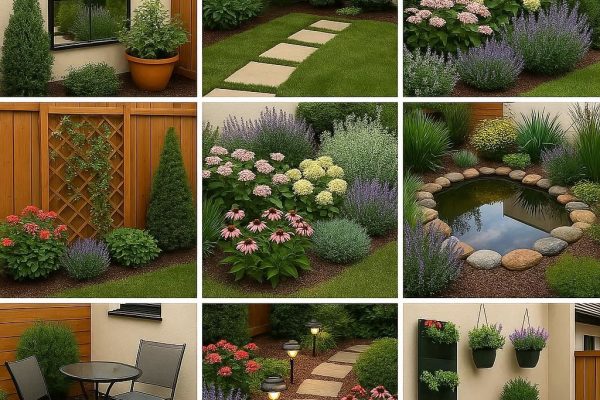
- Pathways: Use natural stone, gravel, or mulch paths to guide visitors through shaded areas.
- Seating Areas: Install benches or small nooks where one can relax and enjoy the cool shade.
- Garden Borders: Low stone walls or wooden edging define spaces and add formality.
- Raised Beds: Improve drainage and plant health while adding visual interest.
Hardscaping combined with lush plantings ensures a harmonious and inviting garden space.
7. Water Features and Garden Art
Water and art elements add life and tranquility:
- Small Ponds or Fountains: Reflective surfaces and gentle water sounds enhance a calming atmosphere.
- Bird Baths and Feeders: Encourage wildlife and add movement to shaded areas.
- Sculptures and Ornaments: Place discreet art pieces to create focal points and personality.
- Lighting: Soft LED lights or lanterns illuminate pathways and highlight plant textures.
These features transform your shade garden into a serene retreat, perfect for relaxation or meditation.
8. Maintenance Tips for Full Shade Gardens
Even low-light gardens need care to thrive:
- Watering: Shade gardens often need less water, but ensure consistent moisture for ferns and flowering plants.
- Mulching: Use organic mulch to retain soil moisture and improve soil health.
- Pruning: Remove dead foliage and maintain shape without over-thinning plants.
- Soil Improvement: Enrich soil with compost to support shade-loving plants and improve drainage.
Regular observation and gentle maintenance keep your garden lush and healthy year-round.
9. Conclusion
Designing a full shade garden is an opportunity to transform neglected dark areas into peaceful, vibrant retreats. By selecting the right plants, layering textures, incorporating color, and adding hardscaping and water features, even the shadiest corner can become a focal point of your backyard. Thoughtful planning and consistent care ensure your shade garden is not only beautiful but also sustainable, providing a cool, tranquil space to enjoy nature any time of the year.