Table of Contents
- Introduction
- Why Choose Container Gardening for Edibles
- Selecting Containers for Vegetables and Herbs
- Choosing Soil and Fertilizer
- Best Vegetables for Container Gardening
- Best Herbs for Container Gardening
- Placement and Sunlight Requirements
- Watering and Maintenance Tips
- Creative Container Gardening Ideas
- Conclusion
1. Introduction
Edible container gardening is a perfect solution for gardeners with limited space, such as balconies, patios, or small yards. Growing vegetables and herbs in pots allows you to enjoy fresh, homegrown produce without the need for a traditional garden bed. Container gardening is not only practical but also visually appealing, as colorful pots and lush greenery can enhance any outdoor space. With the right containers, soil, and plant choices, you can cultivate a productive and attractive edible garden year-round.
2. Why Choose Container Gardening for Edibles
Container gardening offers several advantages for growing vegetables and herbs:
- Space Efficiency: Ideal for apartments, patios, or areas with poor soil.
- Mobility: Move pots to follow the sun or protect plants from harsh weather.
- Pest and Disease Control: Containers reduce exposure to garden pests and soil-borne diseases.
- Accessibility: Easier to reach and manage plants, reducing bending and heavy digging.
3. Selecting Containers for Vegetables and Herbs
Choosing the right container is crucial for successful growth:
- Material Options: Terracotta, plastic, ceramic, and wooden containers all work well. Terracotta is porous and breathable, plastic retains moisture, and wooden boxes provide insulation.
- Size Matters: Deeper containers (at least 10-12 inches for most vegetables) allow roots to develop fully.
- Drainage: Ensure containers have drainage holes to prevent waterlogging.
- Aesthetics: Pick containers that complement your outdoor space while remaining functional.

4. Choosing Soil and Fertilizer
Healthy soil is the foundation of container gardening:
- Use High-Quality Potting Mix: Avoid garden soil, which can compact and hinder root growth.
- Fertilizer Options: Slow-release fertilizers work well for container vegetables, while liquid fertilizers can boost growth during the season.
- Organic Amendments: Compost or worm castings improve soil fertility naturally.
- Soil Moisture: Containers dry out faster than garden beds, so a moisture-retentive mix is essential.
5. Best Vegetables for Container Gardening
Certain vegetables thrive in containers due to their compact root systems:
- Tomatoes: Cherry and patio tomato varieties are ideal for pots.
- Peppers: Bell peppers and chili peppers grow well in medium-sized containers.
- Lettuce and Spinach: Fast-growing leafy greens can be harvested continuously.
- Radishes and Carrots: Select shorter root varieties suitable for shallow pots.
- Bush Beans: Compact bush varieties produce high yields in limited space.
6. Best Herbs for Container Gardening
Herbs are excellent choices for containers, providing fresh flavor year-round:
- Basil: Thrives in sunny spots and pairs well with tomatoes.
- Parsley: Can tolerate partial shade and grows densely in pots.
- Thyme and Oregano: Hardy perennials that require minimal maintenance.
- Mint: Best grown in separate containers due to aggressive spreading.
- Rosemary: Prefers well-drained soil and full sun, perfect for large pots.
7. Placement and Sunlight Requirements
Sunlight is critical for healthy vegetable and herb growth:
- Most vegetables need 6-8 hours of direct sunlight daily.
- Herbs like parsley and mint can tolerate partial shade.
- Arrange containers to maximize sunlight exposure, rotating pots if necessary.
- Consider vertical gardening or stacking pots to optimize space.
8. Watering and Maintenance Tips
Proper watering and care are essential for container success:
- Consistent Moisture: Containers dry faster, so check soil daily, especially in hot weather.
- Mulching: A thin layer of mulch helps retain soil moisture.
- Pruning and Harvesting: Regularly pinch herbs and harvest vegetables to encourage new growth.
- Pest Management: Inspect plants for aphids, spider mites, or fungal issues and treat promptly.
9. Creative Container Gardening Ideas
Enhance your edible garden with creative designs:
- Mixed Planting: Combine herbs and vegetables in the same container for an attractive arrangement.
- Hanging Containers: Use hanging baskets for strawberries, cherry tomatoes, or trailing herbs.
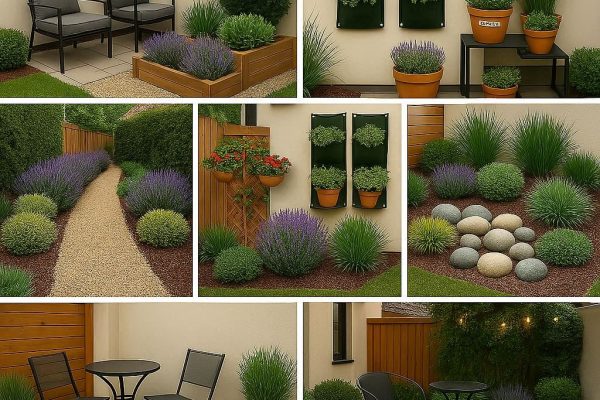
- Vertical Gardens: Wall-mounted planters or tiered shelves maximize space and visual interest.
- Decorative Pots: Use colorful or patterned containers to brighten patios or balconies.
- Companion Planting: Pair compatible plants, such as basil with tomatoes, to improve growth and flavor.
10. Conclusion
Edible container gardening allows anyone to grow fresh vegetables and herbs, regardless of space limitations. By selecting the right containers, soil, and plant varieties, and by providing adequate sunlight, water, and care, you can enjoy a productive and beautiful garden on your patio, balcony, or small backyard. With creative designs and thoughtful plant combinations, container gardening becomes both practical and visually stunning, offering a sustainable way to enjoy fresh, homegrown produce year-round.