Table of Contents
- Introduction
- Benefits of a Raised Garden Bed
- Choosing the Right Location
- Selecting Materials
- Determining the Size and Shape
- Preparing the Ground
- Building Your Raised Garden Bed
- Filling and Planting
- Maintenance Tips
- Conclusion
1. Introduction
Raised garden beds are an excellent way for beginners and experienced gardeners alike to grow vegetables, herbs, and flowers efficiently. They provide better drainage, improve soil quality, and can make gardening easier on the back and knees. Whether you have a small backyard or a spacious garden, building a raised garden bed can significantly enhance your gardening experience. This guide will take you step by step through the process, helping you create a productive and beautiful garden space.
2. Benefits of a Raised Garden Bed
Raised garden beds offer several advantages:
- Improved Soil Quality: You control the soil composition, ensuring nutrient-rich growing conditions.
- Better Drainage: Elevated beds prevent waterlogging, which is ideal for plant health.
- Weed and Pest Control: Raised beds make it easier to manage weeds and reduce exposure to pests.
- Extended Growing Season: The soil warms faster in spring, allowing for earlier planting.
- Accessibility: Elevated beds can be easier to tend, especially for gardeners with limited mobility.
3. Choosing the Right Location
Selecting the right location is crucial for your garden’s success:
- Sunlight: Most vegetables require at least 6–8 hours of direct sunlight daily.
- Accessibility: Place your bed near a water source and in an area that’s easy to reach.
- Drainage: Avoid low-lying areas that may accumulate water.
- Wind Protection: Consider a spot shielded from strong winds, or add windbreaks like shrubs or fences.
4. Selecting Materials
Materials can affect durability, appearance, and cost:
- Wood: Cedar and redwood are naturally resistant to rot and safe for vegetables.
- Recycled Wood or Pallets: Affordable, but make sure they’re untreated and free from chemicals.
- Stone or Brick: Offers long-lasting durability and a decorative touch.
- Concrete Blocks: Inexpensive and easy to assemble, ideal for larger beds.
- Composite Materials: Weather-resistant and low maintenance, but can be more expensive.
5. Determining the Size and Shape
Raised beds come in various sizes and shapes. Consider these guidelines:
- Width: 3–4 feet is ideal, allowing easy access from both sides.
- Length: Can vary based on available space; 6–12 feet is common.
- Height: 12–24 inches is suitable for most crops; deeper beds are better for root vegetables.
- Shape: Rectangular beds are easiest to manage, but you can use square, L-shaped, or circular designs depending on space constraints.
6. Preparing the Ground
Before assembling your bed, prepare the ground:
- Clear Vegetation: Remove grass, weeds, and debris from the area.
- Level the Ground: Flatten uneven spots for a stable foundation.
- Optional Liner: Lay cardboard or landscaping fabric to suppress weeds while allowing drainage.
- Soil Amendment: Mix garden soil with compost for optimal growing conditions.
7. Building Your Raised Garden Bed
Follow these steps to assemble your bed:
- Assemble the Frame: Cut wood or arrange blocks to the desired dimensions and secure corners with screws, brackets, or mortar (for stone/brick).
- Check Level: Ensure the frame is level to prevent uneven water distribution.
- Add Support (Optional): Use stakes or corner braces for taller beds to prevent bowing.
- Consider Irrigation: Plan for drip lines or soaker hoses to simplify watering.
8. Filling and Planting
Once the bed is constructed:
- Fill the Bed: Use a mix of topsoil, compost, and organic matter. Avoid using subsoil, as it’s less fertile.
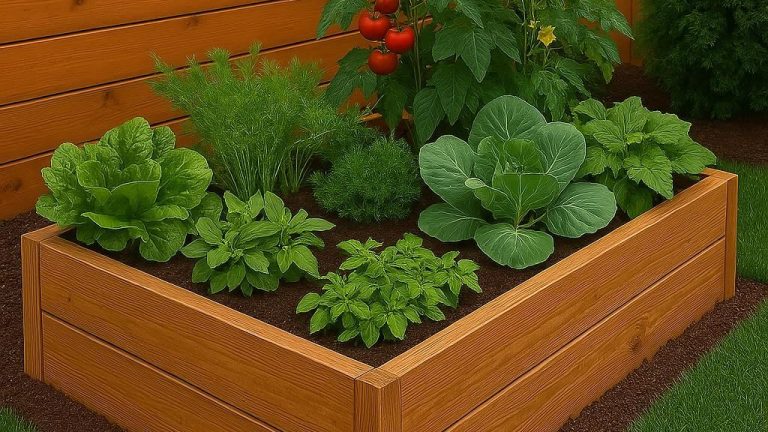
- Planting Layout: Group plants by sunlight needs and height. Taller plants should be placed at the back or center.
- Companion Planting: Pair compatible plants to enhance growth and reduce pests.
- Mulching: Apply mulch to retain moisture, suppress weeds, and regulate soil temperature.
9. Maintenance Tips
To keep your raised garden bed productive:
- Regular Watering: Check soil moisture frequently, especially during hot months.
- Fertilizing: Add organic fertilizers or compost periodically to maintain nutrient levels.
- Weeding: Remove weeds promptly to prevent competition with your plants.
- Pest Management: Use natural deterrents like neem oil or introduce beneficial insects.
- Seasonal Care: Protect beds in winter with row covers or cold frames if needed.
10. Conclusion
Building a raised garden bed is an excellent project for gardeners of all levels. With proper planning, the right materials, and careful maintenance, a raised bed can provide a productive, attractive, and manageable garden space. Following this step-by-step guide ensures your raised garden bed will thrive, giving you fresh produce and a beautiful backyard oasis for years to come.