Table of Contents
- Introduction
- Core Principles of Scandinavian Design
- Color Palette and Lighting
- Furniture and Layout
- Natural Materials and Textures
- Minimalist Decor and Accessories
- Combining Functionality with Aesthetics
- Tips to Achieve Scandinavian Style on a Budget
- Conclusion
1. Introduction
Scandinavian design style is renowned for its simplicity, functionality, and elegance. Originating from the Nordic countries, it emphasizes clean lines, minimal clutter, and natural light, creating spaces that are both practical and aesthetically pleasing. Whether you’re redecorating your living room, bedroom, or home office, Scandinavian design can bring a sense of calm and harmony into your home.
Scandinavian interiors are not only visually appealing but also highly functional, making them perfect for modern living. The focus on neutral tones, natural materials, and well-thought-out layouts creates spaces that feel open, airy, and inviting.
2. Core Principles of Scandinavian Design
Understanding the core principles is the first step in achieving an authentic Scandinavian look:
- Simplicity: Less is more. Avoid overcrowding your space with furniture or decor.
- Functionality: Every item should serve a purpose.
- Light and Airy Spaces: Maximize natural light and keep interiors uncluttered.
- Connection with Nature: Incorporate natural materials and greenery.
- Neutral Base with Accent Hues: Use whites, creams, and grays as a canvas and add subtle pops of color.
These principles guide the overall aesthetic and help maintain a cohesive look throughout the home.
3. Color Palette and Lighting
Color and lighting are essential in achieving the Scandinavian aesthetic:
- Neutral Colors: Whites, soft grays, and beige dominate Scandinavian interiors, creating a clean and serene backdrop.
- Accent Colors: Soft blues, muted greens, or pastel pinks add subtle visual interest without overwhelming the space.
- Lighting: Maximize natural light during the day with sheer curtains or large windows. Use warm, cozy artificial lighting such as pendant lamps, floor lamps, and candles for the evenings.
Proper lighting enhances the spacious and inviting atmosphere typical of Scandinavian homes.

4. Furniture and Layout
Scandinavian furniture is characterized by clean lines, minimal ornamentation, and functionality:
- Simple, Functional Pieces: Choose furniture with sleek shapes and hidden storage options.
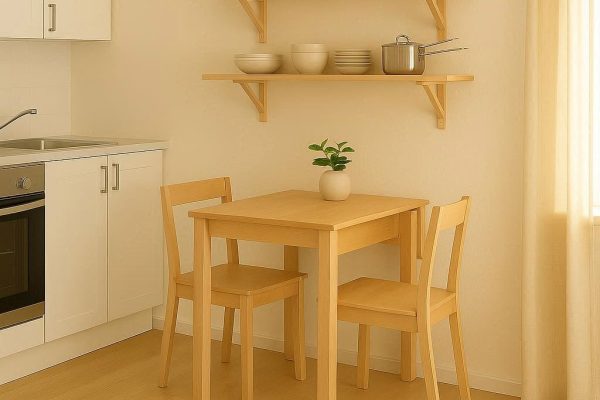
- Natural Wood: Light-colored woods like oak, pine, or birch are preferred.
- Open Layouts: Avoid overcrowding. Arrange furniture to create an open, airy feel and ensure smooth traffic flow.
- Multipurpose Items: Sofas with storage, extendable tables, and modular units are ideal for small spaces.
Furniture placement in Scandinavian interiors emphasizes both usability and visual harmony.
5. Natural Materials and Textures
A key feature of Scandinavian design is the use of natural materials:
- Wood: Flooring, furniture, and decorative items often feature light wood tones.
- Textiles: Incorporate wool, linen, and cotton through rugs, throws, and cushions for warmth and comfort.
- Stone and Ceramics: Use stone countertops, ceramic vases, and subtle decorative pieces to add texture.
- Plants: Bring greenery indoors to soften the minimalism and connect with nature.
Natural materials add warmth and tactility, preventing the space from feeling sterile.
6. Minimalist Decor and Accessories
Minimalism is at the heart of Scandinavian design:
- Decluttered Spaces: Keep only essential items on display.
- Functional Accessories: Decorative items should also serve a purpose, such as storage baskets or stylish trays.
- Art and Prints: Choose simple, geometric, or nature-inspired art in neutral frames.
- Textural Variation: Use different textures to add depth without overcrowding the room.
Decor should complement the space rather than dominate it.
7. Combining Functionality with Aesthetics
Scandinavian design is about balancing beauty and practicality:
- Ergonomic Furniture: Comfortable seating and functional workspaces are essential.
- Smart Storage Solutions: Built-in shelving, hidden drawers, and modular units keep clutter out of sight.
- Cozy Corners: Incorporate reading nooks or window seats for comfort without compromising minimalism.
- Sustainable Choices: Eco-friendly materials and energy-efficient lighting reflect Scandinavian values.
The result is a home that looks elegant while supporting a comfortable, efficient lifestyle.
8. Tips to Achieve Scandinavian Style on a Budget
You don’t need to spend a fortune to adopt Scandinavian design principles:
- DIY Furniture Updates: Paint or sand existing furniture in light wood tones.
- Thrifted Finds: Look for second-hand tables, chairs, and lamps with clean lines.
- Textiles: Affordable throws, rugs, and cushions can mimic Scandinavian warmth.
- Plants: Potted plants and herbs add natural beauty without costing much.
- Decluttering: Simplifying your space is free and instantly improves the Scandinavian look.
Budget-friendly adjustments can still achieve the iconic minimalist elegance.
9. Conclusion
Scandinavian design offers a perfect balance of style, simplicity, and functionality. By focusing on natural light, neutral colors, minimalistic furniture, and cozy textures, you can transform any interior into a serene and welcoming space. Whether you are redecorating your entire home or just updating a room, following the key principles of Scandinavian design will create a harmonious environment that is both practical and aesthetically pleasing.