Table of Contents
- Introduction
- Benefits of a Year-Round Color Calendar
- Assessing Your Garden Space
- Choosing Plants for Continuous Bloom
- Seasonal Planting Strategies
- Planning for Color Transitions
- Combining Foliage, Flowers, and Texture
- Creating Your Calendar Template
- Maintenance Tips for Year-Round Color
- Conclusion
1. Introduction
A vibrant garden throughout the year is achievable with thoughtful planning and a clear strategy. By creating a year-round garden color calendar, gardeners can ensure that their outdoor spaces remain visually appealing across seasons. This guide provides a step-by-step approach to selecting, planting, and maintaining plants to achieve continuous blooms, seasonal harmony, and diverse textures.
2. Benefits of a Year-Round Color Calendar
Planning your garden colors in advance offers multiple advantages:
- Ensures continuous visual interest and seasonal appeal.
- Helps in selecting plants that thrive in your climate and soil.
- Reduces trial-and-error planting, saving time and money.
- Encourages diversity in plant types, promoting healthier ecosystems.
By anticipating blooms and foliage changes, gardeners can create a dynamic and engaging garden all year long.
3. Assessing Your Garden Space
Before choosing plants, understand your garden’s unique characteristics:
- Sun Exposure: Identify sunny, partial shade, and shady areas.
- Soil Type: Check soil composition, drainage, and pH levels.
- Microclimates: Consider areas affected by wind, frost pockets, or heat.
- Available Space: Measure beds, borders, and vertical planting zones.
A detailed assessment ensures that plants are placed in optimal conditions for healthy growth and vibrant color.
4. Choosing Plants for Continuous Bloom
Select plants that bloom at different times to maintain year-round color:
- Spring: Tulips, Daffodils, Hyacinths, Primroses
- Summer: Roses, Lavender, Coneflowers, Marigolds
- Fall: Chrysanthemums, Asters, Sedums, Japanese Anemones
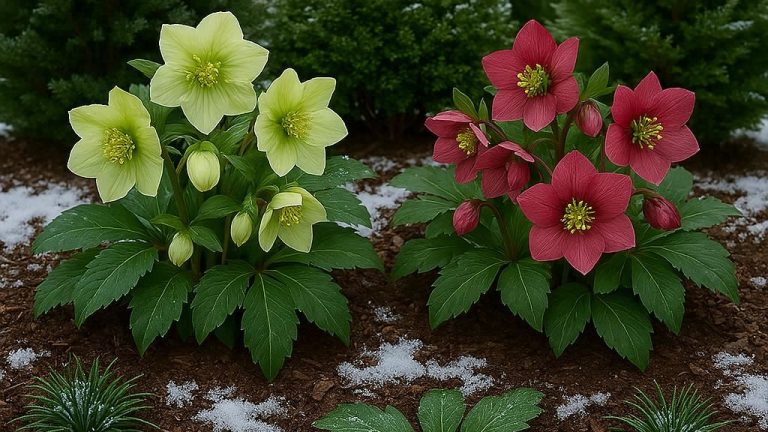
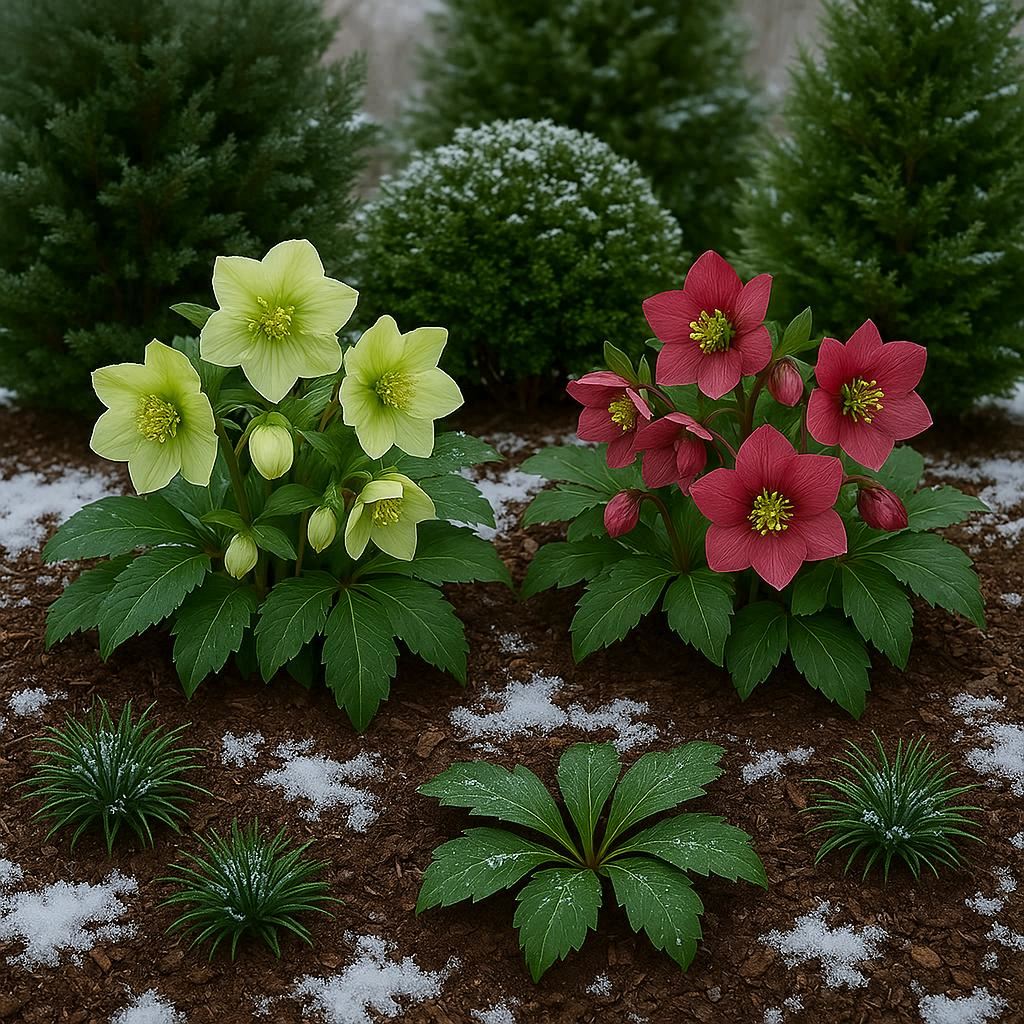
- Winter: Hellebores, Camellias, Evergreens with colorful foliage or berries
Mixing perennials and annuals allows for consistent coverage, while flowering shrubs and small trees can provide structure and seasonal highlights.
5. Seasonal Planting Strategies
Strategically planting for each season ensures a steady flow of color:
- Succession Planting: Stagger plantings of the same species to extend bloom periods.
- Layering: Combine groundcovers, mid-height plants, and tall shrubs for depth.
- Overlapping Blooms: Select varieties that bloom just before or after neighboring plants fade.
- Container Gardening: Use pots to fill gaps or add seasonal interest in key areas.
Seasonal planning reduces barren spots and maintains garden vitality.
6. Planning for Color Transitions
Smooth transitions between seasons create harmony and visual flow:
- Complementary Colors: Use color theory to blend neighboring plants.
- Foliage Focus: Choose plants with vibrant leaves, berries, or stems for off-bloom periods.
- Gradation of Height and Texture: Layer plants of varying sizes for natural rhythm.
- Accent Plants: Introduce bold colors or exotic foliage strategically to draw attention.
Well-planned transitions make your garden visually appealing even when flowers are not in bloom.
7. Combining Foliage, Flowers, and Texture
A balanced garden includes more than just flower color:
- Evergreen Shrubs: Provide year-round structure and backdrop.
- Ornamental Grasses: Add movement and texture during all seasons.
- Variegated Leaves: Introduce subtle color contrasts.
- Seasonal Accessories: Decorative stones, garden art, and mulch add finishing touches.
Diverse textures and foliage colors complement flowering plants and enhance garden aesthetics.
8. Creating Your Calendar Template
Organize your planting plan into a visual calendar:
- Month-by-Month Chart: List which plants bloom or show interest each month.
- Color Coding: Assign colors to each plant for quick reference.
- Planting Notes: Include watering, pruning, and fertilization schedules.
- Zone Adaptation: Adjust for local climate or microclimates within your garden.
A clear template simplifies planting, maintenance, and garden management.
9. Maintenance Tips for Year-Round Color
Regular care ensures your color calendar stays on track:
- Pruning: Remove dead flowers and shape plants for continued blooms.
- Fertilizing: Apply seasonal fertilizers suited to each plant type.
- Watering: Monitor soil moisture, adjusting for rainfall and seasonal needs.
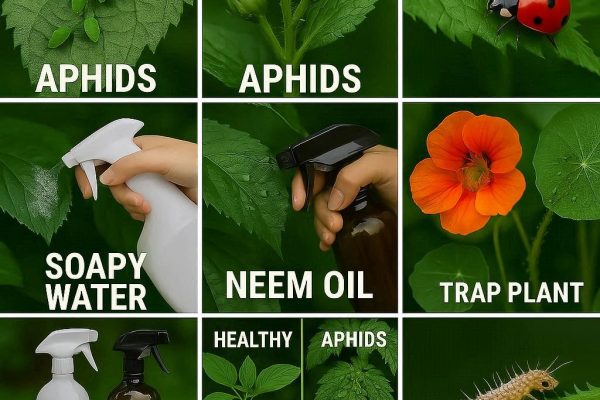
- Pest Management: Inspect regularly and treat early to prevent infestations.
- Soil Health: Rotate plants and amend soil to maintain fertility.
Consistent maintenance is key to achieving vibrant, long-lasting garden colors.
10. Conclusion
Creating a year-round garden color calendar transforms your outdoor space into a dynamic, visually appealing haven throughout the year. By assessing your garden, selecting plants for continuous bloom, planning seasonal transitions, and combining textures and foliage, you can enjoy an ever-changing, harmonious garden. Regular maintenance and careful planning make it possible to achieve a vibrant and sustainable garden that delights all year long.