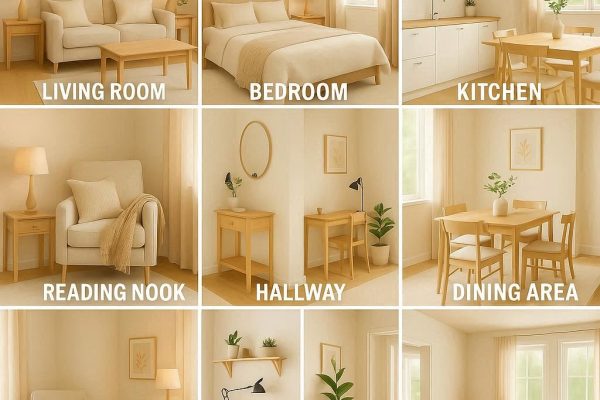
Your home is your sanctuary, a reflection of your personality and a backdrop to your daily life. While trends come and go, great home decor is about creating a space that feels both beautiful and uniquely yours—a place that is functional, comfortable, and inspires you every day. Whether you’re starting from scratch or looking to refresh a single room, mastering a few fundamental design principles can unlock your home’s full potential. This guide explores seven timeless ideas to help you cultivate your style, from defining your aesthetic to adding those all-important finishing layers that make a house a home.
Article Directory:
- Define Your Style: The Foundation of Cohesive Decor
- Master the Art of a Cohesive Color Palette
- Layer Lighting for Atmosphere and Function
- Incorporate Texture for Depth and Comfort
- Curate and Display Personal Collections
- Embrace the Power of Mirrors and Plants
- Focus on Functional and Stylish Storage
1. Define Your Style: The Foundation of Cohesive Decor
Before you buy a single piece of furniture, take time to discover what you’re drawn to. A cohesive space begins with a clear direction. Your style doesn’t have to fit one label; it’s often a blend that becomes uniquely yours.
- How to Find It: Create an inspiration board on Pinterest or save images from magazines. Look for common threads—are you drawn to clean lines, rustic materials, bold colors, or neutral tones?
- Popular Styles to Explore:
- Modern Farmhouse: Combines clean lines with rustic, reclaimed wood and cozy textiles.
- Scandinavian: Focuses on light, airy spaces, functionality, and natural elements (hygge).
- Mid-Century Modern: Features organic shapes, sleek lines, and a mix of traditional and non-traditional materials.
- Coastal: Inspired by the beach, using light colors, natural textures like jute and rattan, and a relaxed vibe.
2. Master the Art of a Cohesive Color Palette
Color is the most powerful tool in your design toolkit. It sets the mood, defines spaces, and ties a room together. A well-chosen palette creates harmony and flow throughout your home.
- The 60-30-10 Rule: A classic decorating rule for balance.
- 60% of a room should be a dominant color (usually walls, large area rugs, sofas).
- 30% should be a secondary color (upholstery, curtains, accent chairs).
- 10% should be an accent color (throw pillows, artwork, decor items).
- Start with Neutrals: Use shades of white, beige, gray, or cream as your base (your 60%). They are timeless and flexible.
- Add Color Thoughtfully: Choose colors you truly love for your 30% and 10%. Draw inspiration from a favorite piece of art, a rug, or even the natural landscape outside your window.

3. Layer Lighting for Atmosphere and Function
Lighting is often overlooked, but it is essential for creating ambiance and making a space functional. Think of lighting in three layers to build depth and interest.
- Ambient Lighting: This is the general, overall illumination of a room (e.g., overhead fixtures, recessed lighting).
- Task Lighting: Provides focused light for specific activities (e.g., table lamps for reading, under-cabinet lights in the kitchen, a pendant light over a dining table).
- Accent Lighting: Used to highlight architectural features or decor (e.g., picture lights, track lighting on artwork, LED strips on shelves).
- Pro Tip: Always put lights on dimmers! They are an inexpensive upgrade that gives you ultimate control over a room’s mood.
4. Incorporate Texture for Depth and Comfort
While color defines a space, texture makes it feel inviting and lived-in. A room without texture can feel flat and sterile, even if the colors are perfect.
- Mix and Match: Combine different textures to engage the senses. Pair smooth leather with a nubby wool throw, slick marble with rough-hewn wood, and soft velvet with sleek metal.
- Textiles are Key: Incorporate texture through throw pillows, blankets, area rugs, curtains, and upholstery. A chunky knit blanket or a silk pillow can add immense tactile interest.
- Natural Elements: Wood, stone, jute, rattan, and woven baskets bring organic texture that instantly warms up a space.
5. Curate and Display Personal Collections
Your home should tell your story. Displaying items that have personal meaning is what separates a generic showroom from a home filled with character and charm.
- Edit and Group: Avoid clutter by editing your collections. Display like items together in groups of odd numbers (3s or 5s) for maximum impact. A gallery wall of family photos in matching frames, a shelf of vintage books, or a grouping of ceramic vases can become a stunning focal point.
- Vary Height and Scale: When styling shelves or a mantel, mix tall items (vases, candlesticks) with shorter, horizontal objects (books, boxes) to create visual interest.

6. Embrace the Power of Mirrors and Plants
Two of the most effective and affordable decor elements are mirrors and plants. Every well-decorated room can benefit from both.
- Mirrors: They reflect light, making a room feel brighter and more spacious. Place a mirror opposite a window to double the natural light and the view. An ornate mirror can act as a piece of art.
- Plants: They bring life, color, and a vital organic shape into your home. They improve air quality and add a sense of tranquility. Start with easy-care varieties like Snake Plants, Pothos, or ZZ plants.
7. Focus on Functional and Stylish Storage
Clutter is the enemy of good design. Smart storage solutions that are also beautiful are key to maintaining a serene and stylish environment.
- Dual-Purpose Furniture: Choose pieces that offer hidden storage, such as an ottoman with a lift-up lid, a bed with drawers underneath, or a coffee table with shelves or baskets.
- Beautiful Containers: Use decorative baskets, boxes, and trays to corral everyday items like remotes, magazines, and throws. This keeps surfaces tidy while adding to the decor.
- Vertical Space: Don’t forget walls! Floating shelves, wall-mounted racks, and tall cabinets utilize often-wasted space and keep floors clear.
Conclusion: Decorate with Intention and Joy
Creating a home you love is a journey, not a destination. It evolves with you. Start by defining what makes you feel comfortable and inspired. Invest in key foundational pieces you truly love, and don’t be afraid to experiment with color, texture, and personal artifacts. Remember, the most beautiful homes are not those that slavishly follow trends, but those that are filled with intention, personality, and the stories of the people who live there. By embracing these core principles—from mastering lighting layers to curating personal collections—you can transform any space into a authentic and welcoming reflection of you.