Table of Contents
- Introduction
- Understanding Common Houseplant Pests
- How to Identify Spider Mites
- How to Identify Mealybugs
- How to Identify Aphids
- Treatment Methods for Spider Mites
- Treatment Methods for Mealybugs
- Treatment Methods for Aphids
- Prevention and Ongoing Care
- Conclusion
1. Introduction
Houseplants bring beauty, air purification, and a sense of calm into our homes. However, they are not immune to pests. Spider mites, mealybugs, and aphids are among the most common invaders that can damage leaves, stems, and overall plant health. Recognizing early signs of infestation and applying proper treatment can save your plants and keep them thriving. This guide will help you identify, treat, and prevent these common houseplant pests effectively.
2. Understanding Common Houseplant Pests
Houseplant pests feed on the sap, leaves, and stems of indoor plants. They can stunt growth, discolor foliage, and in severe cases, kill the plant. Understanding their life cycles and habits is key to managing infestations:
- Spider Mites: Tiny, spider-like creatures that thrive in dry, warm environments.
- Mealybugs: Soft-bodied insects covered in white, cotton-like wax.
- Aphids: Small, pear-shaped insects that feed in clusters on new growth.
3. How to Identify Spider Mites
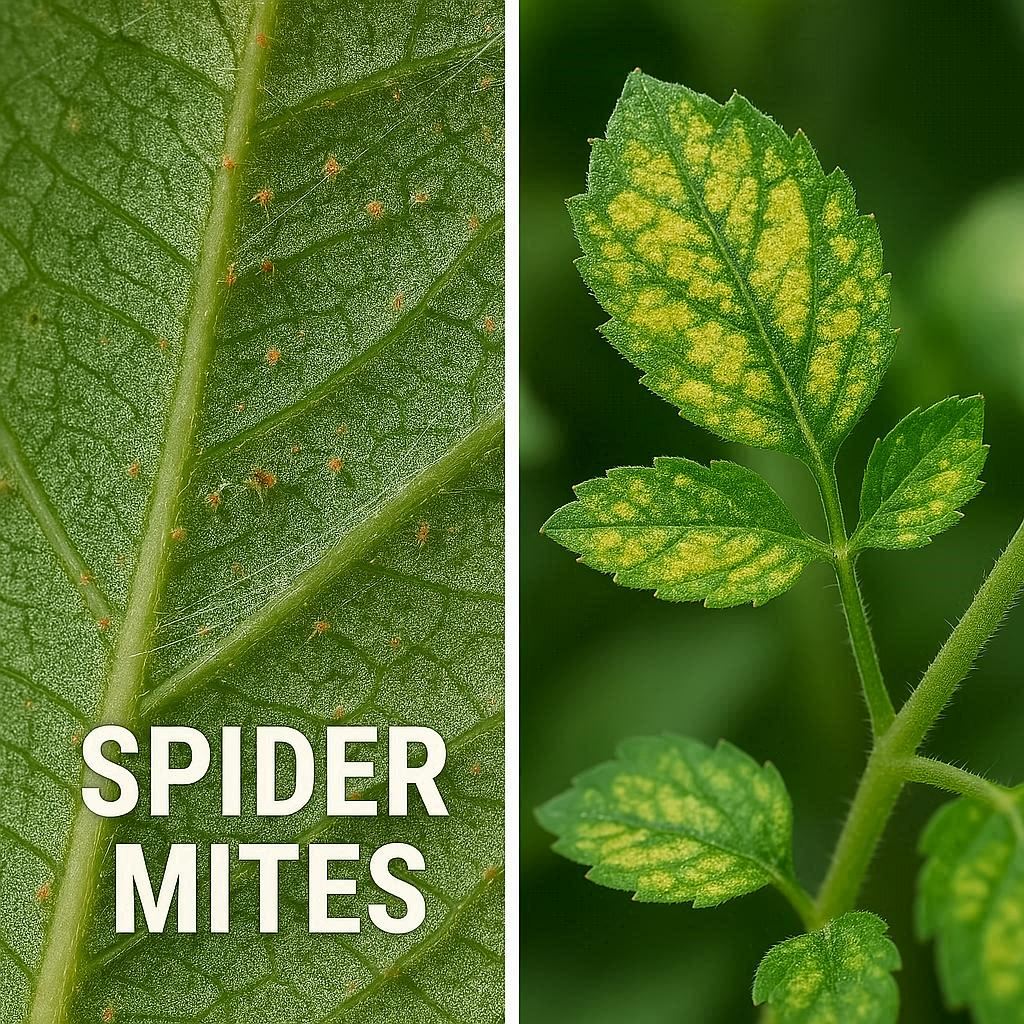
Spider mites are microscopic, making them difficult to detect at first. Signs include:
- Fine webbing on the underside of leaves or between stems.
- Yellowing, speckled, or bronzed leaves.
- Leaves that dry out or fall prematurely.
Using a magnifying glass, you may notice tiny red, brown, or green dots moving on the leaf surface. Spider mites reproduce rapidly, so early detection is crucial.
4. How to Identify Mealybugs
Mealybugs are easier to spot due to their distinctive white, fluffy appearance:
- White cotton-like clusters around leaf joints, stems, or roots.
- Sticky residue (honeydew) on leaves or pots.
- Stunted growth and yellowing leaves due to sap extraction.
Mealybugs often hide in crevices, making it important to inspect the plant thoroughly.
5. How to Identify Aphids
Aphids are small but visible to the naked eye, usually found on new growth:
- Tiny green, black, or yellow insects feeding on young leaves and buds.
- Curling or distorted leaves caused by sap loss.
- Sticky honeydew and possible sooty mold development.
Aphids reproduce quickly and may attract ants due to the honeydew they secrete.
6. Treatment Methods for Spider Mites
Spider mites are resilient, but several strategies can help:
- Physical Removal: Spray leaves with a strong stream of water to dislodge mites.
- Natural Predators: Introduce ladybugs or predatory mites in greenhouses or outdoor environments.
- Insecticidal Soap: Apply diluted soap solution to leaves, ensuring good coverage of the undersides.
- Neem Oil: A natural pesticide that disrupts mite reproduction and feeding.
- Environmental Control: Increase humidity and regularly clean leaves to discourage mite proliferation.
7. Treatment Methods for Mealybugs
Mealybugs can be eliminated through careful removal and treatment:
- Manual Removal: Use cotton swabs dipped in rubbing alcohol to wipe visible mealybugs.
- Pruning: Remove heavily infested plant parts to prevent spreading.
- Insecticidal Soap or Neem Oil: Spray affected areas thoroughly.
- Systemic Insecticides: For severe infestations, systemic treatments absorbed by the plant can control mealybugs effectively.
8. Treatment Methods for Aphids
Aphids are easier to control due to their size and clustering:
- Water Spray: Knock aphids off plants with a strong water spray.
- Neem Oil or Soap Sprays: Coat the insects thoroughly to disrupt their feeding.
- Introduce Beneficial Insects: Ladybugs and lacewings are natural predators.
- Pruning: Remove heavily infested shoots or leaves to reduce population.
9. Prevention and Ongoing Care
Preventing pest infestations is as important as treating them:
- Inspect new plants before introducing them indoors.
- Keep plants healthy with proper watering, light, and nutrition.
- Avoid overcrowding and ensure good air circulation.
- Regularly wipe leaves and monitor for early signs of pests.
- Rotate plants occasionally to reduce pest build-up in specific areas.
10. Conclusion
Spider mites, mealybugs, and aphids are common houseplant pests that can cause significant damage if left untreated. By identifying these pests early, using appropriate treatment methods, and maintaining a preventive care routine, you can protect your plants and ensure healthy growth. Healthy, vibrant houseplants not only enhance indoor spaces but also bring the benefits of natural beauty and air purification into your home.