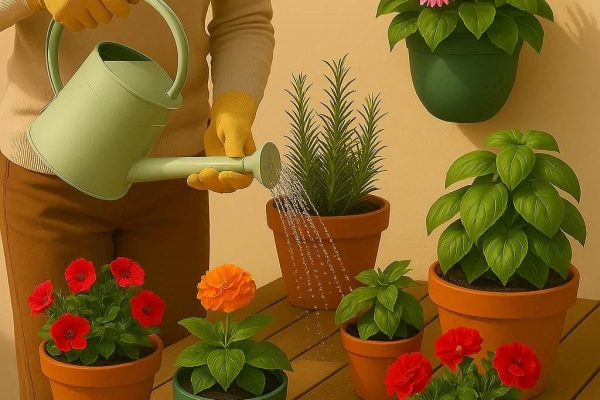
Dreaming of a beautiful yard but don’t know where to start? You’re not alone. Landscape design can seem daunting, but it’s simply the art of arranging your outdoor space to be both beautiful and functional. This guide will provide the inspiration and practical ideas you need to transform your garden into a personal oasis. We’ll explore key concepts like creating layers, defining spaces, and choosing the right plants for a stunning, low-maintenance landscape.
Article Directory:
- Create Defined Garden Rooms
- Master Plant Layering for Lushness
- Incorporate Water-Wise Xeriscaping
- Plan for Four-Season Interest
- Design Inviting Pathways and Walkways
- Add Ambient Outdoor Lighting
- Utilize Vertical Space in Small Gardens
1. Create Defined Garden Rooms
One of the most effective landscape design tricks is to divide your yard into functional areas, or “garden rooms.” This approach makes a space feel larger and more intriguing. Use low hedges, trellises, pergolas, or even strategic plantings to create walls and ceilings for each room. For instance, you might have a dining room on a patio, a lounging room with a fire pit, and a hidden reading nook. This design strategy not only adds structure but also creates a sense of discovery and privacy.

2. Master Plant Layering for Lushness
A flat, one-dimensional garden is forgettable. The pros create depth and volume by layering plants in three tiers: ground cover, mid-height, and canopy. Start with low-growing plants like creeping thyme or sedum at the front of a border. Add mid-height ornamental grasses and perennials like salvia or echinacea in the middle. Finally, place taller shrubs and small trees at the back. This technique ensures your garden feels full and lush while allowing every plant to be seen.
3. Incorporate Water-Wise Xeriscaping
Embrace sustainability with xeriscaping—landscaping that reduces or eliminates the need for supplemental water. This doesn’t mean a yard full of rocks and cacti; it’s about choosing the right plants. Opt for native plants adapted to your local climate and drought-tolerant varieties like lavender, Russian sage, and ornamental grasses. These plants are often lower maintenance and better for local pollinators, making your garden both eco-friendly and beautiful.

4. Plan for Four-Season Interest
A great landscape design offers something beautiful in every season. Think beyond spring blooms. Incorporate plants with winter berries, striking seed heads, and evergreens for structure during the colder months. For fall color, consider trees like Japanese maples or shrubs like burning bush. Ornamental grasses left standing provide movement and texture in winter. This ensures your garden remains a dynamic and engaging space all year round.
5. Design Inviting Pathways and Walkways
Paths are the arteries of your garden, guiding movement and defining the flow of the space. Materials matter: gravel offers a casual, cottage-core feel, while flagstone or pavers create a more formal look. For a sense of mystery, design curves into your pathways to hide what’s around the next bend, encouraging exploration. A well-designed path is both a practical and aesthetic element that significantly enhances your landscape’s overall feel.
6. Add Ambient Outdoor Lighting
Don’t let the fun stop at sunset. Strategic outdoor lighting extends the usability of your garden and creates a magical atmosphere after dark. Focus on accent lighting to highlight a beautiful tree or architectural feature. Use soft path lights for safety and ambiance. For a truly enchanting effect, consider “moonlighting”—placing lights high in a tree to cast gentle, dappled shadows on the ground below, mimicking natural moonlight.

7. Utilize Vertical Space in Small Gardens
Limited on space? The solution is to grow upward. Vertical gardening is a perfect small garden idea. Use trellises, arbors, and wall planters to support climbing plants like clematis, jasmine, or even vegetables like pole beans. This draws the eye upward, making the space feel larger and turning unused vertical surfaces into living works of art. It’s a smart way to maximize every square inch of your garden.
Landscape design is an evolving process that should reflect your personal style and needs. Start small with one project, whether it’s building a new border with layered plantings or installing a simple gravel path. Observe how sunlight and wind move through your space, and choose plants that will thrive in those conditions. By embracing these core ideas—from creating structure with garden rooms to incorporating water-wise plants—you can develop a stunning, functional landscape that provides joy for years to come.