Table of Contents
- Introduction
- Assess Your Space and Conditions
- Decide What to Grow
- Plan Your Garden Layout
- Prepare the Soil
- Start Planting
- Watering and Fertilizing
- Maintenance and Pest Control
- Harvesting and Enjoying Your Garden
- Conclusion
1. Introduction
Starting a garden from scratch can feel overwhelming, but with proper planning and step-by-step guidance, anyone can create a thriving garden. A well-planned garden not only brings beauty to your outdoor space but also provides fresh produce, flowers, and a relaxing environment. By understanding your space, choosing suitable plants, and organizing your garden layout, you can maximize productivity while minimizing stress and effort.
2. Assess Your Space and Conditions
Before planting anything, take a close look at your garden area:
- Measure Your Space: Know the dimensions of your garden to plan pathways, planting beds, and seating areas.
- Observe Sunlight: Track sunlight exposure throughout the day; most vegetables and flowers need at least 6 hours of direct sunlight.
- Check Soil Type: Determine if your soil is sandy, clay, or loamy and test its pH level. This will guide plant selection and soil improvement strategies.
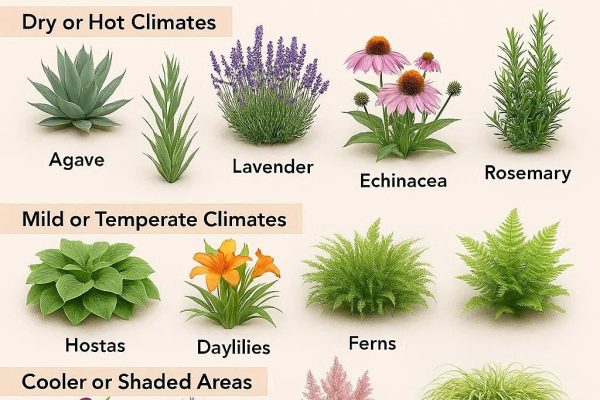
- Consider Climate: Choose plants that are suitable for your region’s temperature, rainfall, and growing season.
3. Decide What to Grow
Choosing the right plants is critical to a successful garden:
- Vegetables: Start with easy-to-grow varieties like lettuce, tomatoes, peppers, and radishes.
- Herbs: Basil, parsley, and rosemary are beginner-friendly and can be grown in containers.
- Flowers: Marigolds, sunflowers, and zinnias add color and attract beneficial insects.
- Companion Planting: Some plants grow better together; for example, tomatoes and basil enhance each other’s growth.
4. Plan Your Garden Layout
Organizing your garden ensures efficient use of space:
- Raised Beds or Rows: Raised beds improve drainage and soil quality, while rows are traditional and space-efficient.
- Paths and Access: Include walkways to reach all areas easily without compacting soil.
- Sunlight Zones: Place sun-loving plants in the brightest spots and shade-tolerant plants in less sunny areas.
- Vertical Gardening: Use trellises or hanging planters to save space and grow climbing plants.
5. Prepare the Soil
Healthy soil is the foundation of a productive garden:
- Clear the Area: Remove weeds, rocks, and debris before planting.
- Loosen the Soil: Use a garden fork or tiller to aerate the soil, improving root growth.
- Add Organic Matter: Compost, aged manure, or leaf mold enriches the soil with nutrients.
- Adjust pH if Needed: Lime can raise soil pH, while sulfur can lower it depending on plant requirements.
6. Start Planting
Follow these steps to ensure a successful planting process:
- Seed Starting: Begin seeds indoors for a head start on the growing season, especially for slow-germinating plants.
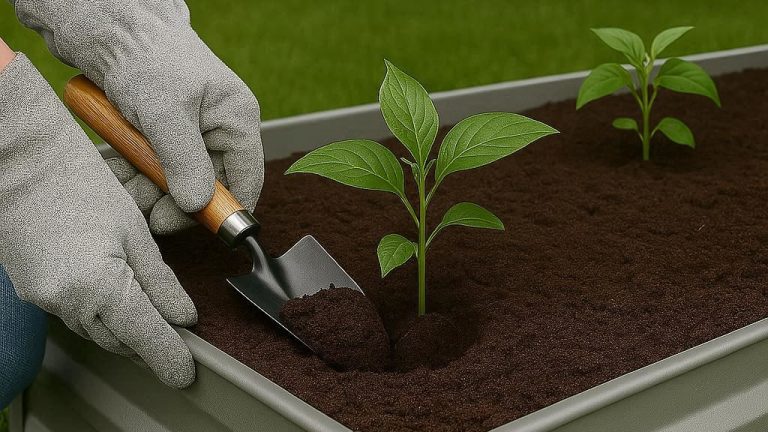
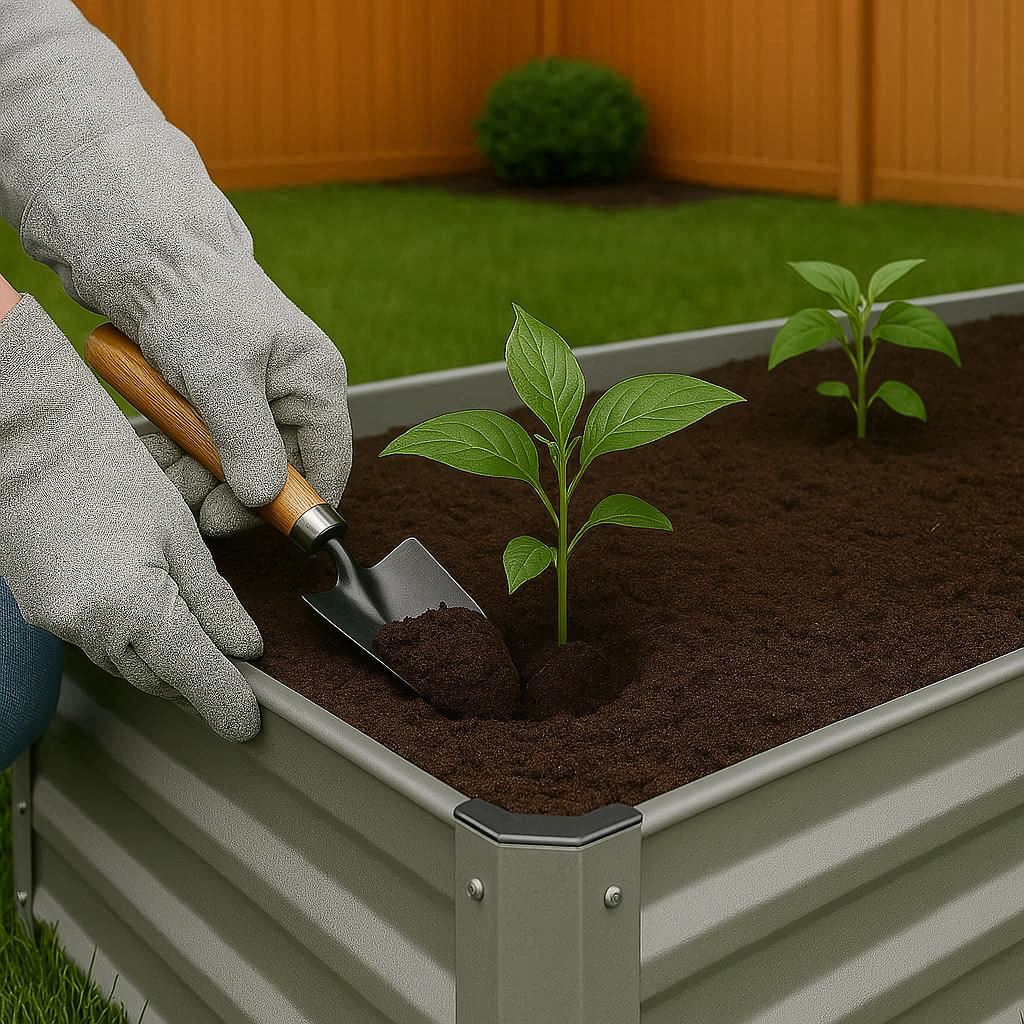
- Transplanting: Move seedlings to the garden once they are strong enough and soil temperatures are suitable.
- Spacing: Leave enough room between plants to allow airflow and reduce disease risk.
- Mulching: Apply mulch around plants to retain moisture, control weeds, and regulate soil temperature.
7. Watering and Fertilizing
Proper care ensures healthy growth:
- Watering Schedule: Water deeply and less frequently to encourage strong root development.
- Morning Watering: Water early in the day to reduce evaporation and prevent fungal growth.
- Fertilizing: Use organic fertilizers or compost tea to provide essential nutrients without harming the environment.
- Monitor Moisture: Check soil regularly to ensure it is neither too dry nor waterlogged.
8. Maintenance and Pest Control
Ongoing care keeps your garden productive:
- Weeding: Remove weeds promptly to reduce competition for nutrients.
- Pruning: Trim dead or overgrown branches to promote healthy growth.
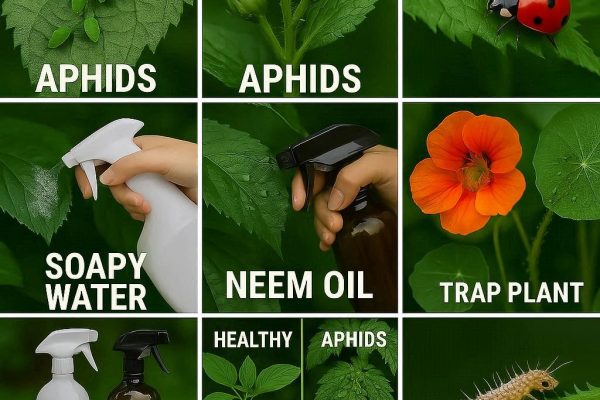
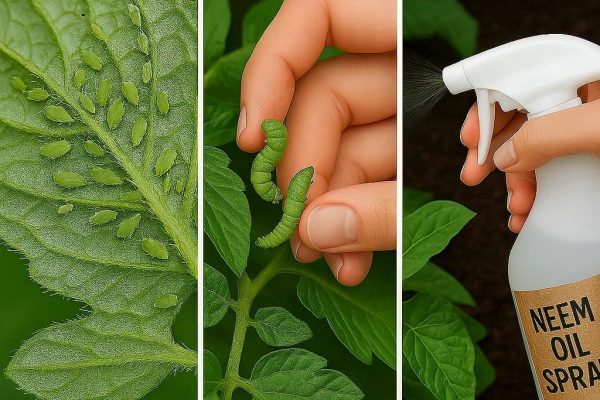
- Pest Management: Use natural solutions like neem oil, insecticidal soap, or companion plants to manage pests.
- Rotation and Diversity: Rotate crops yearly and diversify plant types to prevent soil depletion and pest buildup.
9. Harvesting and Enjoying Your Garden
Reap the rewards of your hard work:
- Know the Signs: Harvest vegetables and herbs when they are ripe but not overgrown.
- Succession Planting: Plant new crops as others are harvested to maintain a continuous yield.
- Flower Arrangements: Cut flowers for indoor bouquets to enjoy your garden indoors.
- Share and Preserve: Cook fresh produce, share with friends, or preserve by freezing or canning.
10. Conclusion
Starting a garden from scratch requires careful planning, patience, and consistent care, but the results are rewarding. By assessing your space, choosing suitable plants, preparing soil properly, and maintaining your garden, you can create a beautiful and productive outdoor space. With creativity, dedication, and the right approach, even beginners can enjoy the benefits of a thriving home garden.