Creating a beautiful garden that thrives with minimal water isn’t just eco-friendly—it’s also cost-effective and stylish. Drought-tolerant landscaping, also known as xeriscaping, focuses on using plants and design techniques that conserve water while maintaining visual appeal. Whether you live in a dry climate or simply want a low-maintenance yard, these xeriscaping ideas will inspire you to transform your garden into a sustainable oasis.
Table of Contents
- What Is Xeriscaping?
- Benefits of Drought-Tolerant Landscaping
- Planning Your Xeriscape Garden
- Top Drought-Tolerant Plants
- Design Ideas for a Modern Xeriscape
- DIY and Budget Tips
- Maintenance Tips
- Conclusion
What Is Xeriscaping?
Xeriscaping is a landscaping method that reduces or eliminates the need for supplemental water from irrigation. Originating from the Greek word xeros (meaning “dry”), xeriscaping promotes the use of drought-resistant plants, efficient irrigation, and soil improvement.
This approach doesn’t mean giving up on lush greenery. Instead, it encourages smart design and thoughtful plant selection to create stunning, resilient landscapes.
Benefits of Drought-Tolerant Landscaping
Switching to a xeriscape garden brings multiple advantages:
- Water Conservation: Reduce water use by up to 60–80% compared to traditional lawns.
- Lower Maintenance Costs: Save money on irrigation, fertilizers, and mowing.
- Eco-Friendly Appeal: Support local wildlife, including bees and butterflies, with native plant species.
- Aesthetic Flexibility: Combine textures, colors, and stones for a modern, minimalist, or desert look.
Planning Your Xeriscape Garden
A well-designed xeriscape begins with planning and thoughtful layout.
- Analyze Your Soil: Test the soil type and drainage. Add compost to improve structure.
- Group Plants by Water Needs: Place plants with similar water requirements together.
- Replace Lawn Areas: Minimize turf with decorative gravel, stepping stones, or mulch.
- Incorporate Hardscape Elements: Use rocks, pavers, or dry riverbeds to add structure and style.
- Install Drip Irrigation: A drip system ensures efficient watering directly to the roots.
Top Drought-Tolerant Plants
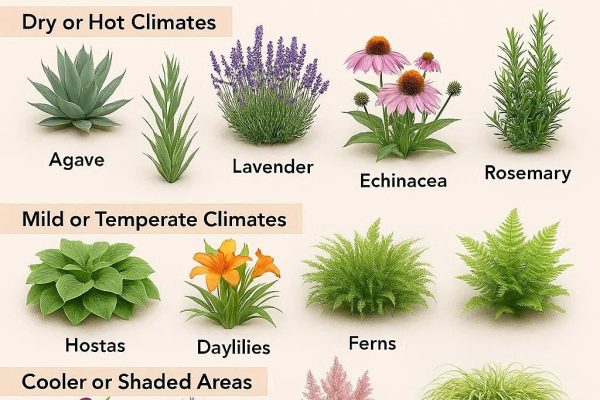
Choosing the right plants is essential to a thriving xeriscape. Here are some excellent low-water species for various climates:
| Category | Plant Name | Description |
|---|---|---|
| Succulents | Agave, Aloe Vera | Perfect for hot climates, striking architectural forms |
| Flowering Plants | Lavender, Russian Sage | Add fragrance and color while resisting drought |
| Ground Covers | Sedum, Ice Plant | Spread easily and prevent soil erosion |
| Shrubs | Rosemary, Oleander | Evergreen and low-maintenance choices |
| Trees | Olive Tree, Palo Verde | Provide shade and visual structure |
Design Ideas for a Modern Xeriscape
Transform your yard into a stylish and eco-friendly retreat with these design ideas:
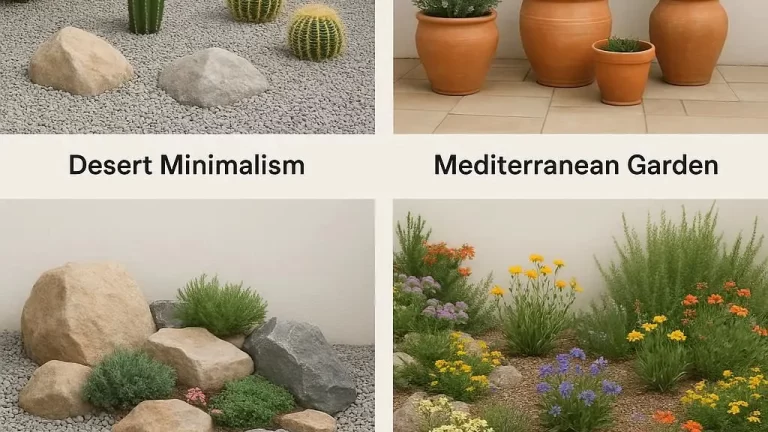
- Desert Minimalism: Combine gravel, cacti, and large stones for a modern, serene feel.
- Mediterranean Garden: Use terracotta pots, lavender, and olive trees for a warm European aesthetic.
- Rock Garden Style: Layer boulders, pebbles, and alpine plants for visual contrast.
- Native Wildflower Zone: Encourage biodiversity by planting local drought-tolerant species.
- Dry Stream Bed: Create a “river” using pebbles and stones to add flow and structure.

DIY and Budget Tips
You don’t need a large budget to create a stunning xeriscape garden. Try these budget-friendly landscaping ideas:
- Use recycled materials like old bricks or wood for pathways.
- Start with small plants; they’re cheaper and establish faster.
- Apply mulch to retain moisture and reduce weed growth.
- Consider DIY drip irrigation kits for affordable, efficient watering.
- Collect rainwater for natural irrigation.
Maintenance Tips
Maintaining a xeriscape is simpler than a traditional garden but still requires some care:
- Water Deeply but Infrequently: Encourage deep root growth.
- Prune Regularly: Shape plants to maintain a clean, structured look.
- Replenish Mulch: Add new mulch annually to retain moisture.
- Control Weeds: Use landscape fabric or gravel to prevent weed spread.
- Monitor for Pests: Although drought-tolerant plants are hardy, inspect occasionally for bugs.
Conclusion
Drought-tolerant landscaping isn’t just practical—it’s a design trend that combines sustainability with beauty. By incorporating xeriscape plants, efficient irrigation, and creative hardscaping, you can create a garden that thrives year-round while conserving water and reducing maintenance.
Whether you prefer a minimalist desert design or a vibrant Mediterranean look, xeriscaping offers endless possibilities to transform your outdoor space into a resilient, eco-friendly paradise.