
Table of Contents
- Introduction
- Understanding Annuals
- Understanding Perennials
- Key Differences Between Annuals and Perennials
- Choosing the Right Plants for Your Garden
- Combining Annuals and Perennials
- Care Tips for Annuals
- Care Tips for Perennials
- Conclusion
1. Introduction
When planning a garden, one of the most important decisions is choosing the right plants. Gardeners often face the choice between annuals and perennials, but understanding the differences can help you create a beautiful, low-maintenance, and sustainable garden. This guide explores the characteristics, advantages, and care tips for both plant types, helping you make informed choices for your outdoor space.
2. Understanding Annuals
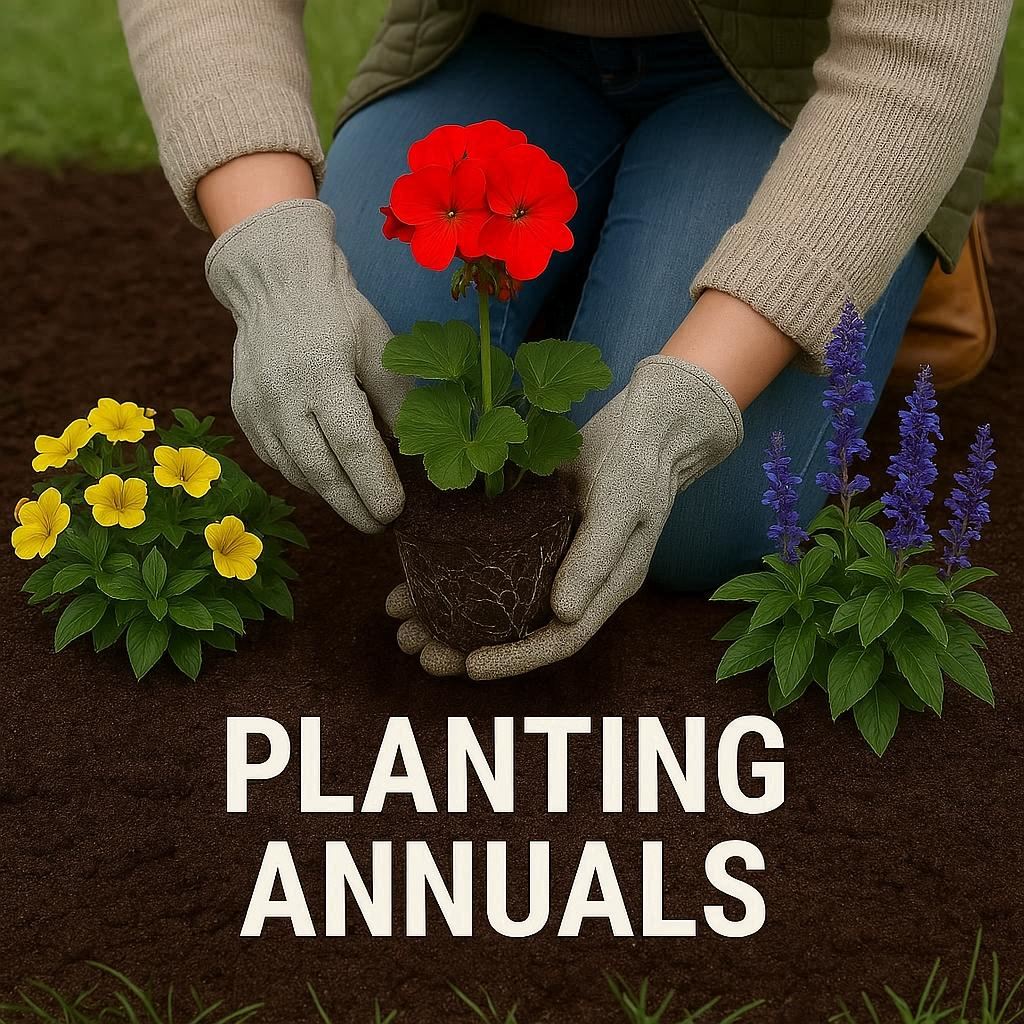
Annuals are plants that complete their entire life cycle within one growing season. They germinate, grow, flower, set seed, and die within a single year. Annuals are popular in gardens because of their vibrant colors, continuous blooms, and versatility.
- Popular Annuals: Marigolds, Petunias, Zinnias, Snapdragons, and Impatiens.
- Advantages: Quick growth, abundant flowers, seasonal variety, ideal for containers or borders.
- Drawbacks: Must be replanted every year, require more regular care, and can be more expensive over time due to annual replacement.
Annuals are perfect for gardeners who want instant color and seasonal impact, and they allow for experimentation with different varieties each year.
3. Understanding Perennials
Perennials are plants that live for more than two years, often many more. They typically grow, bloom, and go dormant during winter, returning year after year. Perennials can provide structure, texture, and continuity in a garden, forming the backbone of long-term planting plans.
- Popular Perennials: Hostas, Daylilies, Coneflowers, Lavender, and Peonies.
- Advantages: Low-maintenance once established, long-lasting, build stable garden design, attract pollinators.
- Drawbacks: Initial investment can be higher, slower to bloom in the first year, less seasonal flexibility compared to annuals.
Perennials are ideal for gardeners seeking sustainable, low-maintenance plants that create a long-term garden framework.
4. Key Differences Between Annuals and Perennials
| Feature | Annuals | Perennials |
|---|---|---|
| Life Cycle | One growing season | Multiple years |
| Bloom Time | Often continuous | Seasonal |
| Maintenance | Replant each year | Less frequent maintenance |
| Cost Over Time | Higher due to replanting | Lower once established |
| Garden Impact | Immediate color | Long-term structure |
Understanding these differences helps gardeners plan gardens that balance instant beauty with long-term growth.
5. Choosing the Right Plants for Your Garden
Choosing between annuals and perennials depends on your garden goals, climate, and maintenance preferences:
- For Colorful Borders: Annuals provide vibrant and seasonal flowers.
- For Low-Maintenance Design: Perennials offer structure and long-term growth.
- For Containers or Small Spaces: Annuals allow rotation and seasonal experimentation.
- For Pollinator-Friendly Gardens: Combine perennials with annuals to attract bees, butterflies, and hummingbirds.
Consider soil type, sunlight, water availability, and regional climate when selecting plants to ensure healthy growth and consistent blooms.
6. Combining Annuals and Perennials
Many gardeners use a hybrid approach, combining annuals and perennials to maximize garden beauty:
- Plant perennials as the structural backbone of your garden.
- Use annuals to fill gaps, provide seasonal color, and complement perennials.
- Rotate annuals each year for fresh designs while maintaining the stability of perennials.
- Consider companion planting to improve soil health and reduce pest problems.
This approach balances immediate visual appeal with long-term sustainability.
7. Care Tips for Annuals
To get the most from annuals, follow these tips:
- Soil Preparation: Use well-drained soil with organic matter.
- Watering: Keep soil consistently moist but avoid waterlogging.
- Fertilization: Use a balanced fertilizer every few weeks to promote continuous blooms.
- Deadheading: Remove spent flowers to encourage new growth and prolong flowering.
- Pest and Disease Management: Monitor regularly for common issues such as aphids or powdery mildew.
8. Care Tips for Perennials
Perennials require slightly different care for long-term health:
- Planting: Plant at the right depth and provide sufficient spacing for growth.
- Mulching: Helps retain soil moisture and suppress weeds.
- Pruning and Dividing: Remove dead growth and divide mature plants every few years to encourage new blooms.
- Fertilization: Apply slow-release fertilizer in early spring to support seasonal growth.
- Winter Care: Protect sensitive perennials from frost using mulch or covers.
9. Conclusion
Choosing between annuals and perennials depends on your garden goals, desired maintenance level, and aesthetic preferences. Annuals bring vibrant, seasonal color and flexibility, while perennials offer long-term structure, sustainability, and low maintenance. Many successful gardens combine both types, using perennials as a stable foundation and annuals to add seasonal variety and experimentation. By understanding their differences and care requirements, you can create a garden that is beautiful, healthy, and rewarding year after year.


