Table of Contents
- Introduction: The Charm of Compact Green Spaces
- Core Principles of Small Garden Design
- Vertical Gardening: Your Secret Weapon
- Container and Pot Selection for Small Areas
- Color and Texture Tricks to Expand Your Space
- Creating Multi-Functional Zones
- Lighting for Atmosphere and Depth
- Low-Maintenance Tips for Small Gardens
- Conclusion: Your Personal Oasis Awaits

1. Introduction: The Charm of Compact Green Spaces
Small gardens, whether a cozy balcony, a petite patio, or a tiny backyard, hold a unique magic. They offer an intimate opportunity to create a deeply personal oasis without the overwhelming maintenance of a large plot. The key to a successful small garden design lies not in fighting the limited square footage but in embracing it with creativity and smart planning. This guide is packed with small garden ideas and urban garden design tips to help you transform your compact area into a stunning, functional, and inspiring retreat. Discover how to turn constraints into virtues and create an outdoor space you’ll love.
2. Core Principles of Small Garden Design
Before you start planting, understanding a few core design principles will set you up for success.
- Less is More: Avoid clutter. In a small space, every element must earn its place. Choose a few statement pieces—a beautiful pot, a sculptural plant, a unique chair—rather than many small, unrelated items.
- Define Your Style: Are you drawn to a modern minimalist look, a lush tropical vibe, or a rustic cottage feel? Defining a clear style helps create a cohesive and harmonious space, making it feel larger and more intentional.
- Scale and Proportion: Choose furniture and plants that are proportionate to your space. Oversized items will make the garden feel cramped, while too many tiny elements can feel busy and disjointed.
- Create a Focal Point: Draw the eye to a specific feature, such as a water feature, a striking piece of art, or a beautifully shaped tree. This creates a sense of purpose and distracts from the boundaries of the space.
3. Vertical Gardening: Your Secret Weapon
When floor space is limited, look up! Vertical gardening is the most effective strategy for maximizing small gardens.
- Wall Planters and Pocket Gardens: Fabric pocket planters or mounted troughs are perfect for growing herbs, strawberries, and trailing plants like lobelia or ivy.
- Trellises and Obelisks: Use these structures to support climbing plants such as clematis, jasmine, sweet peas, or even vegetables like beans and cucumbers. They add height and draw the eye upward.
- Shelving and Ladder Gardens: Repurpose a wooden ladder or install sleek wall shelves to create a cascading display of pot plants, succulents, and decorative objects.
- Living Walls: For a truly dramatic effect, consider a modular living wall system. These can be hydroponic or soil-based and allow you to create a vast tapestry of plants on a single wall.

4. Container and Pot Selection for Small Areas
Containers offer unparalleled flexibility. You can move them to follow the sun, create new layouts, and even bring tender plants indoors in winter.
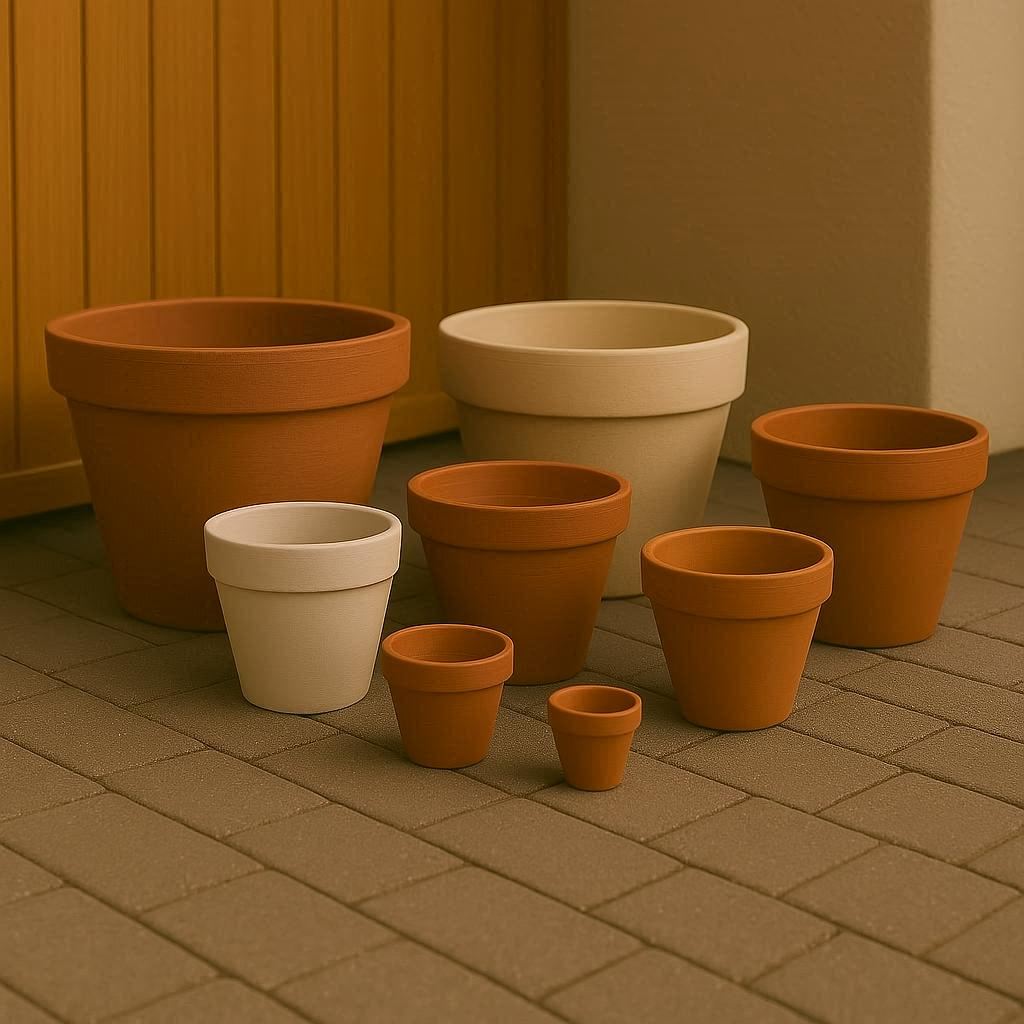
- Cohesive Palette: Stick to two or three pot colors or materials (e.g., terracotta, glazed ceramic, grey concrete) to create a unified look that makes the space feel larger.
- Varied Sizes and Heights: Use a mix of pot sizes. Group them together, placing taller pots at the back and shorter ones at the front to create depth and interest. Don’t be afraid to use one very large statement pot.
- Self-Watering Pots: A great low-maintenance gardening solution for busy urban dwellers, these pots reduce the frequency of watering needed.
- Unexpected Planters: Get creative! Old teapots, wooden crates, buckets, and even wellies can be used as quirky planters, adding personality to your small space landscaping.
5. Color and Texture Tricks to Expand Your Space
Smart use of color and plant texture can visually push back the walls of your garden.
- Color Theory: Cool colors like blues, purples, and soft greys tend to recede, making boundaries feel farther away. Use them at the far end of your space. Warm colors (reds, oranges, yellows) advance, so use them to create points of interest closer to you.
- Monochromatic Schemes: A garden designed in shades of a single color (e.g., all greens and whites) feels calm, elegant, and more spacious.
- Foliage is Key: Don’t just think about flowers. Plants with different leaf textures—large, bold hostas, fine, feathery ferns, spiky grasses—create layers of visual interest that keep the eye moving throughout the space.

6. Creating Multi-Functional Zones
Even the tiniest garden can serve multiple purposes. The trick is to define zones without building solid barriers.
- Use Flooring Changes: Define a dining area with deck tiles or an outdoor rug and a lounging area with gravel or grass pavers.
- Light Partitioning: Use open shelving units, a low trellis, or a row of tall, slender plants (like bamboo in containers) to suggest a division between zones without blocking light or sightlines.
- Foldable and Multi-Functional Furniture: Invest in a foldable bistro set that can be tucked away, a bench with built-in storage, or a coffee table that doubles as a fire pit. This is essential for balcony gardening ideas and tiny patios.

7. Lighting for Atmosphere and Depth
Lighting extends the use of your garden into the evening and adds a layer of enchantment.
- String Lights/Bistro Lights: The quintessential choice for creating a cozy, magical atmosphere. Drape them overhead, along railings, or in trees.
- Solar-Powered Lights: A hassle-free and sustainable option. Use solar-powered stake lights to line a pathway or spotlights to uplight a beautiful tree or architectural feature.
- Lanterns: Cluster lanterns with LED candles on a table or hang them from hooks. They add a warm, flickering glow and can be moved around easily.
- Uplighting: Strategically placing a light to shine up into the foliage of a plant or against a textured wall creates dramatic shadows and adds immense depth to the space.

8. Low-Maintenance Tips for Small Gardens
A small garden should be a joy, not a chore.
- Choose the Right Plants: Opt for dwarf or slow-growing cultivars that won’t outgrow their space quickly. Look for plants labeled as suitable for containers.
- Automated Watering: A simple drip irrigation system on a timer or using self-watering pots can save time and ensure your plants thrive, especially during hot summers.
- Weed Control: Use mulch (like gravel, pebbles, or bark chips) on top of your soil in containers and beds. This suppresses weeds, retains moisture, and gives a finished look.
- Evergreens: Incorporate a few small evergreen shrubs or ornamental grasses to provide structure and interest all year round, reducing the need for seasonal replanting.

9. Conclusion: Your Personal Oasis Awaits
Designing a small garden is a rewarding exercise in creativity and precision. By embracing verticality, choosing a cohesive style, playing with visual tricks, and selecting multi-functional elements, you can craft an outdoor retreat that feels both expansive and intimately your own. Remember, the best small garden design is one that reflects your personality and meets your needs for relaxation and connection with nature. Start small, experiment, and watch your compact space blossom into your favorite room.