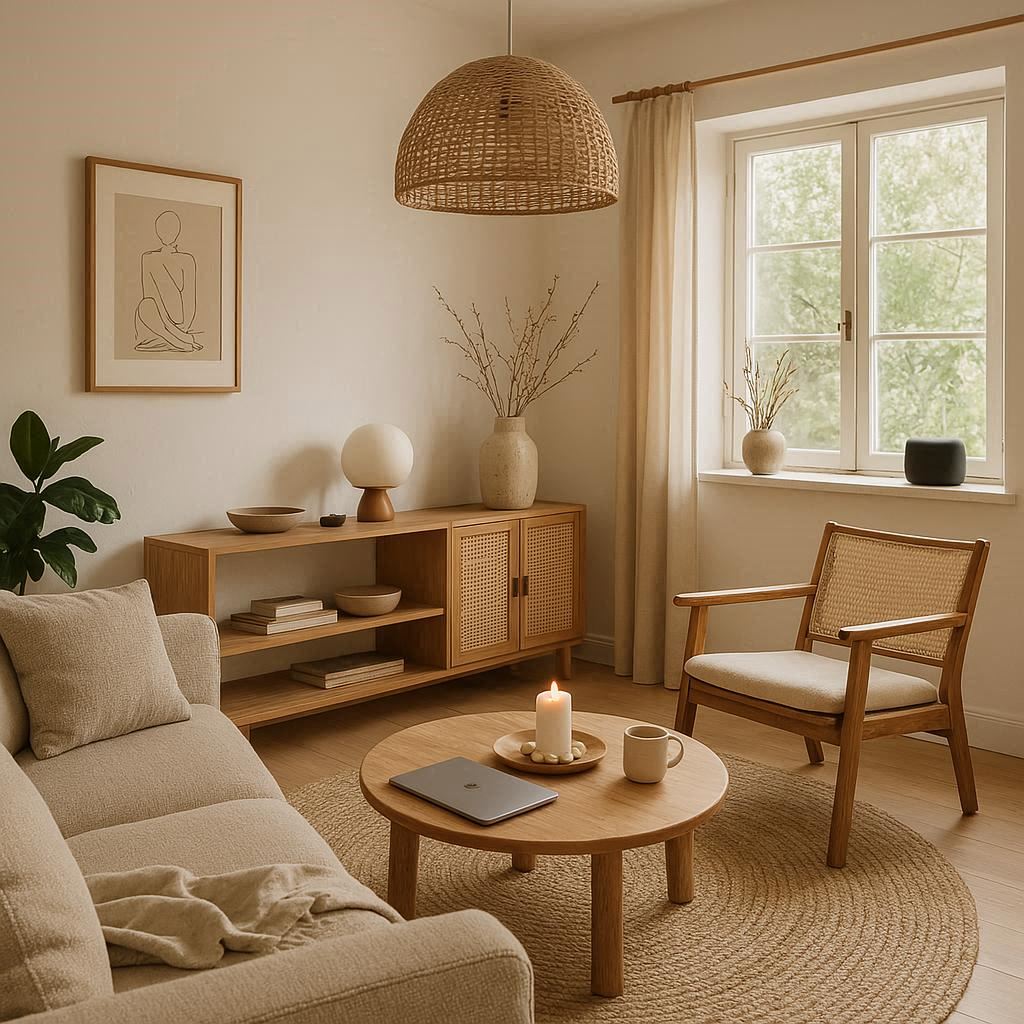
In an age of constant connectivity, climate anxiety, and rapid technological change, our homes have quietly emerged as the most important spaces for addressing both personal wellbeing and planetary health. What was once merely shelter has transformed into something far more significant: a personal ecosystem that either contributes to or helps solve the larger challenges we face. This transformation represents not just changing design preferences, but a fundamental shift in how we understand our relationship to our living spaces and their impact on our lives and the world around us. Through examining five key perspectives, we can understand how our approach to home and garden is becoming one of the most powerful forms of both personal and environmental activism.
Article Directory:
- The Slow Home Movement: Quality Over Quantity
- Conscious Consumption: The End of Trend-Chasing
- Digital Minimalism: Creating Tech-Healthy Spaces
- The Maker Mindset: Repair, Reuse, Reimagine
- Community Connection: Beyond the Property Line
1. The Slow Home Movement: Quality Over Quantity
The slow movement that began with food has found its most powerful expression in how we approach our living spaces. This philosophy prioritizes thoughtful choices over rapid consumption, quality over quantity, and meaning over convenience.
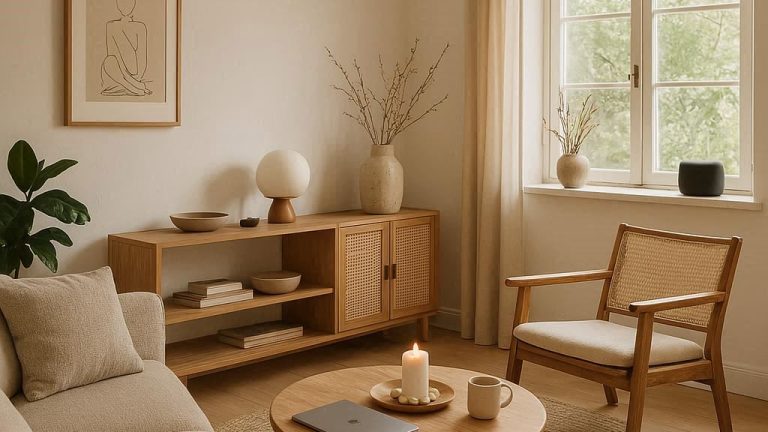
- Intentional Acquisition: Homeowners are increasingly adopting a “buy once, buy well” mentality, investing in fewer pieces of higher quality that will last for decades rather than years. This shift represents a rejection of disposable culture and an embrace of items that tell a story and develop character over time.
- Space Reclamation: The trend toward smaller, better-designed homes continues to gain momentum as people recognize that well-utilized space brings more satisfaction than extensive square footage that requires constant maintenance and cleaning.
- Local Connection: There’s growing appreciation for locally made goods and locally sourced materials that reduce transportation emissions and support community craftspeople. This connection to origin stories adds meaning to everyday objects.
- Mindful Layouts: Homes are being designed around how people actually live rather than abstract notions of prestige. Spaces flow according to daily routines and genuine needs rather than formal entertaining requirements that may never be used.
2. Conscious Consumption: The End of Trend-Chasing
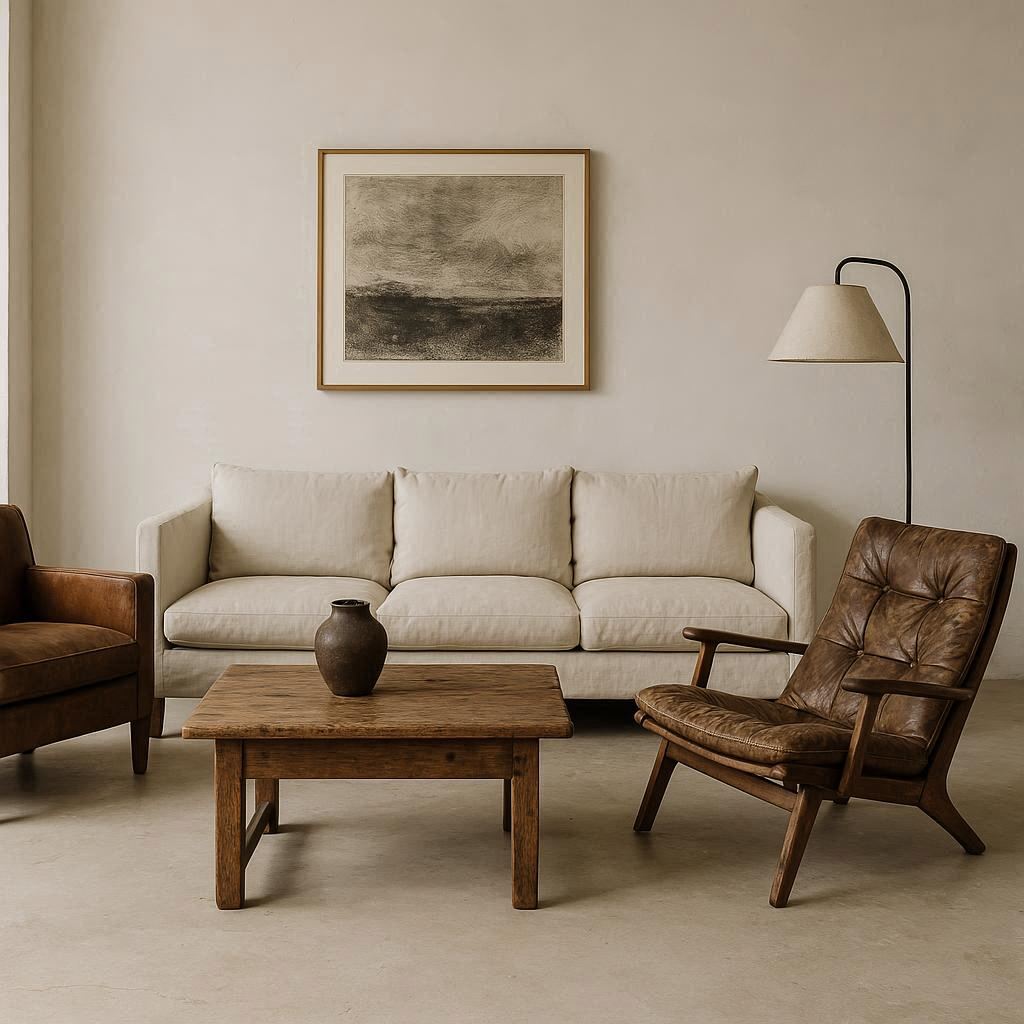
The era of completely redecorating every few years to match changing trends is giving way to a more conscious approach that values sustainability and personal expression over fashion.
- Timeless Over Trendy: Homeowners are selecting materials, colors, and pieces based on enduring appeal rather than what’s popular at the moment. This approach reduces waste and creates spaces that feel authentic rather than staged.
- Lifecycle Awareness: People are considering the entire lifecycle of products before purchase—where materials come from, how they’re manufactured, how long they’ll last, and what will happen to them when no longer needed.
- Emotional Durability: Objects are valued not just for physical durability but for their ability to remain emotionally relevant over time. Pieces that can adapt to changing needs and styles are prioritized over those that serve only one purpose.
- Transparent Origins: There’s growing demand for transparency in how products are made, with consumers supporting companies that provide clear information about materials, manufacturing processes, and labor practices.
3. Digital Minimalism: Creating Tech-Healthy Spaces
As technology becomes increasingly embedded in our homes, there’s a growing movement to ensure it serves human needs rather than dictating them.
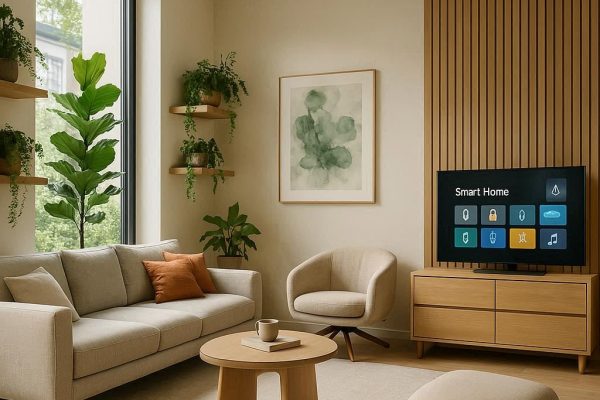
- Intentional Technology: Smart home features are being selected based on genuine need rather than technological possibility. The question has shifted from “what can we automate?” to “what should we automate?”
- Digital Sanctuary Zones: Specific areas, particularly bedrooms and dining spaces, are being designed as technology-free zones where uninterrupted connection and rest can occur.
- Visible Interfaces: Contrary to the trend toward invisible technology, many homeowners are choosing interfaces that provide clear feedback about what systems are doing and what data they’re collecting.
- Right to Repair: There’s growing resistance to planned obsolescence, with homeowners supporting companies that design products that can be easily repaired and upgraded rather than replaced.

4. The Maker Mindset: Repair, Reuse, Reimagine
The DIY movement has evolved beyond simple home improvement to encompass a broader maker mentality that values skill development and self-reliance.
- Skill Acquisition: Homeowners are increasingly learning practical skills like basic carpentry, sewing, and repair that allow them to maintain and personalize their spaces without professional help.
- Upcycling Culture: Rather than discarding items that are worn or outdated, people are finding creative ways to give them new life through painting, reupholstering, or repurposing for different uses.
- Tool Libraries: Community tool sharing programs are reducing the need for individual ownership of specialized tools that may be used only occasionally, saving money and storage space.
- Customization Mindset: Mass-produced items are being personalized through simple modifications that make them better suited to individual needs and spaces.
5. Community Connection: Beyond the Property Line
The most forward-thinking home perspectives recognize that a home exists within a larger ecosystem of community and natural environment.
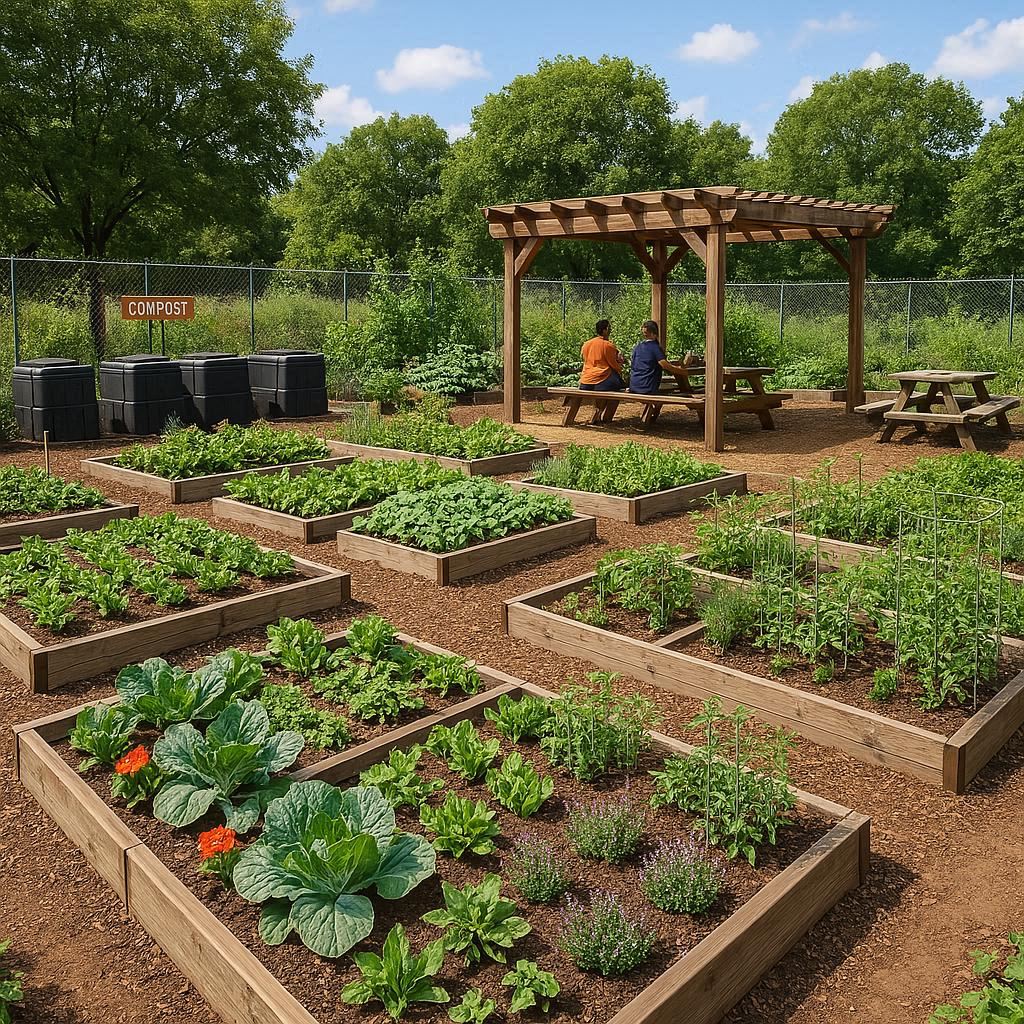
- Shared Resources: Neighborhoods are developing shared resources like tool libraries, community gardens, and skill-sharing networks that reduce individual consumption while strengthening community bonds.
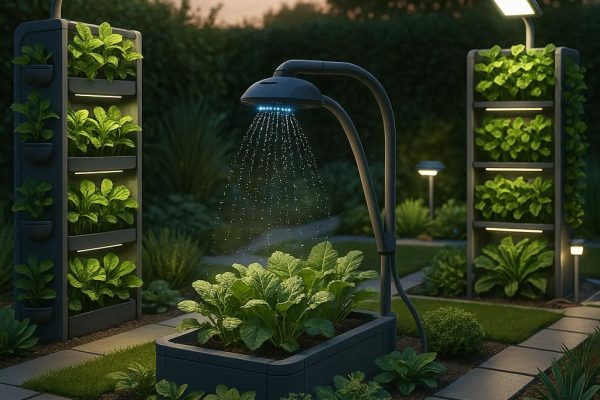
- Landscape Integration: Gardens are being designed to support local ecosystems through native plantings, wildlife habitats, and permeable surfaces that manage water within the local watershed.
- Multi-Generational Living: Both within homes and across communities, there’s growing interest in spaces that facilitate connection between generations, recognizing the value of shared wisdom and mutual support.
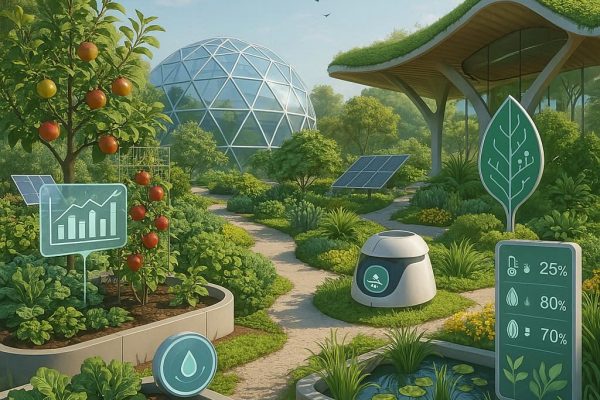
- Community Resilience: Homes are being seen as nodes in larger community resilience networks, with features like renewable energy generation, food production, and water collection that could contribute to community needs during emergencies.
Conclusion: The Home as a Personal and Planetary Practice
The evolution of our relationship with home represents one of the most promising developments in addressing both personal wellbeing and environmental challenges. By reimagining our living spaces through these five perspectives, we’re not just creating more beautiful or efficient homes—we’re participating in a quiet revolution that values connection over consumption, meaning over convenience, and resilience over efficiency.
This shift recognizes that our homes are not separate from the world but deeply connected to it, and that the choices we make within our four walls have implications far beyond them. The most progressive home perspectives understand that creating a nurturing personal space and contributing to planetary health are not competing priorities but complementary goals that can and should reinforce each other.
As we move forward, the homes that will serve us best will be those that balance technology with humanity, convenience with consciousness, and personal needs with community and environmental responsibilities. These spaces won’t look like pages from a catalog but will instead reflect the unique values, needs, and stories of the people who inhabit them—and in doing so, they’ll point toward a more sustainable, connected, and meaningful way of living.