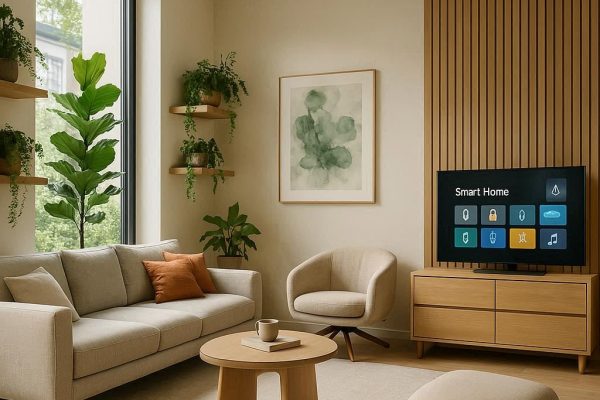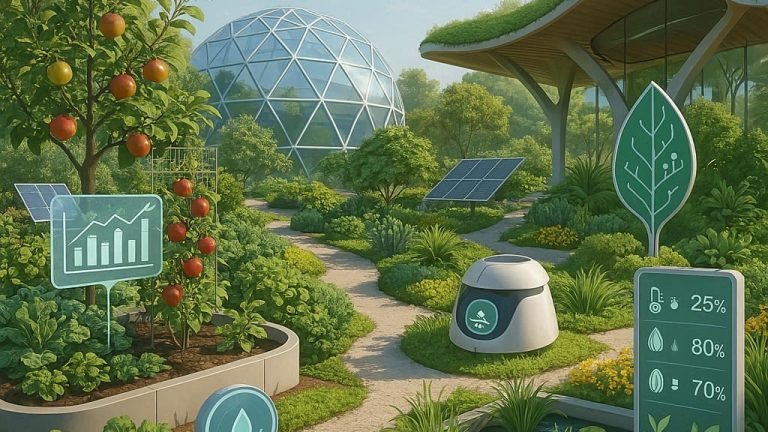
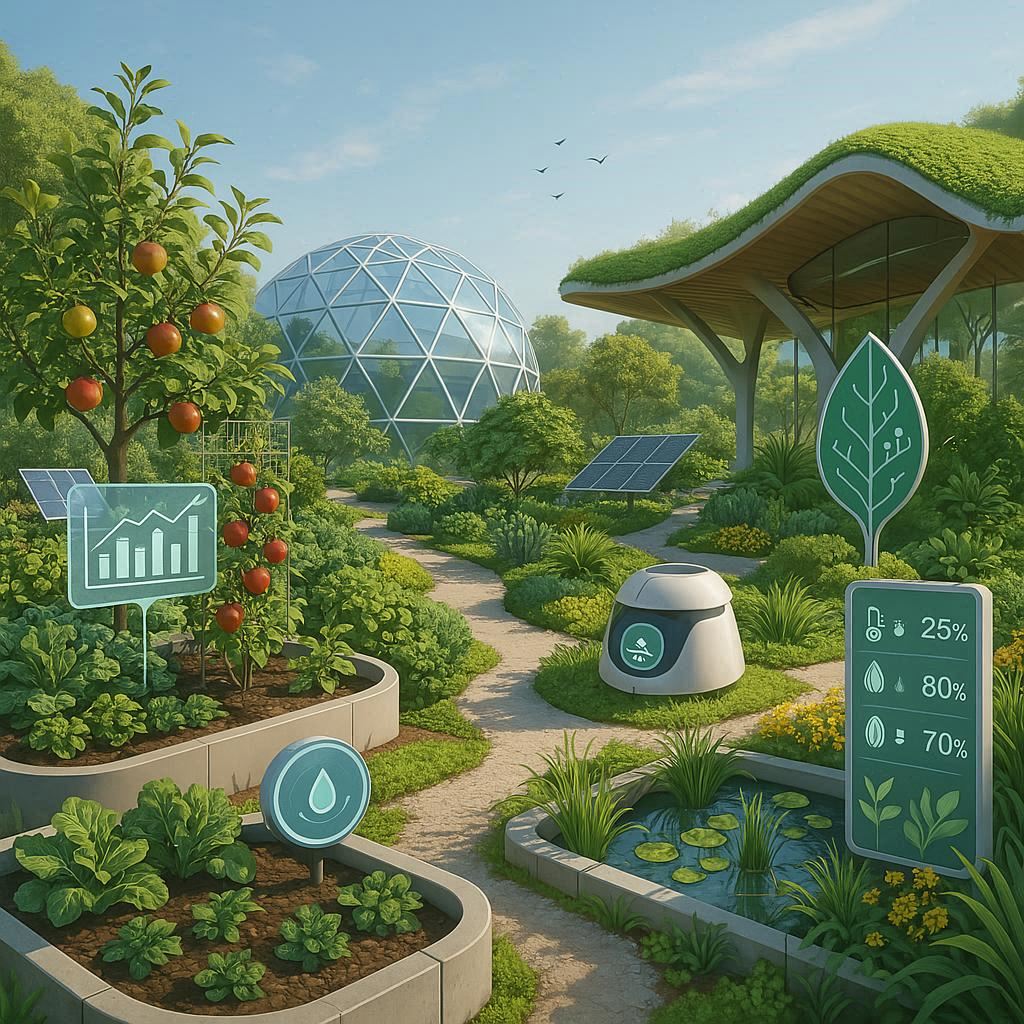
The world of gardening is undergoing a revolutionary transformation as technology, sustainability concerns, and changing lifestyles converge to create new approaches to outdoor spaces. Today’s gardens are evolving from decorative afterthoughts into functional ecosystems that address environmental challenges, enhance wellbeing, and adapt to our increasingly digital lives. This comprehensive analysis examines the most significant trends shaping gardening practices in 2026, offering insights into how homeowners, landscape professionals, and community planners are reimagining our relationship with cultivated outdoor spaces. From AI-powered plant care to climate-resilient landscaping, these trends represent both responses to global challenges and opportunities for creating more meaningful connections with nature.
Article Directory:
- Smart Gardening Goes Mainstream
- Climate-Adaptive Planting Strategies
- Edible Landscaping 2.0
- Regenerative Garden Practices
- Biodiversity-Focused Designs
- Water Management Revolution
- Garden Wellness Integration
1. Smart Gardening Goes Mainstream
Technology integration has moved from novelty to necessity in modern gardening, with intelligent systems enhancing both efficiency and results.
- AI-Powered Care Systems: Advanced sensors now monitor soil conditions, plant health, and microclimates, providing real-time recommendations through mobile apps. These systems can distinguish between beneficial insects and pests, recommend treatment options, and even predict potential disease outbreaks before visible symptoms appear.
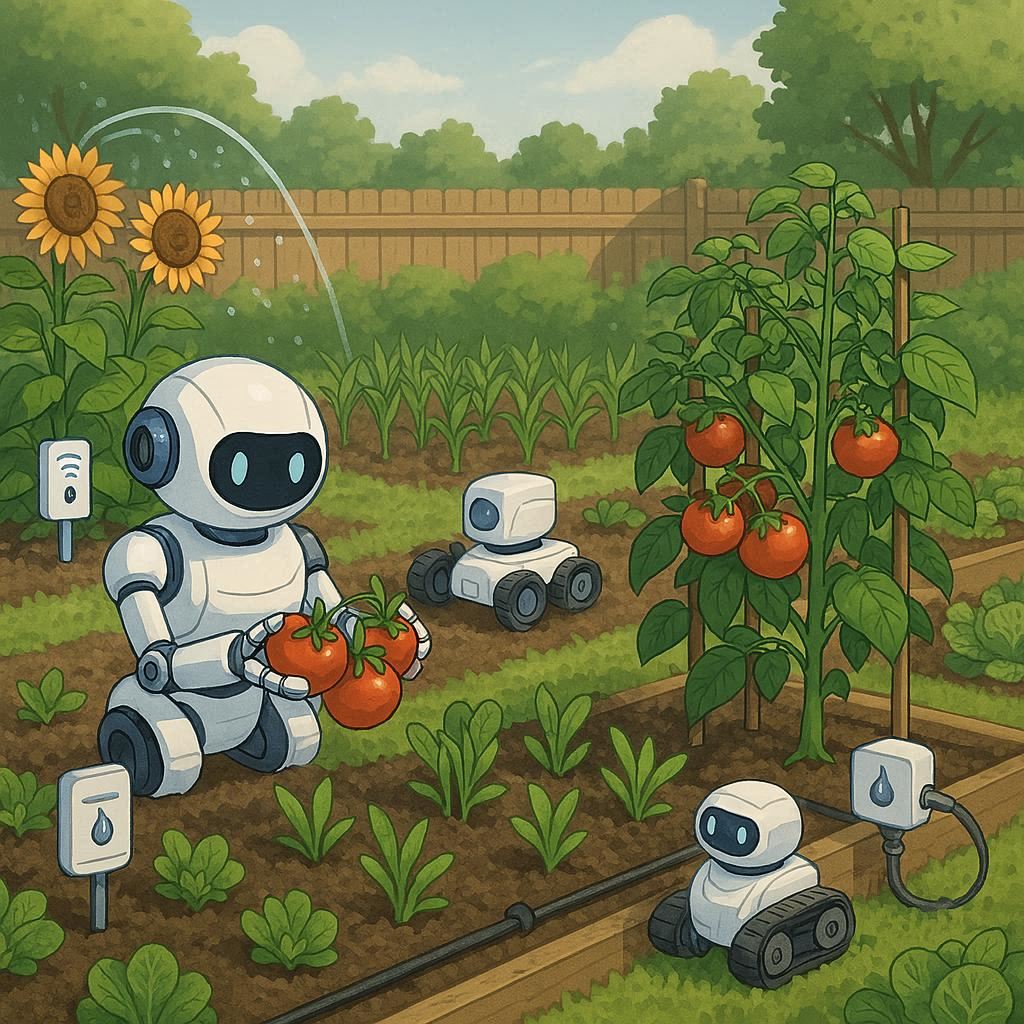
- Robotic Assistants: Autonomous lawn mowers have evolved into multi-functional garden robots that can weed, prune, and monitor plant health. The latest models use computer vision to identify plants versus weeds, applying targeted treatments without chemicals.
- IoT Integration: Smart irrigation systems now connect to weather forecasts and soil moisture sensors, reducing water usage by 30-50% while improving plant health. These systems can be controlled remotely and learn from past performance to optimize watering schedules.
- Data-Driven Decisions: Gardeners are using drone technology and satellite imagery to analyze their gardens from new perspectives, identifying issues with drainage, sunlight patterns, and plant spacing that aren’t visible from ground level.
2. Climate-Adaptive Planting Strategies
As weather patterns become increasingly unpredictable, gardeners are adopting new approaches to ensure landscape resilience.
- Regional Adaptation: Gardeners are selecting plants based on future climate projections rather than historical patterns. Drought-tolerant species are moving northward, while traditional cool-weather plants are being replaced in warmer regions.
- Microclimate Exploitation: Strategic planting creates beneficial microclimates that protect sensitive plants. South-facing thermal mass walls, windbreak hedges, and shade gardens are designed to moderate extreme temperatures and protect biodiversity.
- Stormwater Integration: Gardens are being designed as part of holistic water management systems, with swales, rain gardens, and permeable surfaces that capture and filter runoff while reducing flood risk.
- Fire-Wise Landscaping: In fire-prone areas, homeowners are creating defensible spaces with fire-resistant plants, strategic hardscaping, and irrigation systems that can activate during fire threats.
3. Edible Landscaping 2.0
Food-producing plants are being integrated into ornamental designs, creating beautiful spaces that also provide sustenance.
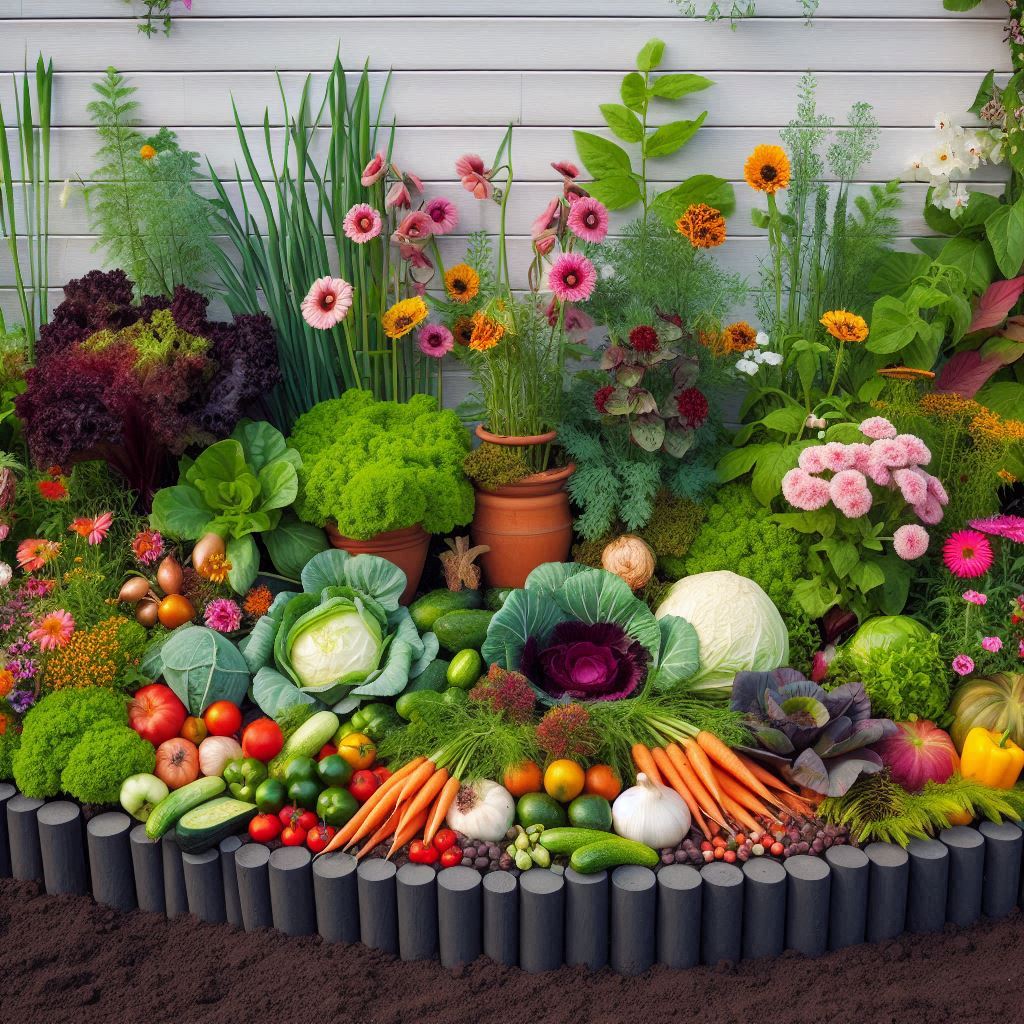
- Aesthetic Edibles: New varieties of vegetables, fruits, and herbs are being bred for visual appeal as well as productivity. Rainbow chard, purple cauliflower, and variegated herbs are being used as decorative elements in flower borders and container gardens.
- Perennial Food Forests: Multi-layered food production systems incorporating fruit trees, berry bushes, perennial vegetables, and edible groundcovers are replacing traditional annual vegetable gardens. These systems require less maintenance and build soil health over time.
- Small-Space Solutions: Advanced vertical gardening systems, hydroponic walls, and compact dwarf fruit varieties enable food production in urban environments and small yards.
- Community Integration: Neighborhood foodscape projects are transforming underutilized public spaces into productive landscapes, with shared harvests and educational programs.
4. Regenerative Garden Practices
Gardens are being managed as regenerative systems that improve rather than deplete natural resources.
- Soil Health Focus: Gardeners are prioritizing soil building through no-till methods, composting, and microbial inoculants. Healthy soil is recognized as the foundation of plant health, reducing the need for fertilizers and pesticides.
- Carbon Gardening: Plants are selected and managed for their carbon sequestration potential, with deep-rooted perennials, trees, and cover crops used to capture atmospheric carbon and store it in soil organic matter.
- Closed-Loop Systems: Garden waste is recycled on-site through composting, chop-and-drop mulching, and hugelkultur beds that create self-fertilizing growing environments.
- Water Independence: Rainwater harvesting systems have evolved from simple barrels to integrated storage solutions that can supply entire garden irrigation needs, with some systems capable of storing thousands of gallons.
5. Biodiversity-Focused Designs
Gardens are being designed as habitats that support struggling pollinator populations and other wildlife.
- Native Plant Emphasis: Regionally appropriate native plants form the backbone of planting designs, providing food and habitat for local wildlife while requiring fewer resources than non-native species.
- Layered Planting: Canopy trees, understory shrubs, herbaceous plants, and groundcovers create diverse habitats that support multiple species and provide year-round interest.
- Wildlife Support Features: Bird and bat houses, insect hotels, water features, and undisturbed habitat corners are being incorporated into garden designs to support beneficial wildlife.
- Pollinator Pathways: Gardeners are collaborating across neighborhoods to create connected corridors of pollinator-friendly plants that enable wildlife movement through urban and suburban areas.
6. Water Management Revolution
Innovative approaches to water use are addressing scarcity concerns while maintaining beautiful gardens.
- Precision Irrigation: Drip systems, soaker hoses, and targeted watering technologies deliver water directly to plant roots, minimizing evaporation and runoff.
- Greywater Integration: Systems that redirect water from showers, laundry, and sinks to garden irrigation are becoming more sophisticated and easier to install, with some models automatically filtering and distributing water.
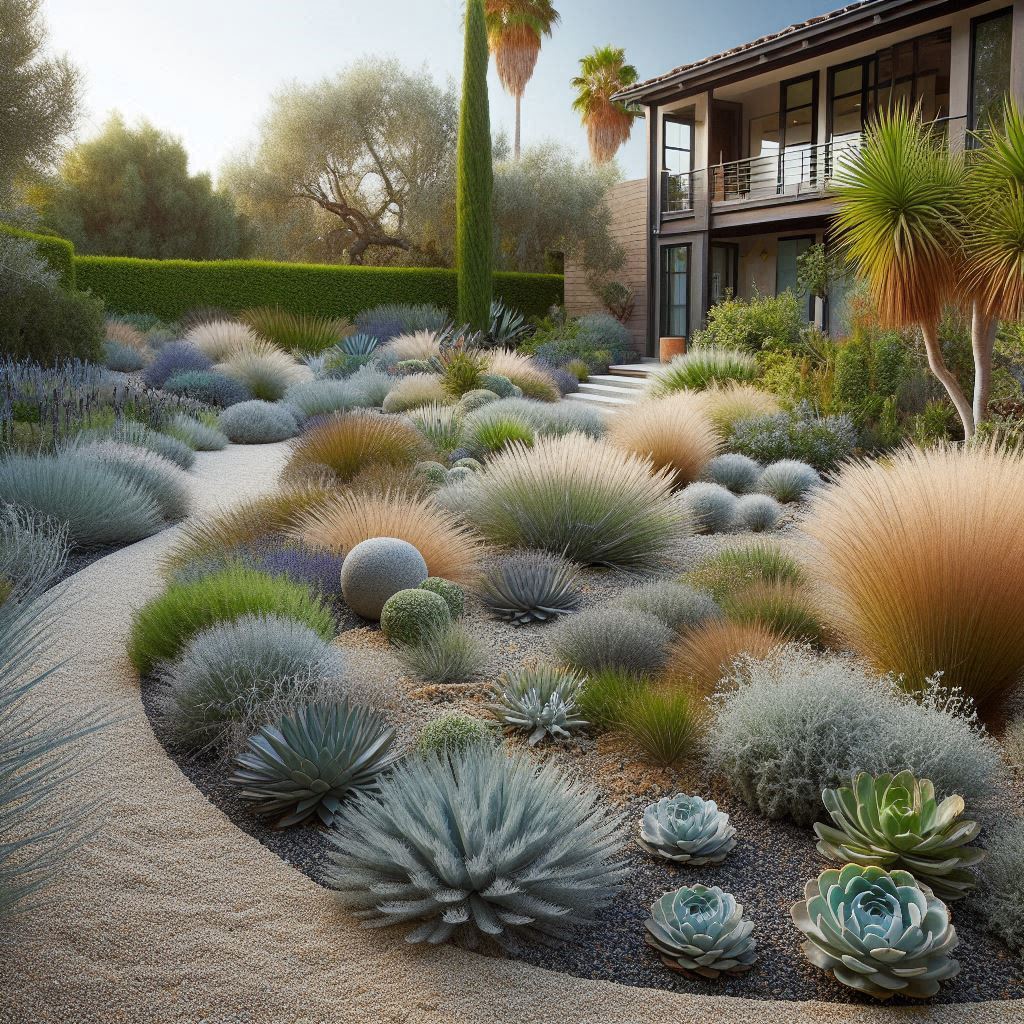
- Dry Garden Principles: Gardeners in arid regions are embracing xeriscaping with beautiful drought-tolerant plants, reducing outdoor water use by 50-75% while maintaining visual appeal.
- Moisture Monitoring: Advanced soil moisture sensors can distinguish between different soil types and plant water needs, creating customized irrigation zones that optimize water use.
7. Garden Wellness Integration
Gardens are increasingly recognized as essential spaces for mental and physical wellbeing, with designs that promote health and relaxation.
- Therapeutic Gardens: Designed spaces for meditation, yoga, and mindfulness practices incorporate elements that engage all senses and promote relaxation.
- Healing Plant Selection: Gardens are being planted with species known for their therapeutic properties, including aromatic plants that reduce stress, air-purifying species, and plants with calming visual qualities.
- Accessible Design: Raised beds, wide pathways, and ergonomic tools make gardening accessible to people with mobility challenges, while sensory gardens engage those with visual or cognitive impairments.
- Social Spaces: Gardens are being designed for connection, with comfortable seating areas, outdoor kitchens, and gathering spaces that encourage social interaction and community building.
Conclusion: Gardening as Ecological Leadership
The emerging trends in gardening reflect a fundamental shift in how we view our outdoor spaces—from decorative showcases to functional ecosystems that address environmental challenges, support biodiversity, and enhance human wellbeing. Today’s gardeners are becoming ecological stewards, using their plots to combat climate change, support struggling wildlife populations, and create more sustainable relationships with the natural world.
These trends also demonstrate how technology and ecology can work together, with smart systems enhancing rather than replacing natural processes. The most successful gardens of the future will balance technological innovation with ecological wisdom, creating spaces that are both high-functioning and deeply connected to natural systems.
For gardeners at all levels, these trends offer exciting opportunities to experiment with new approaches, technologies, and plant combinations. Whether you’re transforming a small balcony or managing extensive landscapes, embracing these trends can help create outdoor spaces that are not only beautiful but also contribute positively to environmental health and personal wellbeing. The future of gardening is smart, sustainable, and deeply connected to the broader ecological systems that support all life.