Table of Contents
- Introduction
- The Essence of Minimalism
- The Rise of Maximalism
- Why Homeowners Are Shifting Between Styles
- Combining Both: The “Maxi-Minimalist” Trend
- Practical Tips for Finding Your Style
- Conclusion
Introduction
The design world is witnessing an exciting transformation — the ongoing debate between minimalism and maximalism. For years, minimalism has dominated with its “less is more” philosophy. Yet, a bold countertrend has emerged: maximalism, where “more is more.”
As homeowners look to express individuality, this design tug-of-war has become a fascinating evolution in how we define comfort, personality, and aesthetics in our living spaces.
The Essence of Minimalism
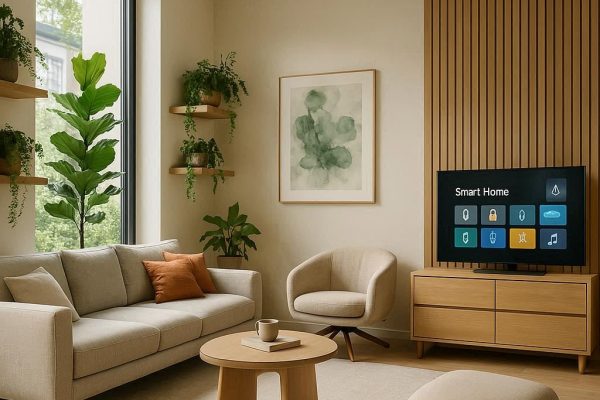
Minimalism emphasizes simplicity, clarity, and intention. It’s about choosing quality over quantity — owning fewer but better things. The idea is to create harmony through balance and open space.
Neutral tones, clean lines, and uncluttered layouts define the minimalist aesthetic.
Think Scandinavian-inspired interiors, Japanese zen design, or modern industrial lofts — these all celebrate calm and functionality.
Key characteristics of minimalist design:
- Neutral color palette (white, beige, gray)
- Streamlined furniture with clean silhouettes
- Functional décor with a purpose
- Ample natural light
- Hidden storage to reduce clutter
Minimalism appeals to those who crave mental clarity and want their homes to feel peaceful and purposeful — a sanctuary from the noise of daily life.
The Rise of Maximalism
Maximalism is the vibrant opposite of minimalism. It embraces personality, boldness, and creative expression. The style is not about clutter — it’s about curated abundance. Every item tells a story, from vintage art to colorful textiles.
Maximalism draws inspiration from eclectic styles — think Bohemian interiors, Art Deco glamor, and Victorian richness.
Core principles of maximalism:
- Layered textures and patterns
- Bold, saturated colors
- Mix of modern and vintage pieces
- Personalized gallery walls
- Expressive use of art and accessories
Maximalism is about joy, storytelling, and emotional connection. It gives homeowners permission to showcase their interests and passions, creating rooms that feel uniquely theirs.
Why Homeowners Are Shifting Between Styles
Interestingly, the shift between minimalism and maximalism reflects deeper social trends.
After years of minimalist dominance — especially during the pandemic — many homeowners began to feel that purely minimal spaces lacked warmth or personal touch.
People now want to see their identity reflected in their environment.
That’s why maximalism’s emotional richness and storytelling are gaining popularity again.
However, minimalism still holds strong appeal for those seeking mental calm and sustainable living — fewer things, less waste, more meaning.
The new generation of homeowners often blends both: they enjoy the calm of minimalism with the joy of meaningful details.
Combining Both: The “Maxi-Minimalist” Trend
A growing movement in home design is merging both worlds — known as “Maxi-Minimalism.”
This hybrid approach combines minimalism’s clarity with maximalism’s personality.
For example, a neutral base can host a few vibrant artworks or textured fabrics. Clean architectural lines can coexist with bold statement lighting or unique ceramics.
The goal is balance — keeping visual calm while showcasing individuality.
How to achieve the maxi-minimalist balance:
- Start with neutral tones and add color through accessories.
- Limit collections — only display pieces that truly resonate.
- Mix textures like linen, leather, and metal for depth.
- Choose statement pieces — one large artwork instead of many small ones.
- Embrace negative space — allow the eye to rest between design highlights.
Practical Tips for Finding Your Style
- Experiment before committing. Try rearranging décor or testing color palettes with temporary accessories.
- Follow your emotions. If you feel at ease in a calm space, minimalism may fit you better. If you feel energized by color and pattern, lean toward maximalism.
- Mix and personalize. There’s no rulebook — your home should reflect your lifestyle and personality, not trends alone.
- Sustainability matters. Whether minimalist or maximalist, invest in quality pieces that last and tell a story.
Conclusion
The future of home design isn’t about choosing between minimalism or maximalism — it’s about finding harmony.
Today’s homeowners are crafting spaces that balance calm and character, restraint and richness.
Whether you prefer the peaceful simplicity of minimalism or the expressive energy of maximalism, your home is your canvas.
As design trends continue to evolve, one truth remains: the best interiors are those that make you feel authentically at home.
SEO long-tail suggestions:
minimalist vs maximalist home design, modern minimalism ideas, how to mix minimalism and maximalism, home décor trends 2025, cozy minimalist style, personalized maximalist décor, minimalist living room inspiration, bold interior design ideas, modern eclectic style homes, design trends for modern homeowners
Image suggestions:
minimalist living room with neutral tones, colorful maximalist interior, side-by-side minimalist and maximalist rooms, maxi-minimalist style living space, cozy reading nook with mixed styles, bold art in a modern minimalist home