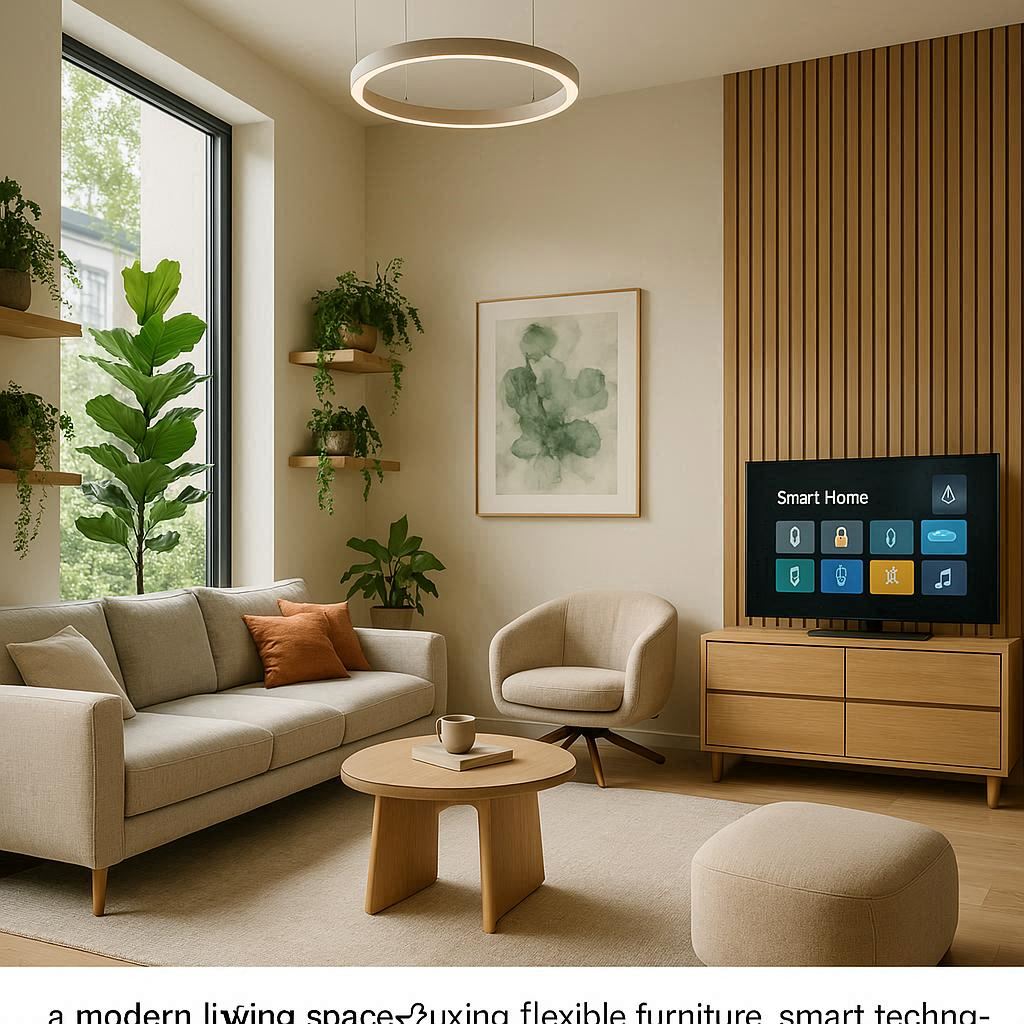
The concept of home has undergone a radical transformation in recent years, evolving from merely a place of shelter to a multifunctional sanctuary that adapts to our changing needs, values, and lifestyles. As we move through 2026, several powerful trends are reshaping residential spaces, blending technology with humanity, sustainability with style, and flexibility with functionality. This comprehensive analysis explores the most significant home design and lifestyle trends that are defining how we live, work, and connect within our personal spaces. From climate-responsive architecture to emotionally intelligent technology, these developments represent not just aesthetic shifts but fundamental changes in our relationship with the places we call home.
Article Directory:
- Adaptive Living Spaces
- Climate-Responsive Design
- Biophilic Integration
- Smart Home Evolution
- Sustainable Material Innovation
- Wellness-Centric Design
- Multi-Generational Living Solutions
1. Adaptive Living Spaces
The static home is becoming a relic of the past as flexible, convertible spaces take center stage in residential design.
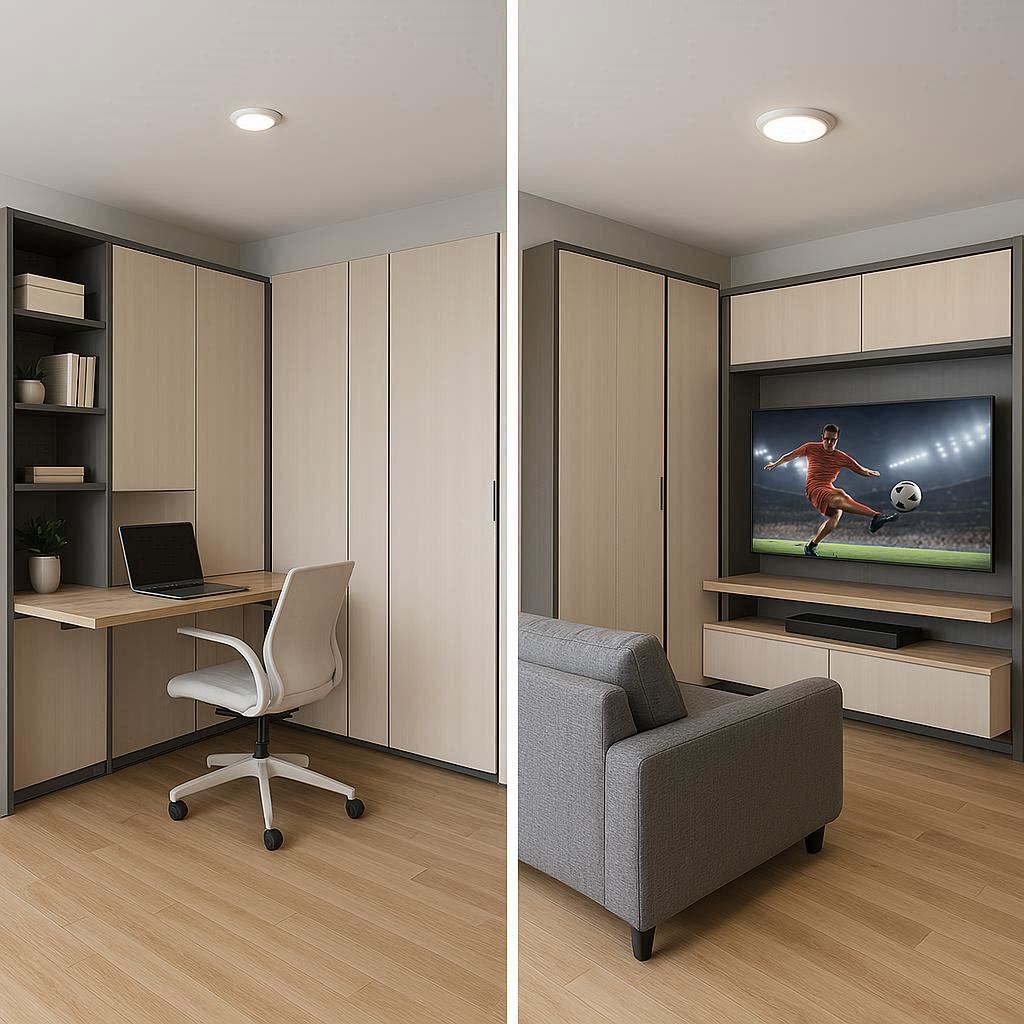
- Transformative Furniture: Modular furniture systems that serve multiple functions are replacing single-purpose pieces. Sofas that convert into home office setups, dining tables that expand for entertaining, and beds with integrated storage and workspace are becoming standard in modern homes.
- Movable Walls: Sliding and folding partition systems allow homeowners to reconfigure spaces instantly, transforming open areas into private zones as needed. These systems incorporate soundproofing technology while maintaining aesthetic appeal.
- Zone-Based Lighting: Advanced lighting systems create visual separation in open-plan spaces, using light to define areas for work, relaxation, and socializing without physical barriers.
- Technology Integration: Motorized systems allow effortless reconfiguration of spaces at the touch of a button, with preset arrangements for different activities throughout the day.
2. Climate-Responsive Design
Homes are increasingly being designed to work with local climate conditions rather than against them, reducing environmental impact while enhancing comfort.
- Passive House Principles: Super-insulated building envelopes, strategic window placement, and heat recovery ventilation systems maintain comfortable temperatures with minimal energy use. These homes require 80-90% less energy for heating and cooling compared to conventional construction.
- Regional Material Sourcing: Builders are prioritizing locally sourced materials that naturally perform well in regional climates, reducing transportation emissions and ensuring better compatibility with local weather conditions.
- Responsive Facades: Dynamic building exteriors that adjust to weather conditions, including automated shading systems, ventilated rainscreens, and thermal mass elements that regulate indoor temperatures naturally.
- Water Management Systems: Integrated systems capture, filter, and reuse rainwater for irrigation and non-potable uses, while permeable surfaces and green roofs manage stormwater runoff.
3. Biophilic Integration
The connection between indoor spaces and the natural world has moved from aesthetic consideration to essential design principle.
- Organic Materials: Natural stone, wood, and other organic materials are being used in their authentic forms, celebrating imperfections and natural variations rather than hiding them.
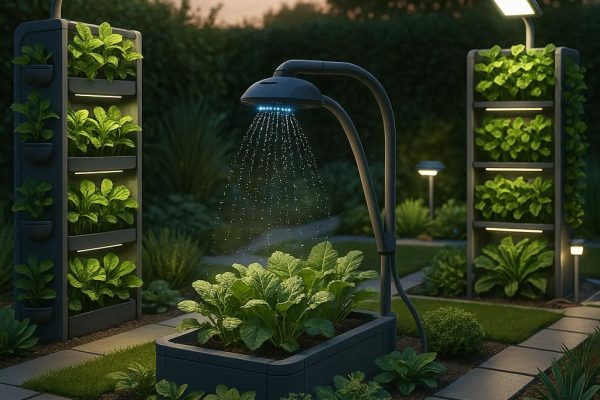
- Living Walls and Gardens: Interior green walls and integrated planters are becoming architectural features rather than afterthoughts, with automated watering systems making maintenance manageable.
- Natural Light Optimization: Advanced window technologies maximize natural light while controlling heat gain and loss. Light shelves and reflective surfaces distribute daylight deeper into interior spaces.
- Nature-Inspired Patterns: Biomimicry principles inform everything from textile patterns to architectural details, creating spaces that feel inherently connected to the natural world.
4. Smart Home Evolution
Home technology has evolved from novelty to necessity, with systems that anticipate needs rather than simply responding to commands.
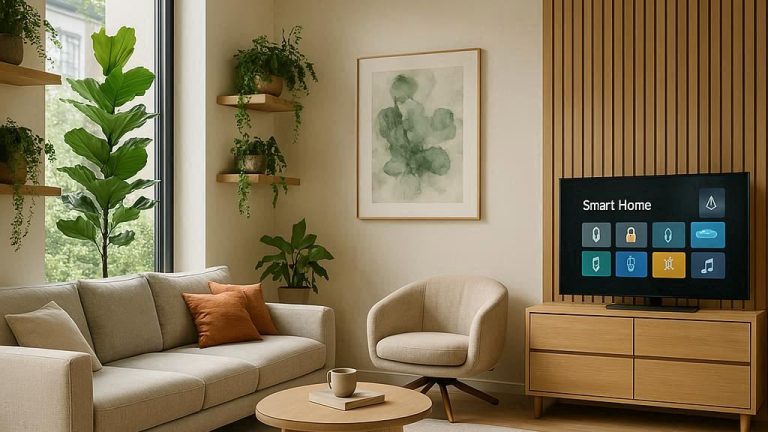
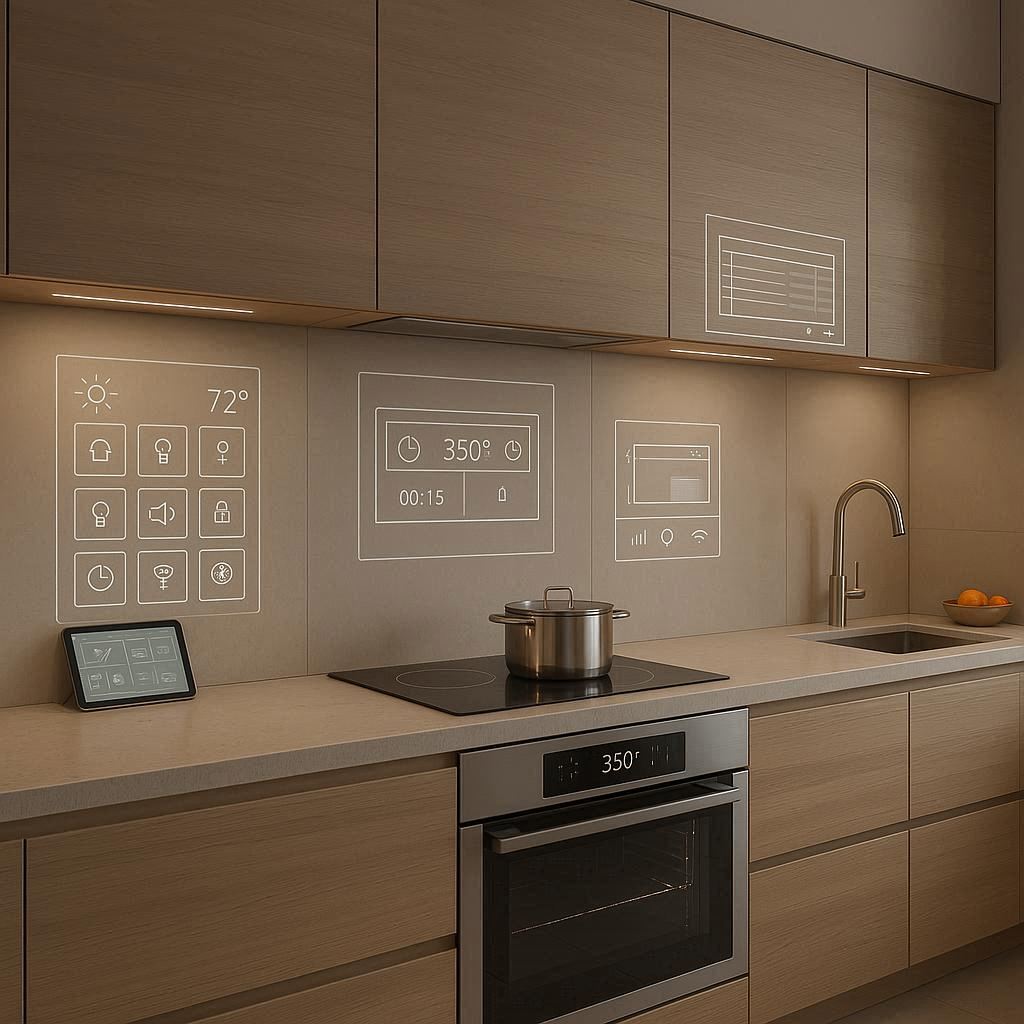
- Ambient Computing: Technology recedes into the background, with interfaces becoming invisible and intuitive. Voice, gesture, and predictive systems replace screens and manual controls.
- Integrated Wellness Monitoring: Homes now monitor air quality, water quality, and even occupants’ vital signs, providing recommendations for improving environmental conditions and personal health.
- Energy Intelligence: AI-powered systems optimize energy use across all home systems, learning patterns and preferences to minimize waste while maintaining comfort.
- Security Ecosystems: Comprehensive systems that integrate physical security, cyber protection, and privacy controls, all managed through unified interfaces that prioritize simplicity and reliability.
5. Sustainable Material Innovation
The materials used in our homes are undergoing a revolution, with sustainability becoming the primary driver of innovation.
- Carbon-Negative Materials: New composites made from agricultural waste, mycelium, and other bio-based materials actually sequester carbon dioxide, turning homes into carbon sinks.
- Recycled Content Integration: Products made from post-consumer and post-industrial waste are becoming mainstream, with manufacturers competing on recycled content percentages rather than hiding them.
- Circular Design Principles: Products are designed for disassembly and recycling at end of life, with manufacturers taking responsibility for reclaiming and repurposing materials.
- Local Material Sourcing: The provenance of materials has become as important as their performance, with homeowners preferring locally sourced options that support regional economies and reduce transportation emissions.
6. Wellness-Centric Design
Homes are being designed as active contributors to occupant health, incorporating features that support physical and mental wellbeing.
- Ergonomic Everything: From kitchen counters that adjust height at the touch of a button to bathrooms designed around universal design principles, homes are adapting to people rather than forcing people to adapt to homes.
- Circadian Lighting: Automated lighting systems that mimic natural daylight patterns, supporting healthy sleep-wake cycles and reducing eye strain.
- Air and Water Quality: Advanced filtration systems remove contaminants while adding beneficial minerals, with real-time monitoring that ensures optimal indoor environmental quality.
- Acoustic Comfort: Sound-absorbing materials and strategic layout planning create acoustically comfortable environments that reduce stress and enhance concentration.
7. Multi-Generational Living Solutions
Changing demographic patterns are driving demand for homes that accommodate multiple generations under one roof while preserving privacy and independence.
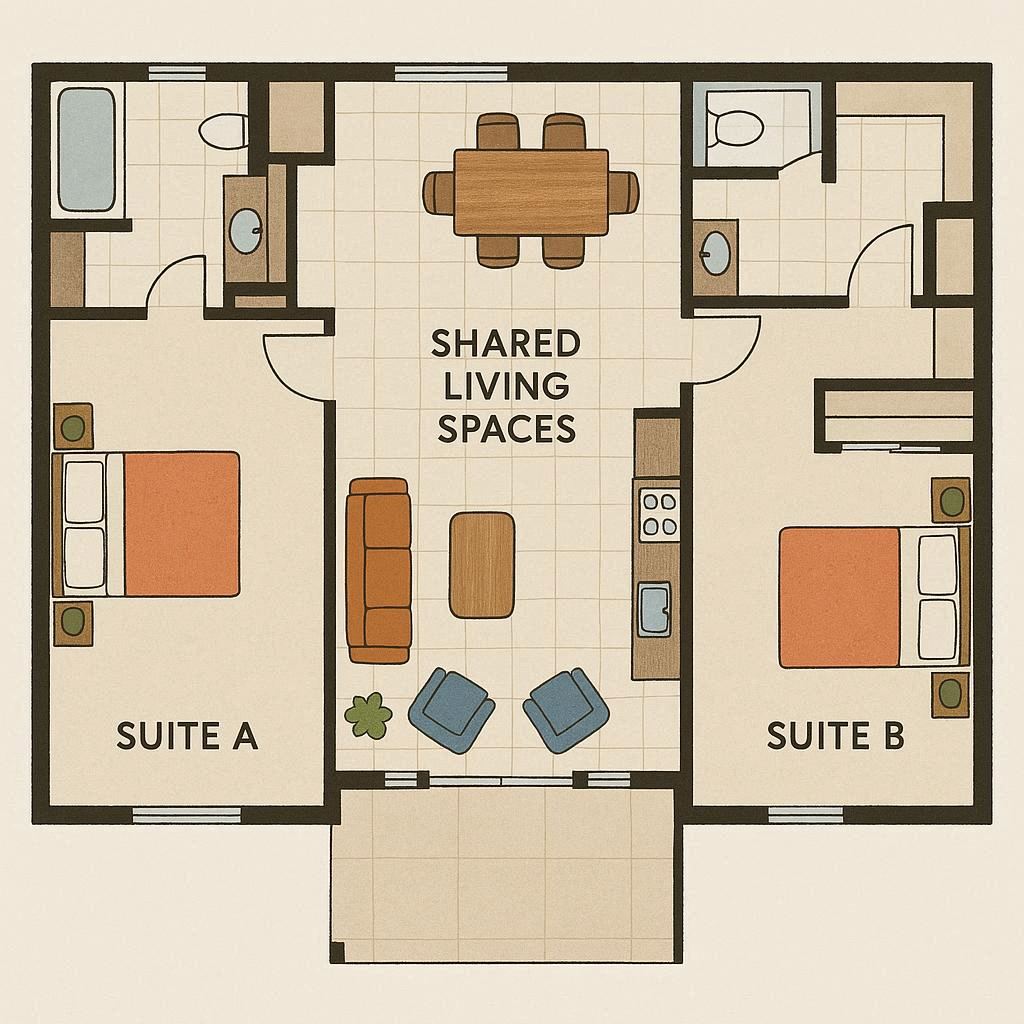
- Separate Suites: Self-contained living units with private entrances, kitchenettes, and living spaces allow multiple generations to coexist comfortably while maintaining independence.
- Universal Design: Features that make homes accessible to people of all ages and abilities, including zero-threshold showers, wider doorways, and adjustable countertops.
- Shared Spaces: Purpose-designed common areas that encourage interaction while respecting privacy needs, with soundproofing and separate circulation paths.
- Technology Bridges: Communication systems that connect separate units while maintaining privacy, including shared calendar systems, video calling setups, and emergency alert systems.
Conclusion: The Home as Living Ecosystem
The most significant trend emerging across all aspects of home design is the concept of the home as a living ecosystem—a dynamic, responsive environment that actively contributes to the wellbeing of its inhabitants and the planet. Today’s most forward-thinking homes are not just collections of rooms filled with furniture and technology, but integrated systems that balance human needs with environmental responsibility.
These trends reflect a broader cultural shift toward mindfulness, sustainability, and adaptability in how we approach our living spaces. The successful homes of the future will be those that can evolve with changing needs, technologies, and environmental conditions while maintaining their fundamental purpose as sanctuaries of comfort, connection, and security.
For homeowners, designers, and builders, these trends offer exciting opportunities to create spaces that are not only beautiful and functional but also responsible and resilient. By embracing these developments, we can create homes that enhance our quality of life while reducing our environmental footprint—spaces that truly represent the best of what modern living can be.