Table of Contents
- Introduction
- What Are Scale Insects?
- Identifying Scale Infestation
- Causes and Risk Factors
- Preventing Scale Insects
- Natural and Organic Treatments
- Chemical Treatment Options
- Maintaining Plant Health to Resist Pests
- Monitoring and Follow-Up
- Conclusion
1. Introduction
Scale insects are one of the most common pests affecting houseplants, garden plants, and fruit trees. Though small and slow-moving, they can cause significant damage by sucking sap from plants, leading to yellowing leaves, stunted growth, and even plant death if left untreated. Preventing and controlling scale infestations requires a combination of careful observation, proper plant care, and timely interventions.
This guide will help you understand, identify, prevent, and treat scale insects effectively while maintaining healthy plants.
2. What Are Scale Insects?
Scale insects belong to the order Hemiptera and are known for their protective waxy shells that cover their bodies. They vary in size, color, and shape, commonly appearing as small bumps on stems, leaves, and branches. There are two main types:
- Soft Scales: Produce a sticky substance called honeydew, which can lead to sooty mold growth.
- Hard Scales: Have a rigid shell, making them more resistant to removal and treatment.
Scale insects often go unnoticed until their populations increase, making early detection crucial for plant health.

3. Identifying Scale Infestation
Recognizing the signs of scale infestation is the first step to control:
- Bumps on Stems and Leaves: Small, round, or oval-shaped protrusions that do not move.
- Yellowing or Wilting Leaves: A sign that sap is being drained from the plant.
- Sticky Residue (Honeydew): Usually seen on leaves, attracting ants or promoting black mold.
- Premature Leaf Drop: Severe infestations can cause leaves to fall earlier than usual.
Use a magnifying glass to examine stems and leaf undersides, especially on young or new growth.
4. Causes and Risk Factors
Several factors make plants susceptible to scale insects:
- Overcrowded Plants: Poor air circulation encourages pests.
- Stressful Conditions: Overwatering, underwatering, or nutrient deficiencies weaken plants.
- Indoor Environments: Lack of natural predators indoors allows populations to grow unchecked.
- Imported Plants: Nursery plants may bring hidden infestations into your garden.
Understanding these factors can help you prevent infestations before they occur.
5. Preventing Scale Insects
Prevention is more effective than treatment:
- Regular Inspection: Check plants weekly for early signs of scale.
- Quarantine New Plants: Keep new plants separate for a few weeks to monitor for pests.
- Maintain Plant Health: Proper watering, pruning, and fertilization keep plants strong and resistant.
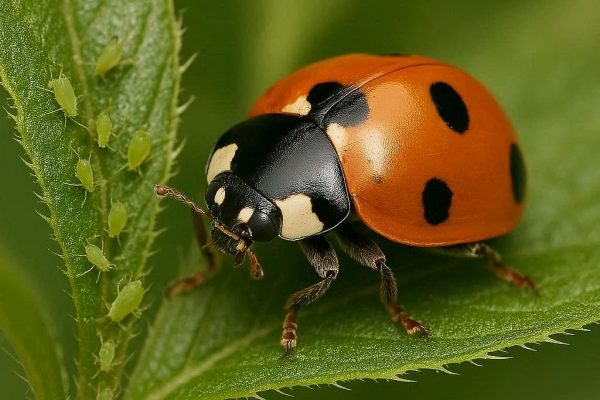
- Encourage Natural Predators: Ladybugs, parasitic wasps, and lacewings feed on scales.
- Avoid Overcrowding: Ensure adequate spacing and airflow between plants.
6. Natural and Organic Treatments
For mild infestations or sensitive plants, natural remedies are effective:
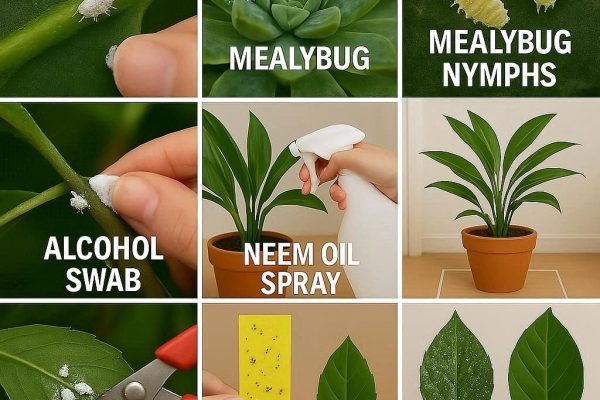
- Manual Removal: Gently scrape scales with a soft brush or cotton swab dipped in rubbing alcohol.
- Neem Oil: Works as both a repellent and growth inhibitor for eggs and nymphs.
- Insecticidal Soap: Safe for many plants, it disrupts the insect’s cell membranes.
- Horticultural Oils: Suffocates scale insects and eggs; best applied during dormant periods.
- Biological Control: Release predatory insects like ladybugs in outdoor gardens.
7. Chemical Treatment Options
For severe infestations, consider chemical interventions:
- Systemic Insecticides: Absorbed by the plant, targeting sap-feeding insects.
- Contact Sprays: Kill insects on contact; repeated applications may be necessary.
- Selective Pesticides: Target scale insects without harming beneficial insects.
Always follow label instructions carefully, and consider using chemicals as a last resort to minimize environmental impact.
8. Maintaining Plant Health to Resist Pests
Healthy plants are naturally more resistant:
- Proper Watering: Avoid overwatering or drought stress.
- Balanced Fertilization: Provide essential nutrients to strengthen plant defenses.
- Pruning: Remove infested or dead branches to reduce pest habitats.
- Sunlight: Ensure adequate light for optimal plant growth and vigor.
9. Monitoring and Follow-Up
Controlling scale insects requires ongoing attention:
- Regular Checks: Inspect plants weekly for new scales or signs of honeydew.
- Repeat Treatments: Multiple applications may be necessary to eliminate all life stages.
- Track Infestations: Keep notes of affected plants and treatment dates to prevent recurrence.
- Combine Methods: Use mechanical, biological, and chemical methods together for best results.
10. Conclusion
Scale insects can be a persistent problem, but with proper prevention, early detection, and effective treatment strategies, your plants can thrive pest-free. Combining good plant care practices with natural or chemical interventions ensures long-term plant health and reduces the likelihood of future infestations.