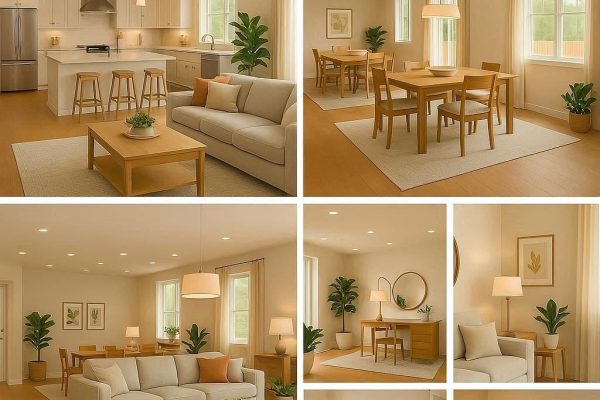
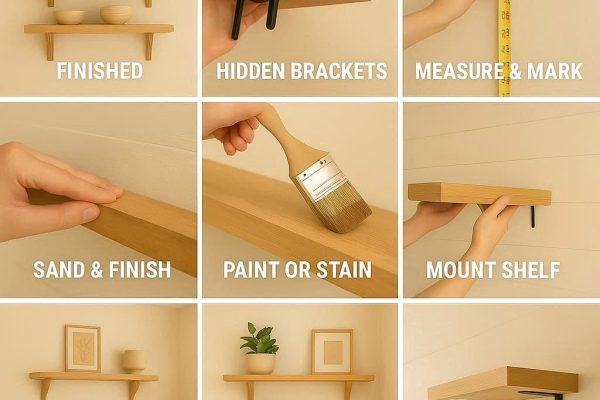
Your home is a canvas for self-expression, and the design style you choose sets the tone for your entire living experience. Whether you’re drawn to the clean lines of modern minimalism or the cozy charm of rustic decor, understanding different design styles is the first step to creating a space that truly reflects your personality. This comprehensive guide explores some of the most popular interior design aesthetics, helping you identify which elements resonate with you and how to incorporate them into your home. Discover how to define your unique style identity and create a cohesive look that brings you joy every day.
Article Directory:
- Scandinavian: Light, Airy and Functional
- Modern Farmhouse: Rustic Charm Meets Comfort
- Mid-Century Modern: Retro Elegance
- Industrial: Raw and Edgy Urban Appeal
- Bohemian: Eclectic and Free-Spirited
- Coastal: Relaxed Beach-Inspired Living
- How to Find and Mix Your Personal Style
1. Scandinavian: Light, Airy and Functional
Scandinavian design emerged from Nordic countries where daylight is precious during long winters. This style prioritizes functionality, simplicity, and connection to nature through minimalism and warmth.
- Key Elements: Light color palettes (whites, grays, soft neutrals), natural light maximization, natural materials (light wood, wool, leather), clean lines, and clutter-free spaces.
- Furniture Characteristics: Functional pieces with simple silhouettes, often with tapered legs. Multi-functional furniture is common in smaller spaces.
- Textiles and Accessories: Layered textures (sheepskin throws, chunky knits, woven rugs), minimalist decor, and plenty of greenery for life and color.

2. Modern Farmhouse: Rustic Charm Meets Comfort
Modern farmhouse style blends the cozy, rustic elements of traditional farmhouses with clean, contemporary lines. It creates warm, inviting spaces that feel both lived-in and stylish.
- Key Elements: Shiplap walls, apron-front sinks, mixed materials, neutral color palettes with black accents, and comfortable, family-friendly furnishings.
- Furniture Characteristics: Reclaimed wood tables, vintage finds, comfortable upholstered pieces, and industrial elements like metal lighting fixtures.
- Textiles and Accessories: Farmhouse sinks, open shelving, galvanized metal accents, vintage signs, and comfortable textiles in natural fibers.
3. Mid-Century Modern: Retro Elegance
Popularized in the mid-20th century, this style remains timeless for its clean lines, organic forms, and seamless integration with nature. It celebrates the post-war optimism and innovation in design.
- Key Elements: Organic shapes, clean lines, minimal ornamentation, functionality, and integration with nature through large windows and indoor-outdoor living.
- Furniture Characteristics: Tapered legs, sleek silhouettes, iconic pieces like Eames chairs, Nelson lamps, and walnut finishes.
- Textiles and Accessories: Geometric patterns, atomic designs, bold colors used as accents (mustard yellow, avocado green, orange), and abstract art.

4. Industrial: Raw and Edgy Urban Appeal
Inspired by converted warehouses and urban lofts, industrial style embraces raw, unfinished elements that showcase a building’s structural skeleton. It’s perfect for those who appreciate an edgy, urban aesthetic.
- Key Elements: Exposed brick, ductwork and pipes, concrete floors, steel beams, open floor plans, and high ceilings.
- Furniture Characteristics: Reclaimed wood, metal furniture, distressed leather, functional pieces with mechanical elements visible.
- Textiles and Accessories: Edison bulb lighting, factory-style windows, metal shelving units, and minimal accessories that maintain the raw aesthetic.
5. Bohemian: Eclectic and Free-Spirited
Bohemian style rejects strict rules in favor of personal expression and global influences. It’s layered, colorful, and patterns-rich, reflecting a free-spirited, well-traveled lifestyle.
- Key Elements: Rich colors and patterns, global-inspired decor, layered textiles, natural elements, and personal collections.
- Furniture Characteristics: Low-level seating (floor cushions, poufs), vintage and handmade pieces, mixed materials and eras.
- Textiles and Accessories: Macrame wall hangings, Persian rugs, embroidered textiles, plants (especially hanging varieties), and collections of art objects.
6. Coastal: Relaxed Beach-Inspired Living
Coastal design evokes the relaxed feeling of being by the sea. While often associated with blue and white color schemes, modern coastal style embraces a more sophisticated, natural approach.
- Key Elements: Light, airy spaces, natural light, weathered finishes, nautical references (used sparingly), and organic materials.
- Furniture Characteristics: Wicker and rattan furniture, washed wood finishes, comfortable slipcovered furniture, and light-colored woods.
- Textiles and Accessories: Natural fiber rugs (jute, sisal), blue and white color schemes, sea glass accents, driftwood decor, and striped patterns.

7. How to Find and Mix Your Personal Style
Most homes don’t adhere strictly to one design style but rather create a unique blend that reflects the homeowner’s personality. Here’s how to discover and combine styles effectively:
- Create an Inspiration Board: Collect images of spaces you love without overthinking why. Look for patterns in colors, materials, and overall feeling.
- Identify Common Threads: Notice what repeats across your saved images – certain colors, furniture styles, or materials that consistently appeal to you.
- Start with Neutrals: Use walls and larger furniture pieces in neutral tones that work across styles, then add personality with accessories and accent pieces.
- Mix Thoughtfully: Combine styles by balancing elements – pair modern furniture with vintage accessories, or industrial lighting with soft textiles. Limit yourself to 2-3 main styles for cohesion.
- Choose a Unifying Element: Use color, material, or finish to create continuity throughout different styled pieces.
Conclusion: Create a Home That Tells Your Story
Your personal design style should evolve with you and reflect your experiences, tastes, and lifestyle. Don’t feel pressured to strictly follow any particular style; instead, use these categories as inspiration to help identify what you’re naturally drawn to. The most successful spaces are those that feel authentic to the people who live in them. Whether you prefer the minimalist appeal of Scandinavian design, the warmth of modern farmhouse, or the eclectic mix of bohemian style, embrace what makes you feel most at home. Start with one room, incorporate elements you love, and allow your space to develop organically into a true reflection of your unique story.