Table of Contents
- Introduction
- Why Start a Vegetable Garden?
- Choosing the Best Location
- Preparing the Soil
- Step-by-Step Guide to Planting Vegetables
- Watering and Fertilizing Tips
- Natural Pest Control Methods
- Seasonal Vegetable Gardening Ideas
- Harvesting and Storing Vegetables
- Conclusion
Introduction
Vegetable gardening is one of the most rewarding hobbies you can start. Not only does it provide fresh, organic food, but it also helps you live more sustainably. Whether you have a large backyard or just a small balcony, learning how to grow vegetables at home is easier than you think.
This article covers everything from soil preparation to harvesting, offering practical steps, easy tips, and beginner-friendly advice.

1. Why Start a Vegetable Garden?
Starting a vegetable garden comes with many benefits:
- Healthier Eating – Fresh vegetables are packed with nutrients.
- Cost Savings – Growing your own food reduces grocery bills.
- Sustainability – Helps reduce carbon footprint.
- Stress Relief – Gardening is a relaxing outdoor activity.

2. Choosing the Best Location
Location is key to a successful garden.
Factors to Consider:
- Sunlight – Most vegetables need at least 6–8 hours of direct sunlight.
- Water Access – Make sure the spot is close to a water source.
- Soil Quality – Rich, well-draining soil works best.
- Space – Even a balcony or containers can work for small gardens.

3. Preparing the Soil
Healthy soil is the foundation of any thriving vegetable garden.
Steps to Prepare Soil:
- Test the Soil – Check pH and nutrients with a home kit.
- Add Organic Compost – Improves fertility and texture.
- Remove Weeds – Clear out competing plants.
- Loosen Soil – Use a garden fork for better root growth.

4. Step-by-Step Guide to Planting Vegetables
Here’s how to get started with planting:
- Choose Easy Vegetables – Tomatoes, lettuce, cucumbers, and carrots are beginner-friendly.
- Follow Seed Instructions – Check depth and spacing on seed packets.
- Label Rows – Helps track what you planted and when.
- Cover and Water – Gently cover seeds with soil and water evenly.

5. Watering and Fertilizing Tips
Vegetables need consistent care.
Watering Tips:
- Water deeply, not just the surface.
- Morning watering is best to avoid evaporation.
- Use mulch to keep soil moist.
Fertilizer Tips:
- Use organic compost or natural fertilizers.
- Avoid over-fertilizing, which can harm plants.
- Choose fertilizers rich in nitrogen for leafy greens, and potassium for root crops.

6. Natural Pest Control Methods
Pests are a common challenge, but you can control them naturally.
Simple Solutions:
- Neem Oil Spray – Safe and effective for many pests.
- Companion Planting – Marigolds repel harmful insects.
- Handpicking – Remove caterpillars and beetles manually.
- Garlic Spray – Natural insect repellent.

7. Seasonal Vegetable Gardening Ideas
Different vegetables thrive in different seasons.
Spring Vegetables:
- Lettuce, spinach, radishes, peas.
Summer Vegetables:
- Tomatoes, cucumbers, zucchini, peppers.
Fall Vegetables:
- Broccoli, kale, carrots, cabbage.
Winter Vegetables (for mild climates):
- Garlic, onions, winter lettuce.

8. Harvesting and Storing Vegetables
Harvesting at the right time makes all the difference.
Tips for Harvesting:
- Pick leafy greens when young and tender.
- Harvest root crops like carrots when they reach ideal size.
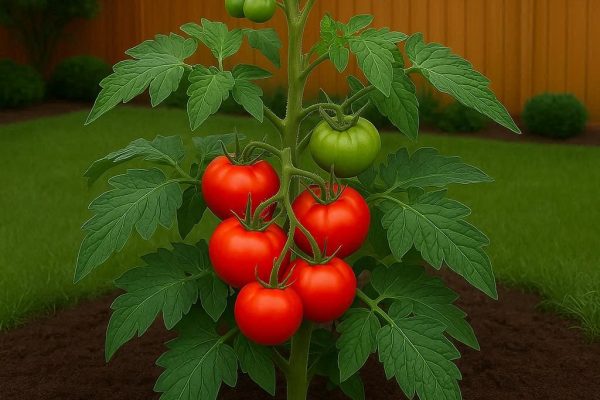
- Collect tomatoes when they turn fully red.
Storing Vegetables:
- Store leafy greens in the fridge wrapped in damp paper towels.
- Root crops can be stored in cool, dark areas.
- Freeze surplus harvest for long-term use.

9. Conclusion
Vegetable gardening is both practical and enjoyable. With the right location, healthy soil, and consistent care, anyone can grow fresh vegetables at home.
Whether you’re starting small with containers or planning a large garden bed, these how-to steps will guide you from planting to harvest. Over time, you’ll gain confidence, expand your garden, and enjoy the rewards of eating your own homegrown food.