
Table of Contents
- Introduction to Gardening Basics
- Benefits of Starting a Garden
- Choosing the Right Location
- Preparing the Soil
- Selecting Plants for Beginners
- Planting Step by Step
- Watering and Fertilizing Basics
- Weed and Pest Control
- Seasonal Gardening Tips
- Conclusion
1. Introduction to Gardening Basics
Gardening is both an art and a science — a practice that connects people with nature while improving homes and lifestyles. Whether you dream of a vegetable patch, a flower bed, or a container garden, learning the gardening basics for beginners is the first step toward success.
Searches like “how to start a small garden,” “easy gardening tips at home,” and “step by step gardening guide” are trending worldwide, showing that more people want to learn how to grow plants simply and effectively.

2. Benefits of Starting a Garden
Before digging in, let’s explore why gardening is worth your time:
- Health Benefits: Fresh air, physical activity, and stress relief.
- Fresh Produce: Homegrown vegetables and herbs are healthier and tastier.
- Eco-Friendly: Reduces carbon footprint and promotes biodiversity.
- Aesthetic Value: Gardens beautify homes and outdoor spaces.
- Family Bonding: Great activity to share with children and loved ones.
3. Choosing the Right Location
Location is everything in gardening. Here’s what to consider:
- Sunlight: Most plants need at least 6–8 hours of sunlight daily.
- Soil Quality: Rich, well-drained soil supports healthy roots.
- Accessibility: Choose a spot that’s easy to water and maintain.
- Protection: Avoid areas exposed to strong winds or flooding.
💡 Pro Tip: If you have limited space, start with containers or balcony gardening.

4. Preparing the Soil
Healthy soil is the foundation of a thriving garden. Steps include:
- Clear the Area: Remove weeds, rocks, and debris.
- Loosen the Soil: Use a spade or tiller to improve aeration.
- Add Organic Matter: Compost or manure enriches nutrients.
- Check pH Levels: Most plants thrive in slightly acidic to neutral soil (pH 6–7).

5. Selecting Plants for Beginners
Not all plants are equal when it comes to ease of care. Here are easy plants for first-time gardeners:
- Vegetables: Tomatoes, lettuce, radishes, zucchini.
- Herbs: Basil, mint, parsley, chives.
- Flowers: Marigolds, sunflowers, zinnias, pansies.
- Low-Maintenance Options: Succulents and hardy perennials.

6. Planting Step by Step
Here’s a simple step-by-step gardening guide for planting:
- Read Seed Packets: Follow depth and spacing instructions.
- Dig Holes: Small for seeds, larger for seedlings.
- Place Seeds or Plants: Gently cover with soil.
- Water Gently: Keep soil moist but not soggy.
- Label Rows: Helps you track what you planted.

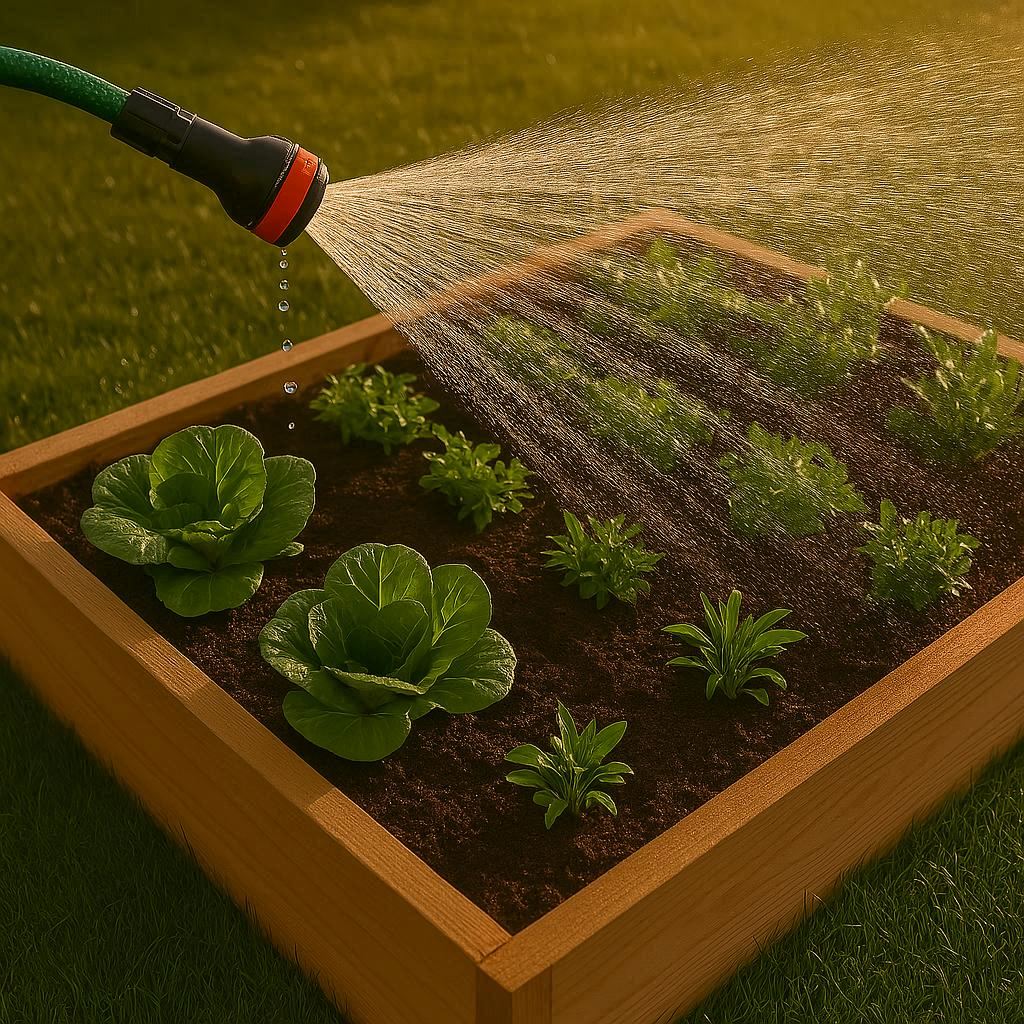
7. Watering and Fertilizing Basics
Water and nutrients are key to plant survival.
- Watering:
- Early morning or late evening is best.
- Deep watering encourages strong roots.
- Fertilizing:
- Use organic compost or balanced fertilizer.
- Avoid over-fertilizing, which can burn plants.
8. Weed and Pest Control
Weeds and pests are every gardener’s challenge, but they can be managed:
- Weed Control: Mulch the soil to block sunlight.
- Hand Weeding: Regularly remove weeds before they spread.
- Natural Pest Control:
- Encourage ladybugs for aphids.
- Use neem oil sprays for general pests.
- Plant marigolds as natural pest deterrents.

9. Seasonal Gardening Tips
Gardening is not the same year-round. Adapt to the seasons:
- Spring: Start seeds indoors, plant cool-weather crops.
- Summer: Focus on watering, harvest vegetables.
- Autumn: Plant bulbs, prepare compost, clean beds.
- Winter: Protect plants with mulch or covers, plan next year’s garden.

10. Conclusion
Gardening doesn’t need to be overwhelming. By following the gardening basics for beginners — choosing the right spot, preparing soil, planting step by step, and caring for plants — you can create a healthy and rewarding green space.
Whether you’re starting with a small garden at home or dreaming of a lush backyard oasis, consistent care and patience will help your garden thrive. So, grab a spade, plant a seed, and enjoy the journey toward a greener life.


