Table of Contents
- Introduction
- The Impact of Rising Temperatures on Plant Growth
- Shifts in Plant Hardiness Zones
- Changing Rainfall Patterns and Water Management
- Sustainable Gardening Practices for a Changing Climate
- The Role of Native and Drought-Resistant Plants
- The Future of Gardening in a Warmer World
- Conclusion
Introduction
Climate change is no longer a distant concern—it’s reshaping our backyards and gardens today. From shifting growing seasons to unpredictable weather patterns, gardeners worldwide are adapting to survive and thrive under new environmental conditions. This article explores how climate change is influencing modern gardening practices, offering actionable insights and inspiring strategies to make your garden resilient, sustainable, and beautiful in the face of global warming.
The Impact of Rising Temperatures on Plant Growth
Warmer temperatures have both benefits and challenges for gardeners. Longer growing seasons mean you can plant earlier and harvest later, but they also bring heat stress, pest infestations, and faster soil drying.
In many regions, traditional cool-weather crops like lettuce or broccoli now struggle in midsummer, while warm-weather plants such as peppers and tomatoes flourish. Gardeners must now plan planting schedules with greater flexibility and consider shade covers, mulch layers, and heat-tolerant species to cope with temperature extremes.
Shifts in Plant Hardiness Zones
The USDA and other global gardening authorities have updated plant hardiness zone maps, reflecting warmer climates in many regions. Areas that were once Zone 6 may now be closer to Zone 7, allowing new plant varieties to grow where they couldn’t before.
However, this also means traditional local plants may struggle, while invasive species and pests may expand their territories. For instance, southern magnolias are now found as far north as New York, and certain beetles and aphids are surviving through previously harsh winters.
Gardeners can use updated hardiness maps to choose suitable plants and protect vulnerable species from unexpected cold snaps or heat waves.
Changing Rainfall Patterns and Water Management
One of the most visible effects of climate change is the unpredictability of rainfall—some areas face prolonged droughts, while others experience frequent flooding. As a result, water management has become central to modern gardening.
Techniques such as:
- Installing rain barrels to capture and reuse rainwater
- Using drip irrigation systems to reduce water waste
- Creating rain gardens that absorb runoff naturally
These strategies help conserve water while maintaining healthy, green landscapes. Additionally, amending soil with compost improves its ability to retain moisture, an essential practice in arid climates.
Sustainable Gardening Practices for a Changing Climate
The rise of eco-conscious gardening reflects the growing awareness of environmental impact. Gardeners are now focusing on reducing carbon footprints by:
- Composting organic waste instead of using synthetic fertilizers
- Using electric or manual garden tools instead of gas-powered ones
- Planting trees and shrubs that sequester carbon naturally
These sustainable choices not only support local biodiversity but also help mitigate climate change effects directly within our green spaces.
The Role of Native and Drought-Resistant Plants
Native plants are becoming the cornerstone of climate-resilient gardens. They are adapted to local soils, temperatures, and rainfall patterns, requiring less maintenance and water than exotic species.
Drought-resistant plants, such as lavender, sage, and ornamental grasses, are excellent choices for water-scarce regions. Pairing them with mulch and gravel designs not only reduces evaporation but also adds a modern, aesthetic appeal to gardens.
Gardeners embracing xeriscaping—a landscaping method that reduces or eliminates the need for irrigation—are leading the way toward sustainable beauty.
The Future of Gardening in a Warmer World
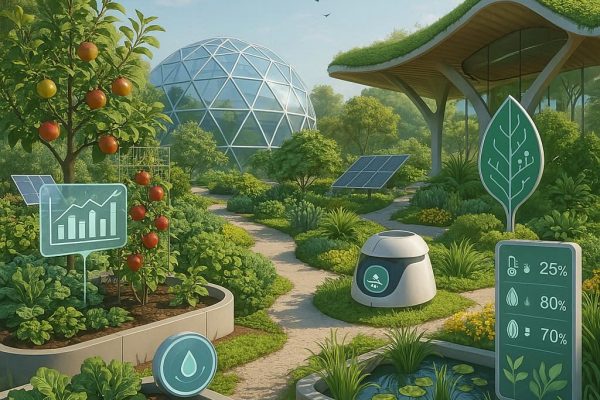
Looking ahead, the garden of the future will be more adaptive, tech-driven, and sustainable. Innovations like smart irrigation systems, soil sensors, and AI-based weather forecasting apps will guide gardeners to make data-driven decisions.
Community gardens are also likely to become key centers for sharing knowledge, seeds, and eco-friendly practices. The next generation of gardeners is already combining traditional wisdom with digital tools to create gardens that not only survive climate change—but help fight it.
Conclusion
Climate change poses real challenges to the way we garden—but it also opens the door to innovation and sustainability. By understanding shifting weather patterns, using native and drought-tolerant plants, and adopting sustainable practices, we can create gardens that flourish even in a changing climate. The key lies in adaptation, awareness, and a deep respect for the environment that sustains us all.
SEO long-tail suggestions:
how climate change affects gardening practices, sustainable gardening for climate change, drought-resistant garden plants, how to garden in hot climates, eco-friendly gardening trends, native plants for dry regions, water conservation tips for gardeners, changing plant hardiness zones, future of gardening and climate change, adapting gardens to global warming
Image suggestions:
gardeners adapting to hot weather, rainwater collection setup, updated hardiness zone map, xeriscape garden with drought-tolerant plants, composting area in backyard, smart irrigation system in modern garden, thriving eco-friendly backyard