Table of Contents
- Introduction
- Understanding Biophilic Design
- Benefits of Incorporating Nature Indoors
- Key Elements of Biophilic Design
- Indoor Plants and Green Walls
- Natural Materials and Textures
- Maximizing Natural Light
- Water Features and Soundscapes
- Case Studies and Examples
- Practical Tips for Your Home
- Conclusion
1. Introduction
Biophilic design is a growing trend in home decor and architecture, emphasizing the connection between humans and nature. By bringing natural elements indoors, you can create healthier, more relaxing, and visually inspiring spaces. This design approach not only enhances aesthetics but also improves mood, productivity, and overall well-being. From lush indoor plants to natural textures and water features, biophilic design is transforming modern homes into sanctuaries that foster harmony and balance.
2. Understanding Biophilic Design
Biophilic design goes beyond simply adding houseplants. It’s a design philosophy that integrates nature into architecture and interior spaces. The term “biophilia” refers to humans’ innate attraction to nature. This approach considers both visual and sensory connections to the natural world, including sight, sound, smell, and touch. Biophilic design can be applied in living rooms, kitchens, bedrooms, and even bathrooms, creating immersive, nature-inspired environments throughout the home.
3. Benefits of Incorporating Nature Indoors
Integrating biophilic design in your home offers a wide range of benefits:
- Improved Mental Health: Exposure to natural elements reduces stress and anxiety.
- Enhanced Productivity: Studies show that natural light and greenery improve focus and creativity.
- Better Air Quality: Indoor plants filter pollutants and improve oxygen levels.
- Aesthetic Appeal: Natural textures, colors, and materials make interiors more inviting.
4. Key Elements of Biophilic Design
Successful biophilic design combines several key elements:
- Direct Experience of Nature: Indoor plants, water features, and natural light.
- Indirect Experience of Nature: Natural materials, organic patterns, and artwork inspired by nature.
- Spatial Design: Open spaces, curved lines, and connection to outdoor views.
- Sensory Engagement: Incorporating scents, sounds, and textures from nature.
5. Indoor Plants and Green Walls
Plants are the cornerstone of biophilic design:
- Houseplants: Fiddle leaf figs, snake plants, and peace lilies are popular choices for homes.
- Green Walls: Vertical gardens maximize greenery in small spaces and act as visual focal points.
- Herb Gardens: Functional and aesthetic, adding greenery to kitchens and living areas.
- Planter Arrangements: Grouping plants at different heights creates depth and visual interest.
6. Natural Materials and Textures
Using natural materials enhances the sensory connection to nature:
- Wood and Bamboo: Flooring, furniture, and wall panels bring warmth and texture.
- Stone and Clay: Countertops, tiles, and decorative accents add earthy tones.
- Textiles: Linen, cotton, jute, and wool create tactile comfort and natural appeal.
- Patterns: Organic, flowing lines and motifs inspired by plants and water evoke natural beauty.
7. Maximizing Natural Light
Light is a critical element in biophilic design:
- Large Windows: Invite sunlight and provide outdoor views.
- Skylights: Introduce natural light into darker rooms or central areas.
- Glass Doors: Sliding doors or French doors connect interior and exterior spaces.
- Reflective Surfaces: Mirrors and light-colored surfaces amplify daylight.
8. Water Features and Soundscapes
Incorporating water and natural sounds enhances relaxation:
- Indoor Fountains: Small tabletop or wall-mounted fountains add soothing sounds.
- Aquariums: Combine visual appeal with calming water movement.
- Water Walls: Larger installations can act as dramatic focal points.
- Nature Sounds: Audio systems can simulate rainfall, birdsong, or ocean waves for a calming environment.
9. Case Studies and Examples
Several modern homes showcase biophilic principles:
- Urban Apartments: Use vertical gardens and potted plants to soften concrete environments.
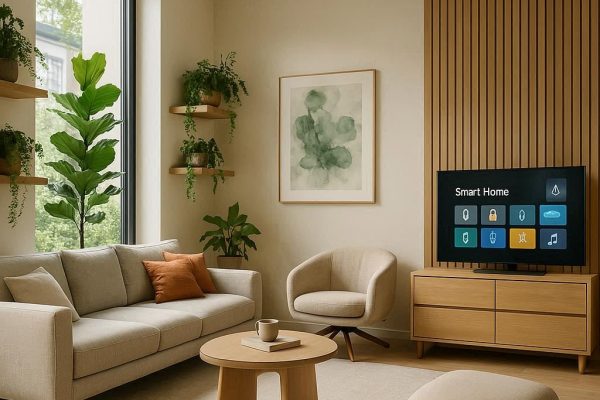
- Living Room Focus: Floor-to-ceiling windows paired with natural wood flooring create spacious, light-filled interiors.
- Bathrooms and Kitchens: Indoor herb gardens, stone sinks, and skylights integrate natural elements into functional spaces.
- Offices at Home: Green partitions, natural textures, and water features enhance productivity and comfort.
10. Practical Tips for Your Home
Applying biophilic design doesn’t require a complete renovation:
- Start with houseplants in your favorite rooms.
- Add wooden or stone accents to furniture and decor.
- Use mirrors and glass to reflect natural light.
- Introduce water features or soundscapes for a calming effect.
- Blend textures and colors inspired by nature for visual harmony.
11. Conclusion
Biophilic design is more than a trend—it’s a lifestyle choice that promotes health, well-being, and connection to nature. By thoughtfully incorporating plants, natural materials, light, and water, you can transform any home into a sanctuary that nurtures both body and mind. Whether in urban apartments or suburban homes, bringing nature indoors enhances beauty, comfort, and a sense of balance, creating spaces that feel alive and restorative.
SEO long-tail suggestions:
biophilic design home ideas, bringing nature indoors, indoor plants interior design, natural materials home decor, affordable biophilic design, modern nature-inspired interiors, green walls for small spaces
Image Suggest Texts:
Living room with large windows and indoor plants, vertical green wall in apartment, wooden and stone interior accents, sunlit kitchen with herb garden, tabletop indoor fountain, bedroom with natural textures and flowing lines, modern bathroom with skylight and plants, home office with greenery and natural light, cozy corner with woven textiles and plant arrangement