Table of Contents
- Introduction
- Understanding Climate Change and Its Urban Effects
- Shifts in Planting Seasons and Crop Selection
- Adapting Soil and Water Management
- Urban Gardening Techniques for a Changing Climate
- Community Engagement and Education
- Innovative Tools and Technology
- Case Studies of Climate-Resilient Urban Gardens
- Conclusion
1. Introduction
Urban gardening has become increasingly popular as city dwellers seek sustainable food sources, green spaces, and stress relief. However, climate change is reshaping the way urban gardeners plan and maintain their gardens. From fluctuating temperatures to unpredictable rainfall patterns, climate change challenges traditional urban gardening practices. This article explores how gardeners are adapting, the emerging trends, and strategies to maintain healthy, productive urban gardens despite climate uncertainties.
2. Understanding Climate Change and Its Urban Effects
Climate change is influencing urban environments in various ways:
- Temperature Fluctuations: Increased heat waves affect plant growth and water demand.
- Extreme Weather Events: Flooding and storms can damage gardens and infrastructure.
- Air Quality and Pollution: Rising pollutants affect plant health and crop yields.
- Urban Heat Islands: Concrete-heavy cities amplify warming, requiring specific plant choices.
Understanding these challenges is crucial for urban gardeners to adjust planting schedules, select resilient crops, and implement sustainable gardening practices.
3. Shifts in Planting Seasons and Crop Selection
Changes in climate patterns have altered traditional planting calendars:
- Earlier Springs and Longer Summers: Some crops can now be planted earlier or harvested multiple times a year.
- Heat-Tolerant Varieties: Vegetables like okra, sweet potatoes, and drought-resistant herbs are gaining popularity.
- Season Extension Techniques: Using row covers, cold frames, and shaded areas helps manage temperature extremes.
- Pest and Disease Considerations: Warmer climates allow new pests and pathogens to thrive, affecting crop selection.
Gardeners must stay informed about regional climate trends to optimize planting success.
4. Adapting Soil and Water Management
Soil and water are central to urban gardening resilience:
- Soil Health: Adding organic matter and compost improves water retention and fertility.
- Rainwater Harvesting: Collecting and storing rainwater helps counter inconsistent rainfall.
- Efficient Irrigation: Drip systems and soaker hoses reduce water waste and target roots directly.
- Mulching: Organic mulches conserve moisture, regulate soil temperature, and suppress weeds.
Adapting these practices helps urban gardens survive increasingly erratic weather conditions.
5. Urban Gardening Techniques for a Changing Climate
Gardeners are adopting innovative techniques to cope with climate change:
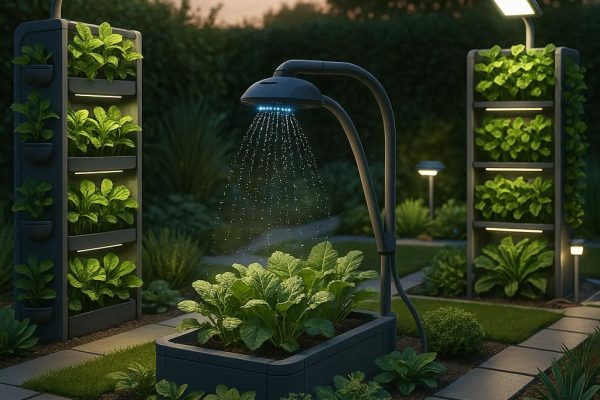
- Vertical Gardening: Maximizes space and can protect sensitive plants from extreme temperatures.
- Container Gardening: Portable planters allow flexibility in sunlight exposure and protection during heatwaves.
- Green Roofs and Community Gardens: Reduce urban heat islands while supporting local food production.
- Permaculture Principles: Focus on sustainable, resilient ecosystems that minimize human intervention.
These methods are essential for urban gardeners facing limited space and challenging environmental conditions.
6. Community Engagement and Education
Climate-resilient gardening often requires collective action:
- Workshops and Seminars: Educate residents on drought-tolerant plants, soil improvement, and pest control.
- Seed Sharing Programs: Encourage biodiversity and adaptation by exchanging climate-resilient plant varieties.
- Community-Led Projects: Urban farms and gardens strengthen local food security while fostering social connections.
- Online Resources and Platforms: Digital tools allow gardeners to track climate patterns and share best practices.
Community involvement enhances knowledge transfer and ensures long-term sustainability.
7. Innovative Tools and Technology
Technology is helping urban gardeners adapt to climate change:
- Smart Irrigation Systems: Sensors optimize water usage based on soil moisture and weather forecasts.
- Climate Monitoring Apps: Provide real-time updates on temperature, rainfall, and humidity.
- Automated Greenhouses: Controlled environments protect plants from extreme weather.
- Data-Driven Planning: Urban gardeners use predictive analytics to choose resilient crops and planting times.
Integrating technology with traditional gardening practices strengthens urban gardens against climate stressors.
8. Case Studies of Climate-Resilient Urban Gardens
Examples demonstrate successful adaptation strategies:
- Rooftop Gardens in New York City: Implementing green roofs and drought-resistant plants reduced energy consumption and urban heat.
- Community Gardens in Melbourne: Rainwater harvesting and permaculture techniques sustained local vegetable production during drought periods.
- Tokyo Vertical Farms: Indoor vertical gardens protect crops from typhoons while maximizing yield per square meter.
- Toronto Neighborhood Initiatives: Workshops on climate-smart gardening increased community engagement and local biodiversity.
These cases highlight practical approaches that urban gardeners can adopt globally.
9. Conclusion
Climate change is reshaping urban gardening, creating challenges but also opportunities for innovation. Gardeners are embracing resilient crop selection, adaptive soil and water management, innovative techniques, and community collaboration to sustain urban gardens in the face of unpredictable weather. By staying informed and adopting climate-smart practices, urban gardening can continue to provide green spaces, local food, and social benefits, even in rapidly changing climates.
SEO long-tail suggestions:
climate change impact on urban gardening, urban gardening climate adaptation, sustainable city gardening practices, drought-tolerant urban plants, climate-smart urban gardening techniques, community urban gardens adaptation
Image Suggest Texts:
Urban rooftop garden with drought-tolerant plants, community garden in city environment, gardener watering container plants during heatwave, vertical garden in apartment balcony, rainwater harvesting system in urban garden, smart irrigation sensors in city garden, urban farmers planting in raised beds, city skyline with green roofs, children participating in community urban garden workshops