Table of Contents
- Introduction
- Understanding Plant Water Needs
- Signs of Overwatering
- Signs of Underwatering
- Best Practices for Watering Plants
- Choosing the Right Watering Method
- Watering Schedules for Different Plants
- Tips for Soil and Drainage
- Conclusion
1. Introduction
Proper watering is one of the most crucial aspects of gardening. Water too much or too little, and your plants may struggle, wilt, or even die. Understanding how to water plants correctly ensures healthy growth, vibrant foliage, and abundant blooms. This guide explores the differences between overwatering and underwatering, provides practical steps for proper watering, and helps gardeners of all levels maintain thriving plants.
2. Understanding Plant Water Needs
Different plants have different water requirements:
- Indoor vs Outdoor Plants: Indoor plants generally need less frequent watering than outdoor plants exposed to sunlight and wind.
- Plant Type: Succulents and cacti require less water, while ferns and tropical plants need more.
- Seasonal Variation: Plants often need more water during the growing season and less during dormancy.
- Soil Type: Sandy soils drain quickly and require more frequent watering, while clay soils retain moisture longer.
Understanding these factors helps you avoid both overwatering and underwatering.
3. Signs of Overwatering
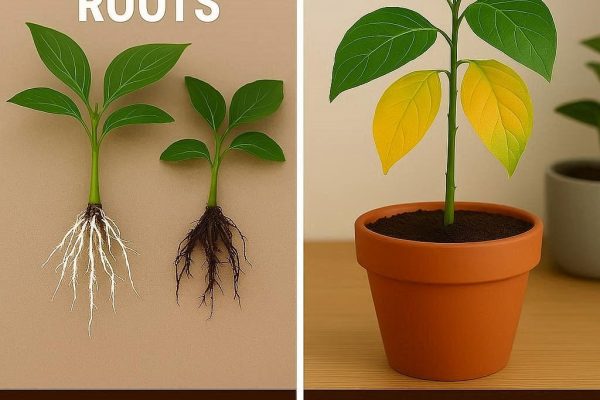
Overwatering is a common mistake among gardeners, leading to root rot and plant stress. Signs include:
- Yellowing or wilting leaves despite moist soil.
- Mushy or soft stems.
- Foul odor from soil or stagnant water in the pot.
- Mold or algae growth on the soil surface.
Plants need oxygen at the roots to thrive. Excess water fills air pockets in the soil, suffocating roots and encouraging disease.

4. Signs of Underwatering
Underwatering deprives plants of essential moisture, slowing growth and causing stress. Look for these symptoms:
- Dry, brittle leaves that curl or brown at the edges.
- Wilting during the hottest parts of the day, recovering only after watering.
- Slow growth or leaf drop.
- Soil pulling away from the sides of pots in container plants.
Correctly identifying underwatering helps prevent long-term damage.
5. Best Practices for Watering Plants
Follow these steps to water plants effectively:
- Check Soil Moisture: Insert your finger 1-2 inches into the soil; water only when it feels dry at this depth.
- Water Deeply: Provide enough water to reach the roots, encouraging strong root systems.
- Water at the Right Time: Early morning or late evening reduces evaporation and allows plants to absorb water.
- Avoid Frequent Shallow Watering: Frequent light watering promotes shallow roots, making plants more susceptible to drought.
6. Choosing the Right Watering Method
Different methods suit different plants and gardens:
- Hand Watering: Ideal for container plants and small gardens; allows careful monitoring.
- Soaker Hoses: Efficient for larger garden beds; delivers water directly to the soil.
- Drip Irrigation: Conserves water and provides consistent moisture for vegetables and flowers.
- Self-Watering Pots: Good for indoor plants or busy gardeners; reduces risk of overwatering.
Each method helps control water application and promotes healthy growth.
7. Watering Schedules for Different Plants
Adjust watering frequency based on plant type:
- Succulents and Cacti: Water once every 2-3 weeks, allowing soil to dry completely between watering.
- Flowering Annuals: Water 2-3 times per week during hot weather, ensuring deep watering.
- Vegetables: Keep soil consistently moist, especially during fruiting stages.
- Indoor Foliage Plants: Water weekly or when the top 1-2 inches of soil feel dry.
Regular observation and adjustment are key to avoiding mistakes.
8. Tips for Soil and Drainage
Healthy soil and proper drainage improve watering efficiency:
- Use Well-Draining Soil: Mix sand or perlite to improve drainage for potted plants.
- Add Mulch: Mulching retains moisture, reduces evaporation, and moderates soil temperature.
- Pot with Drainage Holes: Prevents waterlogging in container plants.
- Amend Soil for Outdoor Beds: Organic matter like compost improves water retention and nutrient supply.
Good soil practices complement correct watering techniques and help plants thrive.
9. Conclusion
Watering plants correctly is both an art and a science. By understanding your plants’ needs, recognizing the signs of overwatering and underwatering, choosing the right watering methods, and maintaining proper soil and drainage, you can ensure vibrant and healthy growth. With regular observation, thoughtful adjustments, and consistent practices, gardeners can prevent common watering mistakes and enjoy thriving plants all year round.