Table of Contents
- Introduction
- Why Choose Low-Maintenance Perennials
- Factors to Consider When Selecting Perennials
- Top 10 Low-Maintenance Perennial Flowers
- 4.1 Coneflower (Echinacea)
- 4.2 Black-Eyed Susan (Rudbeckia)
- 4.3 Daylilies (Hemerocallis)
- 4.4 Lavender (Lavandula)
- 4.5 Sedum (Stonecrop)
- 4.6 Salvia
- 4.7 Coral Bells (Heuchera)
- 4.8 Catmint (Nepeta)
- 4.9 Coreopsis
- 4.10 Blanket Flower (Gaillardia)
- Planting Tips for Continuous Color
- Care and Maintenance of Low-Maintenance Perennials
- Companion Planting Ideas
- Troubleshooting Common Issues
- Conclusion
1. Introduction
For gardeners seeking a colorful garden without the constant upkeep, low-maintenance perennial flowers are the perfect solution. These resilient plants return year after year, providing vibrant blooms across seasons with minimal care. By selecting the right perennials, you can enjoy a continuous display of color, attract pollinators, and create a beautiful garden space effortlessly.
2. Why Choose Low-Maintenance Perennials
Low-maintenance perennials are ideal for busy gardeners, beginners, or anyone wanting a stunning garden without intensive work. Their benefits include:
- Yearly Returns: Perennials grow back each season, reducing the need for replanting.
- Adaptability: Many varieties thrive in diverse soil types and light conditions.
- Pest and Disease Resistance: Most low-maintenance perennials are resilient to common garden problems.
- Sustainable Gardening: Less watering, fertilizing, and replacement makes them eco-friendly.
3. Factors to Consider When Selecting Perennials
Before choosing perennials, consider:
- Climate Zone: Ensure the plant is suitable for your USDA zone.
- Sunlight Requirements: Some perennials thrive in full sun, others in partial shade.
- Soil Type: Well-drained soil is essential for most perennials.
- Bloom Season: Combine early, mid, and late bloomers for continuous color.
- Height and Spread: Match plant sizes with garden design and spacing requirements.

4. Top 10 Low-Maintenance Perennial Flowers
4.1 Coneflower (Echinacea)
Coneflowers are drought-tolerant, attract pollinators, and bloom from mid-summer to early fall. Their daisy-like flowers come in purple, pink, and white shades, perfect for vibrant borders.
4.2 Black-Eyed Susan (Rudbeckia)
Bright yellow blooms with dark centers, Black-Eyed Susans are easy to grow and thrive in sunny spots. They bloom for several months, adding cheer to any garden.
4.3 Daylilies (Hemerocallis)
Daylilies produce abundant flowers that open each day. They tolerate heat, drought, and poor soil, making them one of the easiest perennials to maintain.
4.4 Lavender (Lavandula)
Lavender is aromatic, drought-tolerant, and attracts bees and butterflies. Its purple blooms provide a calming scent and can be used for culinary or craft purposes.
4.5 Sedum (Stonecrop)
Sedums are succulent perennials that require minimal water. Their clusters of star-shaped flowers bloom in late summer and fall, perfect for rock gardens or borders.
4.6 Salvia
Salvias are hardy, heat-tolerant, and bloom continuously through summer. They attract pollinators and are available in shades of blue, purple, red, and pink.
4.7 Coral Bells (Heuchera)
Coral Bells are valued for both their foliage and flowers. Leaves come in red, purple, green, or silver, and small blooms attract hummingbirds.
4.8 Catmint (Nepeta)
Catmint produces spikes of purple-blue flowers and fragrant foliage. It’s drought-resistant, deer-resistant, and blooms for extended periods.
4.9 Coreopsis
Also known as tickseed, Coreopsis produces bright yellow or orange flowers that bloom from early summer to fall. They are tolerant of heat and poor soil conditions.
4.10 Blanket Flower (Gaillardia)
Gaillardias are vibrant, long-blooming perennials. They thrive in sunny, dry conditions and offer red, yellow, and orange hues for continuous color.
5. Planting Tips for Continuous Color
- Stagger Bloom Times: Combine early, mid, and late bloomers to maintain color all season.
- Group by Sun and Soil Needs: Plant perennials with similar requirements together for easier care.
- Deadheading: Remove spent flowers to encourage more blooms.
- Mulch: Conserves soil moisture and prevents weeds.
6. Care and Maintenance of Low-Maintenance Perennials
Even low-maintenance perennials benefit from basic care:
- Watering: Deep, infrequent watering is better than frequent shallow watering.
- Pruning: Trim back in late winter or early spring to stimulate healthy growth.
- Fertilizing: Light feeding with slow-release fertilizer supports long-term growth.
- Pest Management: Monitor for pests and diseases, but resistant varieties usually require minimal intervention.
7. Companion Planting Ideas
Pair perennials with complementary plants to enhance garden appeal:
- Combine Coneflowers with Black-Eyed Susans for a sunny wildflower look.
- Plant Lavender near Catmint or Salvia for fragrance and pollinator attraction.
- Use Coral Bells and Sedum in shaded or rock garden areas for texture and color contrast.
8. Troubleshooting Common Issues
Even low-maintenance perennials may face occasional challenges:
- Poor Blooming: Check sunlight exposure and soil fertility.
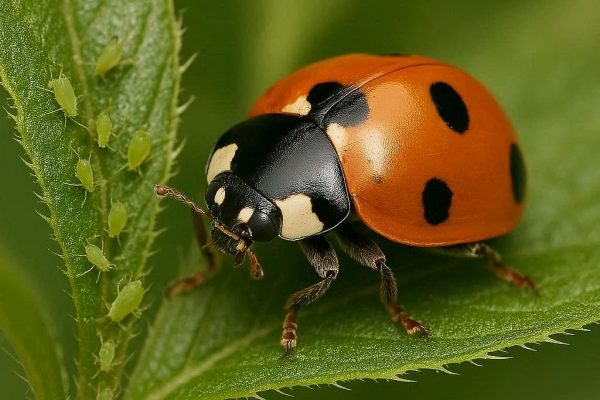
- Pests: Aphids and slugs can be controlled with natural remedies or barriers.
- Fungal Issues: Avoid overwatering and ensure proper air circulation.
- Crowding: Divide plants every few years to maintain vigor and space.
9. Conclusion
Selecting low-maintenance perennials is a smart way to enjoy a colorful garden with minimal effort. By choosing resilient species, planning for continuous blooms, and providing simple care, gardeners can create vibrant landscapes that attract pollinators and delight the senses all season long. These ten perennials offer beauty, resilience, and ease, making them perfect for both beginner and experienced gardeners.