Table of Contents
- Introduction
- Planning Your Home Office Layout
- Choosing the Right Desk and Chair
- Lighting Solutions for Focus and Comfort
- Storage and Organization Ideas
- Personalization and Aesthetic Touches
- Incorporating Technology Efficiently
- Plants and Natural Elements
- Maintenance and Ergonomics
- Conclusion
1. Introduction
Creating a home office that balances productivity and comfort is essential in today’s work-from-home era. A well-designed workspace can enhance focus, reduce stress, and boost creativity. From desk placement to storage solutions, lighting, and ergonomic furniture, every element plays a role in maximizing efficiency while keeping your office inviting. A thoughtfully designed home office allows you to work effectively without sacrificing comfort or style.
2. Planning Your Home Office Layout
Before buying furniture, consider your space:
- Assess Your Room: Measure your room and identify the most practical areas for your desk, chair, and storage units.
- Define Zones: Separate work zones for computer work, reading, and planning.
- Minimize Distractions: Choose a location away from heavy foot traffic or noisy areas.
- Flexibility: Consider a layout that can adapt to different tasks or future growth.
3. Choosing the Right Desk and Chair
Furniture selection is key for comfort and productivity:
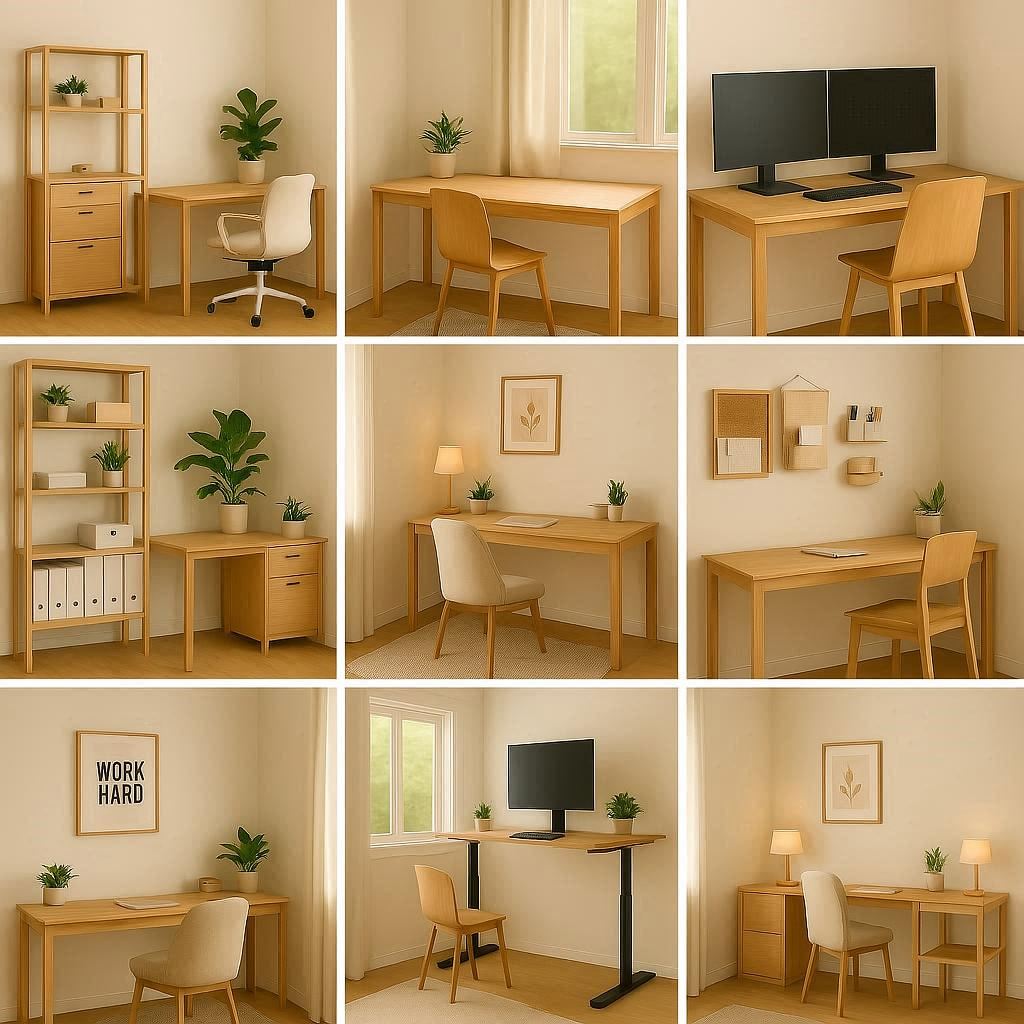
- Ergonomic Chair: A chair with lumbar support and adjustable height prevents back pain during long work hours.
- Spacious Desk: Choose a desk large enough to hold your computer, documents, and necessary accessories.
- Multi-Functional Options: L-shaped or corner desks optimize small spaces.
- Adjustable Desks: Standing desks or sit-stand converters improve circulation and energy levels.
4. Lighting Solutions for Focus and Comfort
Proper lighting reduces eye strain and improves mood:
- Natural Light: Place your desk near windows to take advantage of daylight.
- Task Lighting: Adjustable desk lamps provide focused light for reading or detailed work.
- Ambient Lighting: Soft overhead lighting creates a comfortable environment.
- Avoid Glare: Position screens perpendicular to windows and use curtains or blinds if needed.
5. Storage and Organization Ideas
A clutter-free office boosts productivity:
- Shelving Units: Open or closed shelves provide both storage and display options.
- Filing Cabinets: Keep important documents organized and accessible.
- Desk Organizers: Trays, drawers, and baskets help manage stationery and gadgets.
- Vertical Storage: Use wall-mounted organizers to save floor space.
6. Personalization and Aesthetic Touches
Your home office should inspire you:
- Color Palette: Choose soothing colors like blues and greens or energizing tones like yellow.
- Art and Decor: Hang motivational prints or personal artwork to create a positive atmosphere.
- Textiles: Area rugs, cushions, and curtains add warmth and texture.
- Minimalism: Avoid overdecorating to maintain focus and avoid distractions.
7. Incorporating Technology Efficiently
Integrate technology without clutter:
- Cable Management: Use clips, trays, or channels to organize wires.
- Dual Monitors: Improve efficiency for multitasking.
- Wireless Accessories: Reduce clutter with wireless keyboards, mice, and printers.
- Smart Devices: Smart plugs, speakers, or lighting can enhance convenience and control.
8. Plants and Natural Elements
Adding greenery improves air quality and mood:
- Small Indoor Plants: Succulents or ferns require minimal care and brighten your desk.
- Large Potted Plants: Corner plants create a relaxing and fresh environment.
- Natural Materials: Wooden desks, bamboo organizers, and stone accents add warmth.
- Biophilic Design: Incorporate natural textures, light, and views for a calming effect.
9. Maintenance and Ergonomics
Keep your office functional and healthy:
- Daily Tidying: Clear your desk at the end of each day to start fresh tomorrow.
- Regular Cleaning: Dust and vacuum to maintain a healthy workspace.
- Ergonomic Adjustments: Monitor height, chair position, and keyboard placement should be reviewed regularly.
- Periodic Review: Update furniture or layouts to maintain comfort and efficiency over time.
10. Conclusion
A well-designed home office balances functionality, comfort, and aesthetics. Thoughtful layout, ergonomic furniture, proper lighting, smart storage, and personalized decor create a workspace that enhances productivity and well-being. Integrating technology efficiently, adding natural elements, and maintaining an organized environment ensures your home office remains both inspiring and practical.