Table of Contents
- Introduction
- Why Attracting Songbirds is Beneficial
- Plant Selection Tips
- 10 Plants That Attract Songbirds
- 4.1. Serviceberry (Amelanchier spp.)
- 4.2. Eastern Redbud (Cercis canadensis)
- 4.3. American Holly (Ilex opaca)
- 4.4. Black-eyed Susan (Rudbeckia hirta)
- 4.5. Coneflower (Echinacea spp.)
- 4.6. Sunflower (Helianthus annuus)
- 4.7. Elderberry (Sambucus canadensis)
- 4.8. Cardinal Flower (Lobelia cardinalis)
- 4.9. Bayberry (Myrica pensylvanica)
- 4.10. Viburnum (Viburnum spp.)
- Tips for Creating a Bird-Friendly Garden
- Seasonal Considerations
- Conclusion
1. Introduction
Inviting songbirds into your garden is a wonderful way to connect with nature and enhance your outdoor living experience. Birds not only bring beauty and soothing melodies but also help maintain ecological balance by controlling insects and spreading seeds. By planting the right mix of flowers, shrubs, and trees, you can attract a variety of colorful and melodious birds naturally, creating a lively and harmonious backyard sanctuary.
2. Why Attracting Songbirds is Beneficial
Attracting songbirds offers multiple advantages:
- Natural Pest Control: Birds consume insects and larvae, reducing the need for chemical pesticides.
- Pollination and Seed Dispersal: Birds help plants reproduce, contributing to a healthier garden ecosystem.
- Enhanced Outdoor Experience: Watching and listening to songbirds can reduce stress and improve mental well-being.
- Biodiversity Support: Providing food and habitat helps local bird populations thrive.
3. Plant Selection Tips
When choosing plants to attract songbirds, consider:
- Native Species: Native plants provide natural food sources and shelter.
- Variety in Height and Structure: Include trees, shrubs, and flowers to cater to different bird species.
- Year-Round Appeal: Choose plants that produce seeds, berries, or nectar in different seasons.
- Minimal Pesticides: Avoid chemicals that can harm birds or reduce insect food sources.
4. 10 Plants That Attract Songbirds
4.1. Serviceberry (Amelanchier spp.)
Serviceberries produce small, sweet berries that attract robins, cardinals, and bluebirds. They also have beautiful white flowers in spring, adding ornamental value to your garden.
4.2. Eastern Redbud (Cercis canadensis)
This small tree blooms with vibrant pink flowers in early spring, providing nectar for hummingbirds and attracting small songbirds seeking shelter.
4.3. American Holly (Ilex opaca)
American holly is famous for its bright red berries that persist into winter, feeding cardinals, thrushes, and cedar waxwings. Its dense foliage offers excellent shelter.
4.4. Black-eyed Susan (Rudbeckia hirta)
Black-eyed Susans produce seeds in late summer and fall that attract finches and sparrows. Their bright yellow flowers also add cheerful color to your garden.
4.5. Coneflower (Echinacea spp.)
Coneflowers are not only hardy and low-maintenance but also provide seeds for goldfinches and other small songbirds. Their tall structure gives birds perching spots.
4.6. Sunflower (Helianthus annuus)
Sunflowers are a classic favorite. Their large seeds are packed with nutrition for finches, chickadees, and sparrows, making them a seasonal hotspot for birdwatching.
4.7. Elderberry (Sambucus canadensis)
Elderberries produce dark, juicy berries that attract thrushes, orioles, and other fruit-loving birds. They also grow densely, providing shelter and nesting opportunities.
4.8. Cardinal Flower (Lobelia cardinalis)
With its striking red flowers, the cardinal flower attracts hummingbirds and other nectar-feeding birds. It thrives in moist areas near water features.
4.9. Bayberry (Myrica pensylvanica)
Bayberry shrubs produce waxy berries loved by songbirds in winter. Their aromatic leaves also deter pests, making them a dual-purpose addition to the garden.
4.10. Viburnum (Viburnum spp.)
Viburnums produce clusters of berries in late summer and fall that feed robins, cedar waxwings, and bluebirds. Their dense branches offer safe nesting spots and protection from predators.
5. Tips for Creating a Bird-Friendly Garden
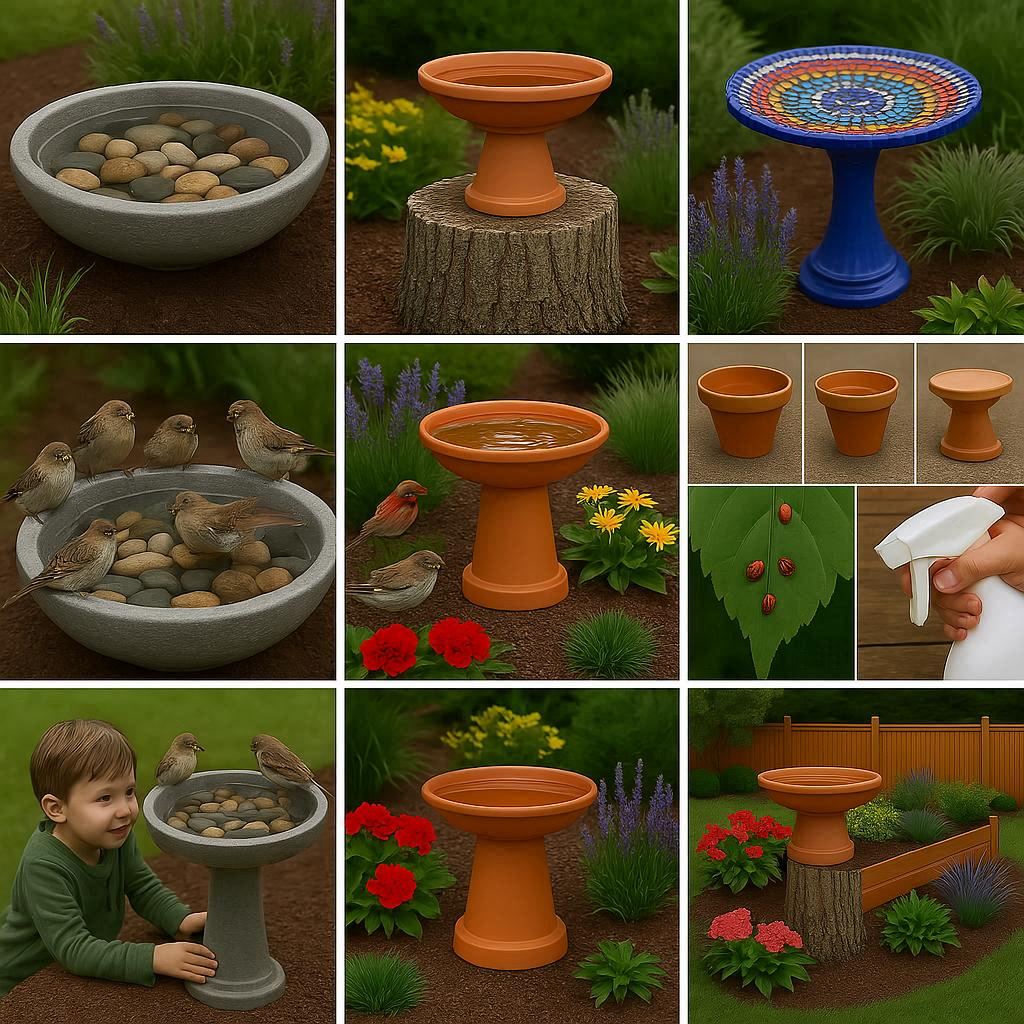
- Provide Water: A birdbath or small fountain keeps birds hydrated and encourages daily visits.
- Plant in Layers: Combine tall trees, mid-sized shrubs, and ground-level plants for cover and food.
- Offer Nesting Materials: Leave small twigs, grasses, or pine needles for nest building.
- Avoid Chemicals: Pesticides and herbicides can be harmful to birds and their food sources.
6. Seasonal Considerations
To attract songbirds year-round:
- Plant a mix of evergreen and deciduous trees for winter shelter.
- Choose plants that bloom or bear fruit in different seasons to maintain a continuous food supply.
- Remove old fruit only after winter to avoid depriving birds during scarce months.
7. Conclusion
Creating a bird-friendly garden using native and attractive plants not only enhances your backyard’s beauty but also supports local wildlife. By selecting the right mix of trees, shrubs, and flowers, and providing water and shelter, you can enjoy the sights and sounds of beautiful songbirds throughout the year. Your garden can become a sanctuary for both birds and yourself, combining outdoor living with ecological benefits.