Table of Contents
- Introduction: Why Low-Maintenance Gardens Matter
- Key Elements of a Low-Maintenance Garden
- Best Low-Maintenance Plants for Every Climate
- Smart Irrigation and Water-Saving Tips
- Minimalist Design Ideas for a Modern Look
- Eco-Friendly and Sustainable Solutions
- Real-Life Garden Examples and Inspiration
- Conclusion
1. Introduction: Why Low-Maintenance Gardens Matter
For many homeowners today, a low-maintenance garden design isn’t just a trend—it’s a necessity. With busy schedules and limited time, maintaining a lush garden can feel overwhelming. The good news? You can have a beautiful, easy-to-manage garden without spending every weekend on upkeep.
Low-maintenance gardens combine durable plants, efficient watering systems, and clever layouts that reduce the need for constant care. This article will guide you through time-saving, budget-friendly ideas to create your own peaceful outdoor retreat.
2. Key Elements of a Low-Maintenance Garden
To design a garden that practically takes care of itself, focus on these elements:
- Drought-tolerant plants: Perfect for homeowners who don’t want to water daily.
- Mulching: Reduces weeds, keeps soil moist, and minimizes maintenance.
- Automated irrigation: Drip systems or smart sprinklers ensure plants get just the right amount of water.
- Native plants: They naturally thrive in your region, requiring less fertilizer and care.
- Perennial plants: Unlike annuals, perennials return year after year with little effort.
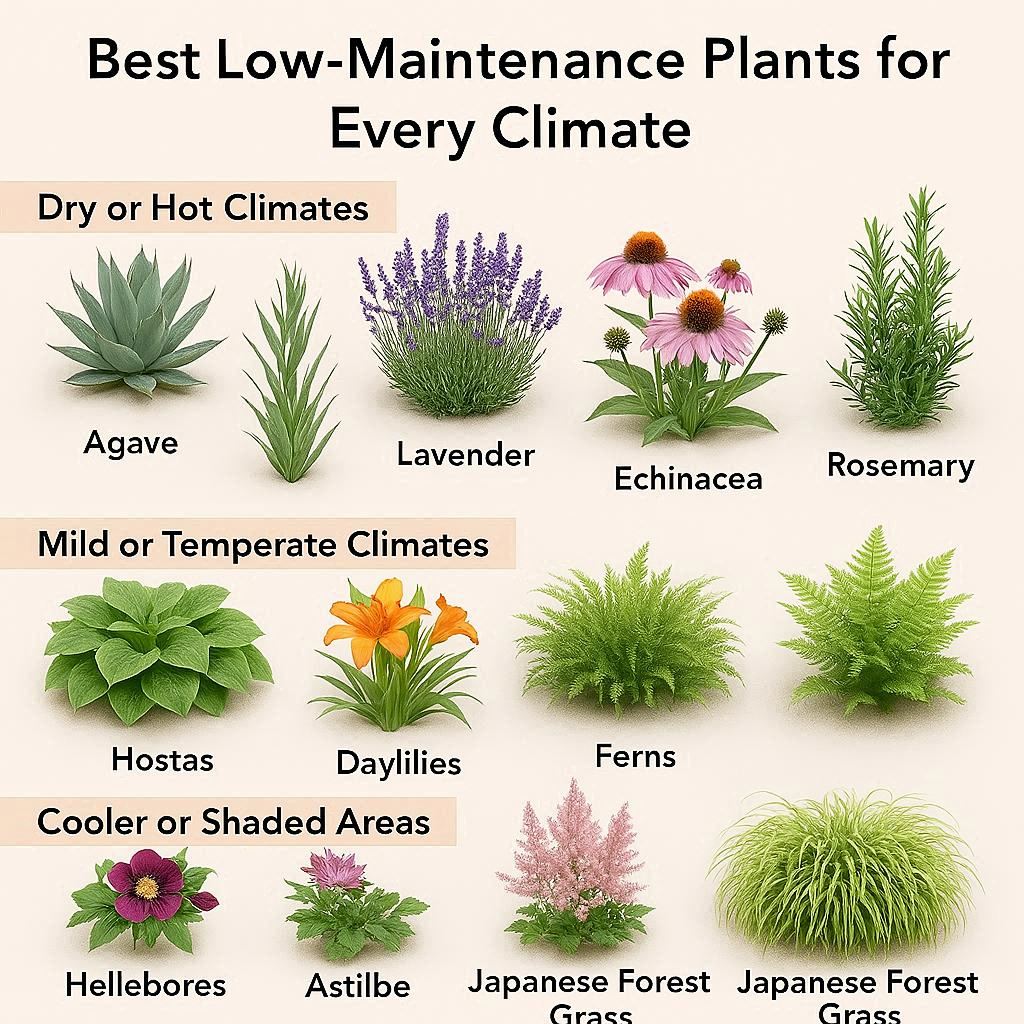
3. Best Low-Maintenance Plants for Every Climate
Choosing the right plants can make or break your garden’s upkeep level.
Dry or hot climates:
- Agave
- Lavender
- Yucca
- Echinacea
- Rosemary
Mild or temperate climates:
- Hostas
- Ornamental grasses
- Daylilies
- Ferns
Cooler or shaded areas:
- Hellebores
- Astilbe
- Japanese forest grass
These species not only require less attention but also look stunning in modern and traditional landscapes alike.
4. Smart Irrigation and Water-Saving Tips
Water is one of the most time-consuming aspects of garden care. Installing smart irrigation systems can reduce your workload significantly.
- Use drip irrigation to deliver water directly to the roots.
- Connect your irrigation to a smart timer that adjusts based on weather.
- Add rain barrels or a greywater recycling system for sustainability.
💧 Bonus Tip: Combine irrigation with mulch to retain soil moisture longer.
5. Minimalist Design Ideas for a Modern Look
Low-maintenance doesn’t mean boring! You can achieve a stunning modern garden design with these simple touches:
- Geometric pathways: Use concrete slabs, gravel, or stepping stones for a clean layout.
- Evergreen borders: Provide year-round structure and privacy.
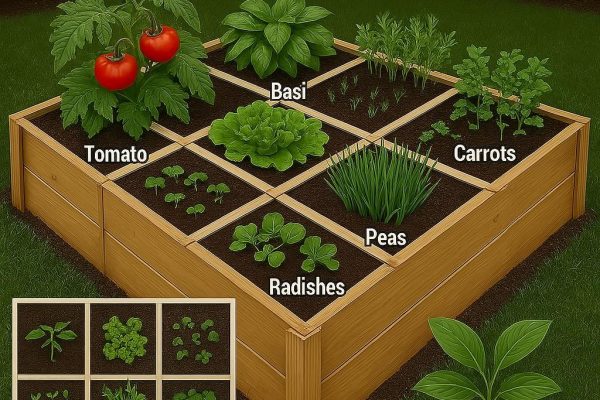
- Raised garden beds: Easier to manage and visually appealing.
- Artificial turf: No mowing, no watering—perfect for high-traffic areas.
6. Eco-Friendly and Sustainable Solutions
Sustainability is at the heart of modern garden design. To keep your garden both green and guilt-free:
- Replace chemical fertilizers with organic compost.
- Add native wildflowers to attract bees and butterflies.
- Install solar garden lights for an eco-friendly glow.
- Use recycled materials like reclaimed wood or metal for garden furniture.
These sustainable landscaping ideas not only save time but also reduce long-term costs.
7. Real-Life Garden Examples and Inspiration
Here are a few inspirational low-maintenance garden concepts to copy:
The Gravel Garden – Uses decorative gravel, succulents, and stones for a water-efficient and elegant design.
The Evergreen Oasis – Features evergreen shrubs and native trees with automated irrigation for a lush look all year.
The Courtyard Sanctuary – Compact design with raised planters and drought-resistant flowers, ideal for small spaces.
The Modern Zen Garden – Combines pebbles, bamboo fencing, and minimalist benches for a calming aesthetic.
8. Conclusion
A low-maintenance garden design allows busy homeowners to enjoy their outdoor space without constant upkeep. By focusing on drought-tolerant plants, smart irrigation, and simple design elements, you can create a beautiful, eco-friendly landscape that fits your modern lifestyle.
Whether you prefer a clean minimalist look or a lush natural oasis, the key is planning for efficiency and sustainability. Start small, use smart materials, and let nature do the rest.