Table of Contents
- Introduction
- Assessing Your Shade Garden
- Planning Your Makeover
- Choosing Shade-Loving Plants
- Adding Color and Texture
- Incorporating Garden Features
- DIY Hardscaping Ideas
- Maintenance Tips for a Lush Shade Garden
- Before & After Inspiration
- Conclusion
1. Introduction
Shade gardens offer a peaceful retreat, but they often pose challenges due to limited sunlight. With careful planning and the right plant selection, a shaded area can become a vibrant, serene oasis. This DIY shade garden makeover guide shows you how to transform underutilized shady spots into beautiful garden spaces, complete with colorful foliage, layered textures, and charming garden features.
2. Assessing Your Shade Garden
Before starting any makeover, evaluate your current garden space:
- Identify the Type of Shade: Determine if the area receives dappled sunlight, full shade, or partial shade.
- Examine Soil and Drainage: Shady areas may have moisture retention or compacted soil, affecting plant growth.
- Take Note of Existing Plants: Decide which plants to keep, relocate, or replace.
- Measure Your Space: Accurate dimensions help in planning plant beds, pathways, and garden features.
3. Planning Your Makeover
A clear plan helps maximize the impact of your shade garden:
- Sketch a Layout: Include plant beds, paths, seating areas, and focal points.
- Decide on a Style: Choose between naturalistic woodland, formal shade garden, or mixed perennial borders.
- Set a Budget: Prioritize plants, hardscaping materials, and decorative features.
- Consider Vertical Elements: Trellises, arbors, and shade-loving vines add height and interest.

4. Choosing Shade-Loving Plants
Selecting the right plants is essential for success:
- Hostas: Known for their lush foliage and low maintenance.
- Ferns: Add texture and thrive in deep shade.
- Astilbes: Provide feathery blooms and vibrant color.
- Heucheras: Offer colorful leaves in shades of purple, bronze, and green.
- Shade-Tolerant Annuals: Impatiens, begonias, and coleus bring seasonal color.
5. Adding Color and Texture
Even shady areas can have visual interest:
- Layer Plants by Height: Taller plants in the back, medium-height in the middle, low-growing at the front.
- Mix Foliage Types: Combine broad leaves, delicate ferns, and textured grasses.
- Use Containers: Potted plants can add color and mobility.
- Incorporate Seasonal Interest: Select plants with different bloom times and foliage changes.
6. Incorporating Garden Features
Enhance your shade garden with functional and decorative elements:
- Garden Benches: Create a relaxing spot to enjoy your shady retreat.
- Pathways: Gravel, mulch, or stepping stones guide visitors through the garden.
- Water Features: Small fountains or birdbaths add sound and attract wildlife.
- Decorative Accents: Sculptures, lanterns, or hanging ornaments enhance ambiance.
7. DIY Hardscaping Ideas
Affordable DIY solutions can transform the space:
- Mulched Beds: Cost-effective and great for moisture retention.
- Stone Borders: Define plant areas and add structure.
- Raised Beds: Improve soil conditions and accessibility.
- Trellis or Pergola: Supports shade-loving vines and adds vertical interest.
8. Maintenance Tips for a Lush Shade Garden
Keep your garden thriving with proper care:
- Watering: Shady areas may require less frequent watering, but monitor soil moisture.
- Mulching: Helps retain moisture and suppress weeds.
- Pruning: Remove dead or overcrowded foliage to improve air circulation.
- Fertilization: Use slow-release fertilizers suited for shade-loving plants.
- Pest Control: Monitor for slugs, snails, and other common shade garden pests.
9. Before & After Inspiration
Transforming a shade garden often produces dramatic results:
- Before: Sparse, dull, and underutilized space with little structure or color.
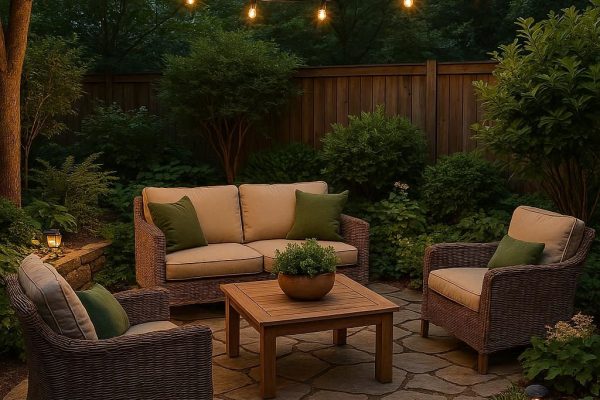
- After: Layered plantings with varied foliage, seasonal blooms, functional seating, decorative paths, and focal points that create a serene, inviting retreat.
- Consider Adding Personal Touches: DIY stepping stones, painted pots, or custom garden signs add character.
10. Conclusion
A DIY shade garden makeover can turn even the most neglected shady area into a stunning outdoor haven. With careful planning, the right plant selection, creative layering, and thoughtfully placed garden features, your shaded backyard can become a vibrant, relaxing, and inspiring space. Whether you prefer a woodland retreat, a colorful perennial border, or a serene seating area, a well-designed shade garden brings beauty and tranquility to your home.