Table of Contents
- Introduction
- Understanding Low-Maintenance Gardening
- Assess Your Garden Space
- Choosing the Right Plants for Your Garden Bed
- Soil Preparation and Mulching
- Planting Techniques for Easy Care
- Efficient Watering and Irrigation
- Simple Landscaping and Edging
- Seasonal Care Tips
- Conclusion
1. Introduction
Designing a low-maintenance garden bed is all about making smart choices from the start. By selecting the right plants for the right place and implementing thoughtful garden design strategies, you can enjoy a beautiful garden without spending hours on upkeep. This guide will walk you through step-by-step methods to create a sustainable, attractive, and easy-to-manage garden bed suitable for any backyard or small outdoor space.
2. Understanding Low-Maintenance Gardening
Low-maintenance gardening focuses on reducing work while maximizing beauty and functionality:
- Select hardy, drought-tolerant plants that thrive in your climate.
- Minimize the need for frequent pruning, fertilizing, and pest control.
- Use soil amendments and mulch to retain moisture and reduce weeds.
- Design your garden layout to naturally control plant growth and spacing.
3. Assess Your Garden Space
Before planting, take a close look at your garden area:
- Observe Sun and Shade Patterns: Determine which areas get full sun, partial shade, or full shade.
- Measure the Space: Knowing dimensions helps in planning plant spacing and bed shape.
- Consider Soil Conditions: Test soil pH, texture, and drainage to choose suitable plants.
- Identify High-Traffic Areas: Place plants in spots that won’t get trampled.
4. Choosing the Right Plants for Your Garden Bed
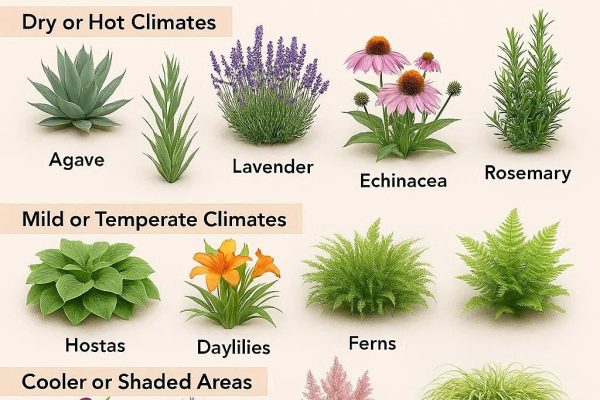
Selecting plants adapted to your environment is the cornerstone of low-maintenance design:
- Native Plants: These are often drought-resistant, disease-resistant, and attract local pollinators.
- Perennials Over Annuals: Perennials return year after year, reducing the need for replanting.
- Group Plants by Water Needs: Combining plants with similar requirements simplifies irrigation.
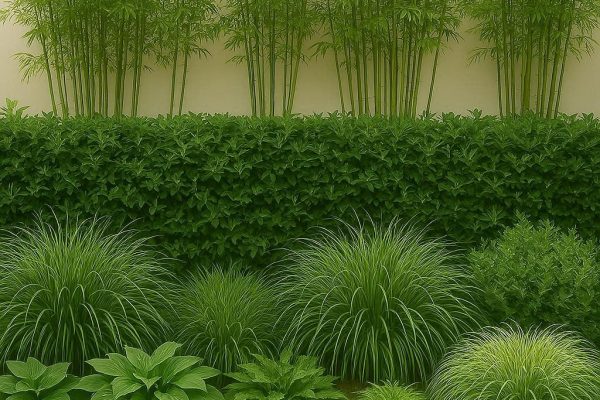
- Consider Bloom Time and Foliage: Mix early and late bloomers, evergreens, and ornamental grasses for visual interest year-round.
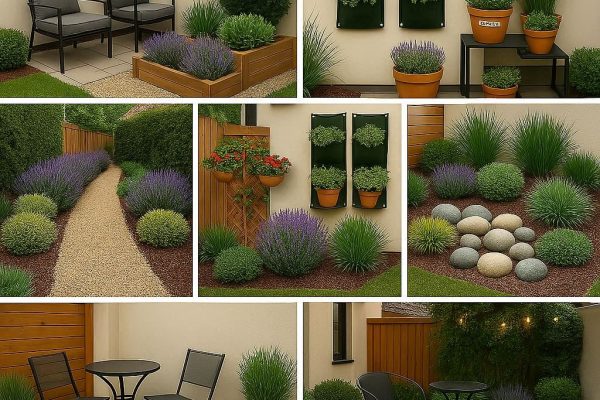
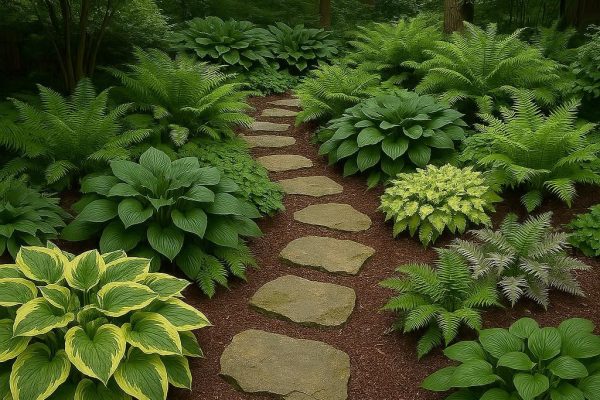
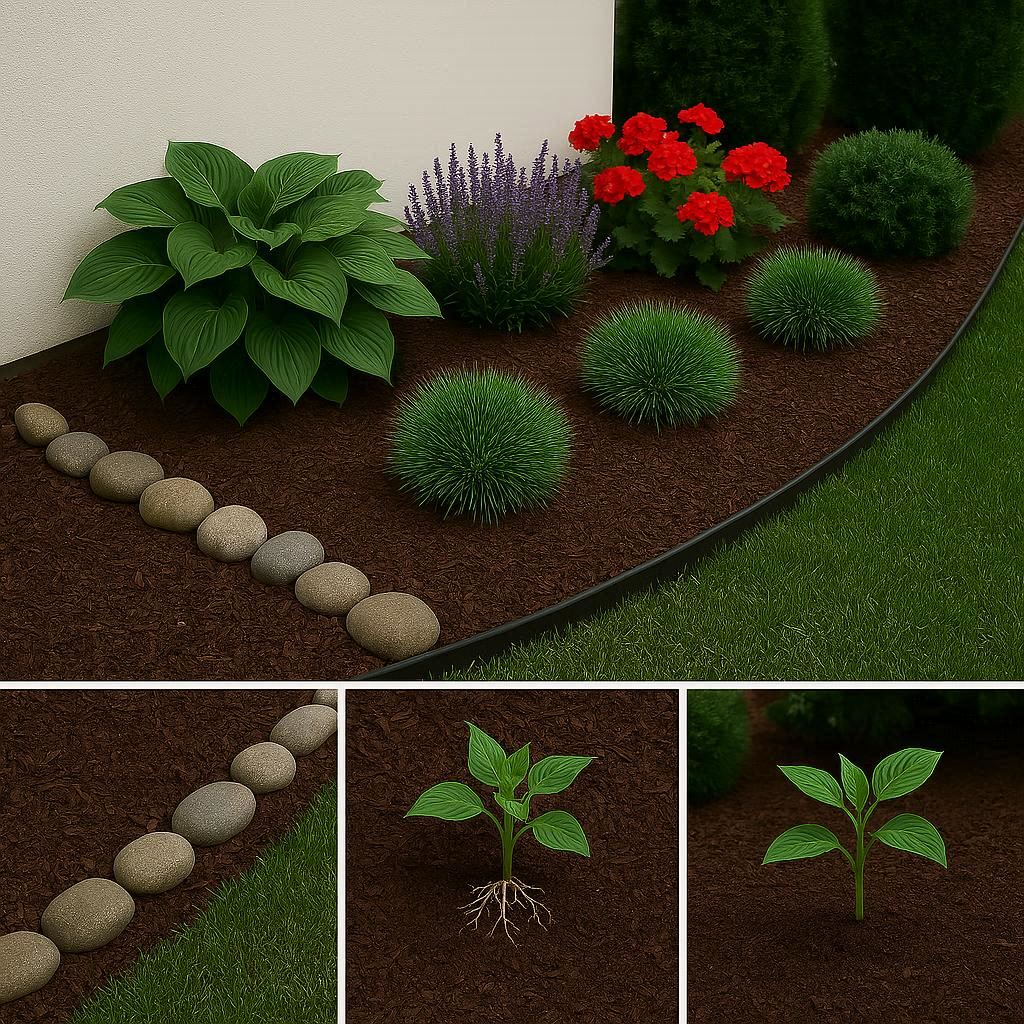
Examples: Lavender, ornamental grasses, hostas, sedum, coneflowers, and ornamental shrubs.
5. Soil Preparation and Mulching
Healthy soil is essential for plant longevity and reduced maintenance:
- Remove Weeds and Debris: Clear the area before planting.
- Amend Soil as Needed: Add compost or organic matter to improve fertility and drainage.
- Apply Mulch: Mulching with bark, straw, or gravel conserves moisture, suppresses weeds, and regulates soil temperature.
- Create Slight Raised Beds: For better drainage, especially in areas prone to heavy rain.
6. Planting Techniques for Easy Care
Proper planting ensures your garden requires minimal effort:
- Space Plants Correctly: Avoid overcrowding to reduce competition and disease.
- Group by Height: Taller plants at the back or center, shorter in front for easy access.
- Deep Planting for Roots: Encourage strong root development for drought tolerance.
- Use Companion Planting: Certain plant combinations can repel pests and improve soil nutrients.
7. Efficient Watering and Irrigation
Watering smartly reduces effort and promotes healthy growth:
- Drip Irrigation or Soaker Hoses: Target roots directly, reducing water waste.
- Water Early Morning or Evening: Minimizes evaporation and fungal issues.
- Group Plants with Similar Water Needs: Ensures consistent care without overwatering.
- Use Rain Barrels: Collect rainwater for an eco-friendly water source.
8. Simple Landscaping and Edging
Enhance your garden’s appearance while keeping it low-maintenance:
- Use Stones or Gravel Paths: Reduce lawn mowing and weed growth.
- Edging with Logs, Bricks, or Metal: Keeps garden beds tidy and defined.
- Add Decorative Mulch or Rocks: Gives a polished look and reduces maintenance.
- Keep Layout Simple: Avoid overly complex designs that require frequent adjustments.
9. Seasonal Care Tips
Even low-maintenance gardens benefit from seasonal attention:
- Spring: Mulch refresh, prune dead growth, check for pests.
- Summer: Monitor watering needs, deadhead flowers for extended bloom.
- Fall: Remove fallen debris, divide overcrowded perennials.
- Winter: Protect sensitive plants with mulch or covers, minimal pruning.
10. Conclusion
Creating a low-maintenance garden bed is achievable with thoughtful planning and plant selection. By choosing the right plants for the right location, preparing soil properly, using effective irrigation, and designing simple landscaping elements, you can enjoy a beautiful garden year-round with minimal effort. Following these steps ensures your garden thrives, looks attractive, and remains easy to care for.