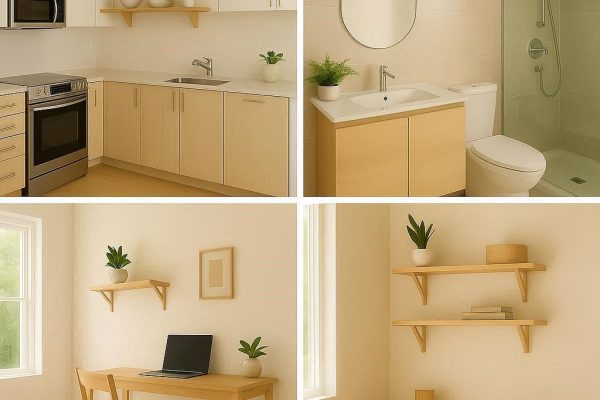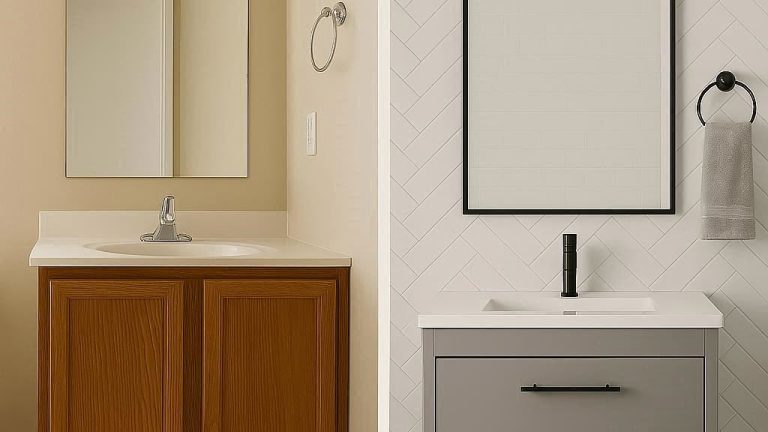
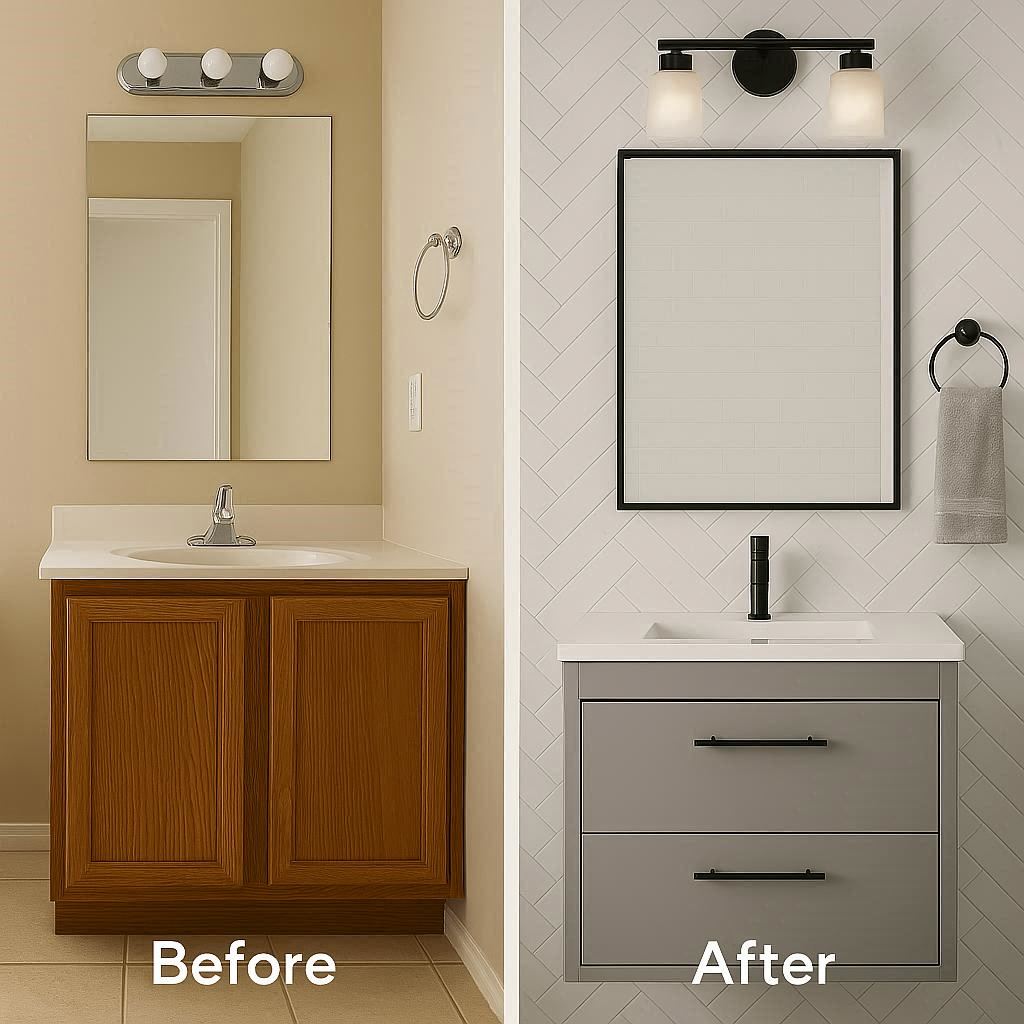
The bathroom represents one of the most frequently used yet often overlooked spaces in our homes. Beyond its functional requirements, a well-designed bathroom serves as a personal sanctuary—a place for relaxation and rejuvenation. Whether you’re planning a full renovation or addressing specific repairs, bathroom improvements offer exceptional return on investment while significantly enhancing daily living. This comprehensive guide covers essential bathroom projects from simple repairs to complete renovations, providing practical solutions that balance water resistance, functionality, and aesthetic appeal. Discover how to approach bathroom improvements systematically, transforming this essential space into one of your home’s standout features.
Article Directory:
- Planning Your Bathroom Layout: Maximizing Space and Function
- Waterproofing and Moisture Control: The Critical Foundation
- Vanity and Storage Solutions: Combining Style and Organization
- Shower and Tub Updates: Creating Your Retreat
- Flooring and Wall Choices: Beauty That Withstands Moisture
- Lighting and Ventilation: Essential for Safety and Ambiance
- Common Bathroom Repairs and Maintenance
1. Planning Your Bathroom Layout: Maximizing Space and Function
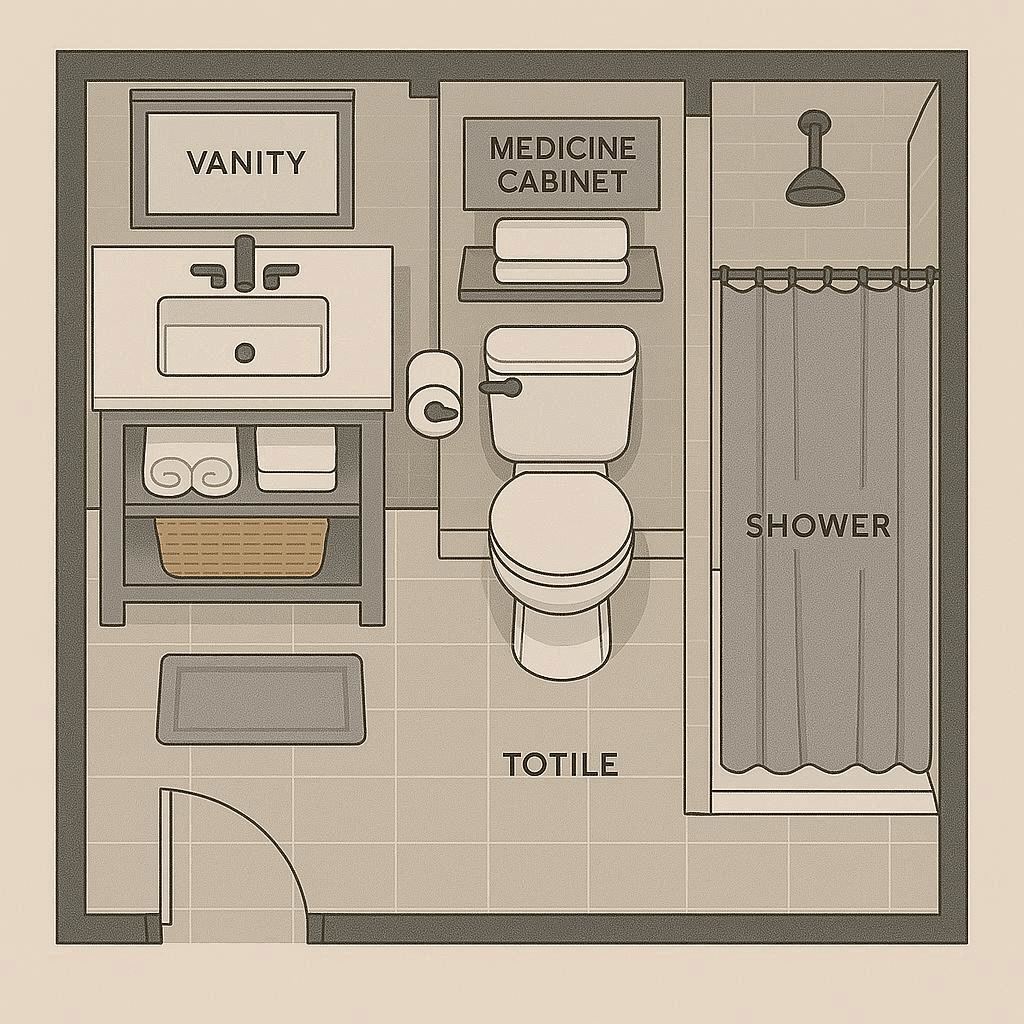
Successful bathroom remodeling begins with thoughtful space planning that addresses traffic flow, storage needs, and fixture placement. Even small bathrooms can feel spacious with intelligent layout decisions.
- Clearance Requirements: Maintain at least 21 inches of clearance in front of toilets and 30 inches in front of vanities. Showers should have minimum 30×30 interior dimensions.
- Fixture Placement: Position toilets with adequate side clearance (15 inches to center from side walls) and consider comfort-height models for accessibility.
- Space-Saving Solutions: Corner sinks, wall-mounted toilets, and sliding doors maximize space in small bathrooms. Recessed medicine cabinets and niche storage add function without consuming floor space.
- Plumbing Considerations: Keeping fixtures in their original locations significantly reduces costs. Moving drains and water supply lines often requires professional assistance.
2. Waterproofing and Moisture Control: The Critical Foundation
Proper moisture protection is the most crucial aspect of bathroom construction, preventing costly damage and ensuring long-term durability.
- Shower Waterproofing: Use cement backer board instead of drywall in wet areas. Apply liquid waterproofing membrane or sheet membrane systems for complete protection.
- Floor Protection: Install waterproof underlayment beneath flooring, especially with wood subfloors. Consider Schluter-type systems for complete moisture management.
- Vapor Barriers: Install plastic sheeting behind shower walls and proper ventilation to prevent moisture accumulation within walls.
- Grout and Caulk Selection: Use 100% silicone caulk at changes of plane (corners, where wall meets floor) and epoxy or urethane grout in wet areas for superior water resistance.
3. Vanity and Storage Solutions: Combining Style and Organization
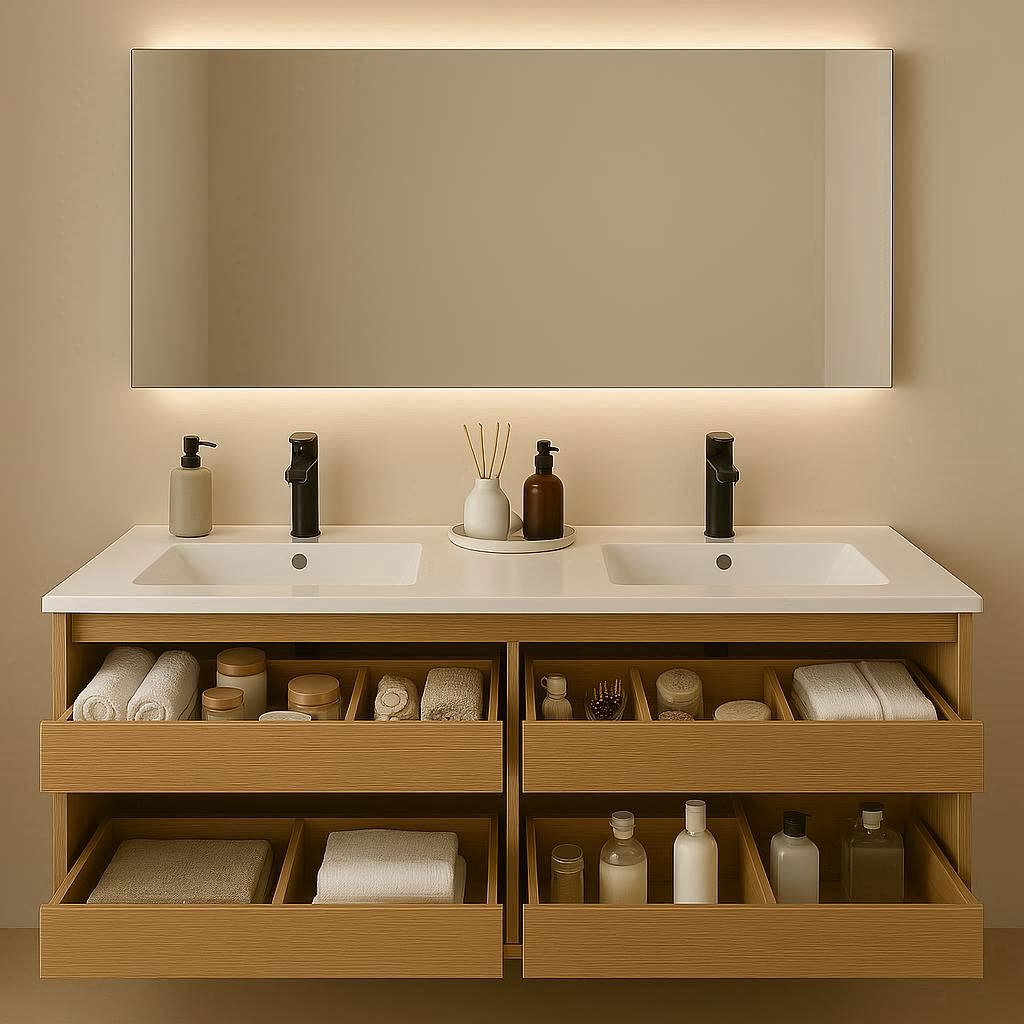
The vanity serves as the bathroom’s focal point while providing essential storage. Modern solutions combine aesthetic appeal with practical organization.
- Vanity Options: Freestanding vanities offer easy installation; wall-mounted models create visual space; custom built-ins maximize storage in awkward spaces.
- Countertop Materials: Quartz offers durability with minimal maintenance; solid surface provides seamless installation; cultured marble remains budget-friendly.
- Storage Innovations: Incorporate pull-out organizers, vertical dividers, and deep drawers. Medicine cabinets with integrated lighting add function and style.
- DIY Installation: Many homeowners can install pre-assembled vanities with basic plumbing skills. Remember to shut off water supplies and use pipe tape on all connections.
4. Shower and Tub Updates: Creating Your Retreat
The shower area represents both a functional necessity and an opportunity to create a spa-like experience through thoughtful design.
- Shower System Updates: Thermostatic valves maintain consistent temperature; rainfall showerheads provide luxury; hand showers add convenience for cleaning and accessibility.
- Enclosure Options: Frameless glass enclosures create openness; semi-frameless offer budget-friendly elegance; shower curtains provide easy updates.
- Tub Considerations: Soaking tubs deepen relaxation; alcove tubs space efficiently; freestanding tubs make dramatic statements. Consider water usage and heating requirements.
- Accessibility Features: Install grab bars during remodeling for safety. Curbless showers improve accessibility and create modern aesthetics.
5. Flooring and Wall Choices: Beauty That Withstands Moisture
Bathroom surfaces must balance water resistance, safety, and aesthetic appeal while withstanding constant moisture exposure.
- Flooring Materials: Porcelain tile offers superior water resistance; luxury vinyl plank provides waterproof performance with wood visuals; natural stone requires sealing but adds luxury.
- Slip Resistance: Choose textured surfaces or smaller tiles with more grout lines for wet areas. Matte finishes provide better traction than polished surfaces.
- Wall Protection: Use moisture-resistant drywall (greenboard or purple board) throughout bathrooms. Tile wainscoting protects lower walls while adding character.
- Grout Maintenance: Seal porous grout annually and address discoloration promptly. Epoxy grout resists staining but requires professional installation.
6. Lighting and Ventilation: Essential for Safety and Ambiance
Proper lighting ensures safety for grooming tasks, while adequate ventilation protects your investment from moisture damage.
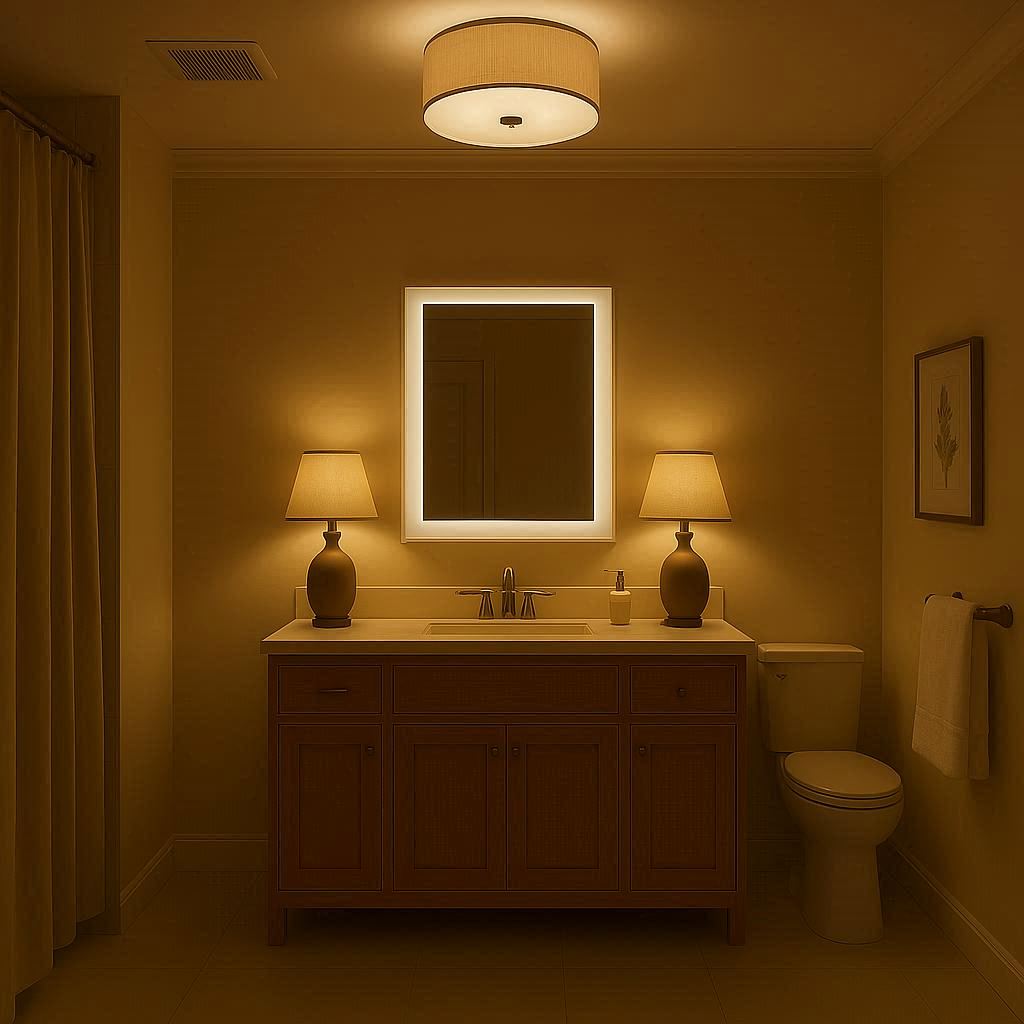
- Layered Lighting: Combine overhead ambient lighting with task lighting around mirrors and accent lighting for ambiance. Dimmers adjust for different needs throughout the day.
- Vanity Lighting: Install sconces at eye level on both sides of mirrors to eliminate shadows. LED strips underneath cabinets provide excellent task lighting.
- Ventilation Requirements: Bathroom fans should move at least 1 CFM per square foot. Ensure proper ducting to the exterior, not just into attics.
- Timer Switches: Install fan timers that run for 20-30 minutes after showering to completely remove moisture.
7. Common Bathroom Repairs and Maintenance
Regular maintenance prevents small problems from becoming major repairs, preserving your bathroom’s function and appearance.
- Caulk Renewal: Remove and replace cracked or discolored caulk every 2-3 years to prevent water damage. Use mold-resistant silicone caulk.
- Grout Repair: Remove damaged grout with a grout saw and replace with fresh material. Color-matched grout refresh products can renew appearance without complete replacement.
- Toilet Repairs: Replace flappers and fill valves to address running toilets. Wax ring replacement stops floor leaks.
- Drain Maintenance: Use hair catchers in shower drains and avoid chemical drain cleaners that damage pipes. Mechanical snakes clear most clogs effectively.
- Fixture Updates: Replace outdated faucets, showerheads, and accessories for instant updates that require minimal plumbing skill.
Conclusion: Creating Your Personal Oasis Through Thoughtful Improvement
A successful bathroom remodel balances aesthetic vision with practical considerations of moisture management, safety, and functionality. By approaching your project systematically—addressing waterproofing first, then major elements like vanities and showers, and finishing with lighting and decorative details—you can create a transformation that dramatically improves your daily routine and your home’s value.
Remember that bathrooms contain complex systems where mistakes can cause significant damage. Know when to call professionals for plumbing and electrical work, especially when dealing with moisture-sensitive areas. Whether you tackle these projects yourself or hire experts for certain aspects, your investment in bathroom improvements will yield daily enjoyment and significant returns. Start with a clear plan, prioritize moisture protection, and transform your bathroom into the sanctuary you deserve.