Interior remodeling represents the ultimate expression of DIY ambition – the process of fundamentally improving and reconfiguring your living space to better suit your lifestyle, needs, and aesthetic preferences. Unlike simple cosmetic updates, remodeling involves structural changes, system upgrades, and spatial rethinking that can dramatically enhance your home’s functionality and value. This comprehensive guide walks you through the essential phases of a successful interior remodel, from initial planning to final finishes, providing practical strategies for both major transformations and more manageable projects. Learn how to approach your remodel systematically to minimize stress, control costs, and achieve professional-looking results that transform how you live in your home.
Article Directory:
- Planning and Budgeting: The Foundation of Success
- Design and Layout: Rethinking Your Space
- Demolition and Preparation: Doing It Safely
- Structural and Systems Updates: The Unseen Essentials
- Walls, Floors, and Ceilings: Creating Your Canvas
- Kitchen and Bathroom Focus: High-Impact Remodels
- Finishing Touches: Bringing Your Vision to Life
1. Planning and Budgeting: The Foundation of Success
Thorough planning is the most critical phase of any successful remodel. Rushing into construction without a detailed plan leads to costly mistakes, delays, and frustration.
- Define Your Goals: Create a prioritized list of what you want to achieve (e.g., “create open concept living,” “add home office,” “improve kitchen workflow”). Separate “must-haves” from “nice-to-haves.”
- Set a Realistic Budget: Research material and labor costs for your projects. Add 15-20% contingency for unexpected expenses that inevitably arise during remodeling.
- Create a Timeline: Sequence your projects logically. For example, plumbing and electrical work must happen before drywall installation. Factor in lead times for special-order materials.
- Research Permits: Check local building department requirements. Many structural, electrical, and plumbing changes require permits and inspections.

2. Design and Layout: Rethinking Your Space
Good design maximizes both function and flow. Even without professional training, you can create intelligent layouts that transform how you use your space.
- Space Planning: Use graph paper or free room planning software to experiment with different furniture arrangements and layouts. Consider traffic patterns and how people will move through the space.
- The Work Triangle: In kitchens, maintain an efficient workflow between refrigerator, sink, and stove (the three points of the “work triangle”).
- Sight Lines: Consider what you’ll see from various vantage points. An open sight line from the kitchen to the living area allows for better social connection.
- Lighting Plan: Design a layered lighting scheme that includes ambient (general), task (specific), and accent (highlighting) lighting for each space.
3. Demolition and Preparation: Doing It Safely
Demolition might seem straightforward, but doing it methodically and safely protects both you and your home’s structure.
- Safety First: Wear protective gear – safety glasses, gloves, long sleeves, and a respirator mask, especially when dealing with older homes that might contain lead paint or asbestos.
- Utility Shut-off: Before demolition, locate and turn off electrical circuits, water lines, and gas lines to the area you’re working on.
- Methodical Approach: Work from the top down (ceiling to floor) and remove materials systematically. Don’t use excessive force that might damage structural elements you plan to keep.
- Salvage and Recycle: Carefully remove reusable materials like cabinets, fixtures, and trim that can be donated or repurposed. Separate debris for recycling where possible.
4. Structural and Systems Updates: The Unseen Essentials
While less glamorous than choosing finishes, addressing structural and mechanical systems ensures your remodel is safe, functional, and durable.
- Framing Modifications: If removing or moving walls, consult a structural engineer or experienced contractor to determine if they’re load-bearing and how to properly support the structure during changes.
- Electrical Updates: Add additional outlets, upgrade wiring, install dedicated circuits for appliances, and consider smart home features like programmable switches and USB outlets.
- Plumbing Improvements: Replace old galvanized pipes with PEX or copper, add shut-off valves for easier maintenance, and consider relocating fixtures for better layouts.
- HVAC Considerations: Extend ductwork to reconfigured spaces, add return air vents for proper circulation, and consider zoning systems for better temperature control.

5. Walls, Floors, and Ceilings: Creating Your Canvas
With systems in place, you create the finished surfaces that define your space’s character and quality.
- Drywall Installation: Hang new drywall, tape, and mud the seams. Sand between coats for an perfectly smooth finish. This skill takes practice but is very DIY-able.
- Flooring Installation: Whether installing hardwood, laminate, tile, or luxury vinyl plank, proper subfloor preparation is essential for a professional result. Allow materials to acclimate to room temperature before installation.
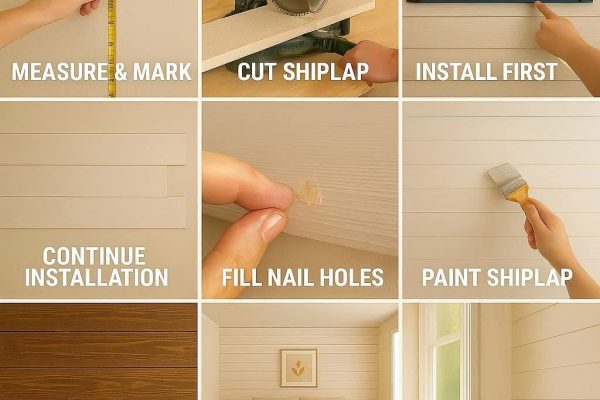
- Ceiling Options: Consider adding architectural interest with beadboard, coffered ceilings, or simple decorative beams. Paint ceilings before walls to avoid drips on your fresh wall paint.
6. Kitchen and Bathroom Focus: High-Impact Remodels
Kitchens and bathrooms offer the highest return on investment but present unique challenges due to their complex systems and intensive use.
- Kitchen Layout Types: Understand the basic layouts (galley, L-shaped, U-shaped, island) and choose one that fits your space and cooking style.
- Cabinet Options: New cabinets are a major expense. Consider refinishing or refacing existing cabinets if they’re structurally sound. Ready-to-assemble (RTA) cabinets offer a budget-friendly alternative to custom.
- Bathroom Ventilation: Proper ventilation is non-negotiable. Install a vent fan that’s properly sized for the room and vents to the exterior, not just into the attic.
- Waterproofing: In wet areas (showers, tub surrounds), proper waterproofing behind tiles is essential to prevent moisture damage and mold.
7. Finishing Touches: Bringing Your Vision to Life
The final details elevate your remodel from functional to exceptional, adding personality and polish.
- Trim and Molding: Well-executed trim work (baseboards, crown molding, window casings) gives a room a finished, professional appearance. Miter cuts must be precise for clean corners.
- Paint and Finish: Choose paints appropriate for each surface (moisture-resistant for bathrooms, scrubbable for kitchens, durable enamel for trim). Use proper techniques for a flawless finish.
- Hardware and Fixtures: Cabinet pulls, faucets, light fixtures, and switch plates may be small details, but they significantly impact the overall style. Choose a cohesive finish throughout.
- Final Installation: Carefully install appliances, plumbing fixtures, and lighting. Take time to adjust doors and drawers for perfect alignment.
Conclusion: The Rewarding Journey of Transformation
A successful interior remodel is a marathon, not a sprint. It requires patience, flexibility, and a willingness to solve problems as they arise. By breaking the process into manageable phases—meticulous planning, careful demolition, addressing essential systems, and attending to finishing details—you can achieve a transformation that dramatically improves your daily life and your home’s value. Remember that some aspects, particularly structural changes and complex electrical or plumbing work, may require professional assistance. Know your limits, celebrate progress along the way, and enjoy the profound satisfaction of creating a home that truly reflects your vision and meets your needs.