Table of Contents
- Introduction
- Understanding Companion Planting
- Benefits of Companion Planting
- Steps to Plan Your Companion Planting Chart
- Choosing Compatible Plant Combinations
- Designing Your Garden Layout
- Maintaining and Updating Your Chart
- Common Mistakes to Avoid
- Conclusion
1. Introduction
Companion planting is a strategic gardening method where certain plants are grown together to enhance growth, deter pests, and improve yield. By planning a companion planting chart, gardeners can maximize space, reduce the need for chemicals, and promote a healthy, thriving garden ecosystem. Whether you have a small backyard garden or a larger plot, understanding plant relationships is key to successful companion planting.
2. Understanding Companion Planting
Companion planting is based on the natural relationships between plants. Some plants benefit each other when planted close together, while others may compete for nutrients or attract pests. Understanding these interactions allows gardeners to:
- Improve soil fertility
- Repel harmful insects naturally
- Attract beneficial pollinators
- Optimize growth and yield
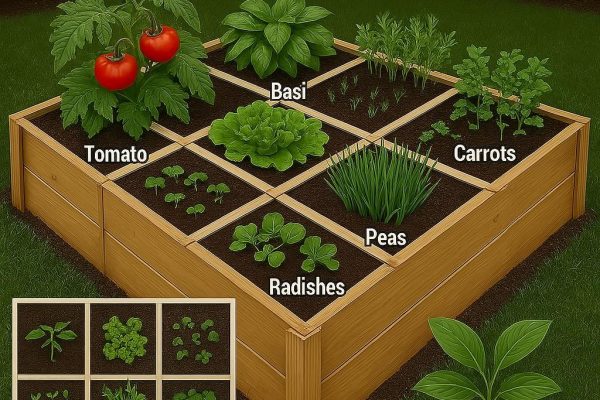
Popular examples include planting basil alongside tomatoes to improve flavor and repel insects, or marigolds with vegetables to deter nematodes.

3. Benefits of Companion Planting
A well-planned companion planting chart offers multiple advantages:
- Pest Control: Certain plants repel specific pests without chemicals.
- Enhanced Growth: Some plants provide nutrients or shade for their neighbors.
- Maximized Space: Intercropping allows more plants in the same area.
- Biodiversity: Promotes a balanced garden ecosystem.
- Healthier Produce: Improved soil and plant interactions often result in tastier, more robust crops.
4. Steps to Plan Your Companion Planting Chart
Planning a successful chart involves several steps:
- Assess Your Garden Space: Measure your garden and identify areas for sun, shade, and water accessibility.
- List Your Plants: Write down vegetables, herbs, and flowers you want to grow.
- Research Plant Relationships: Identify which plants are compatible, which repel pests, and which attract beneficial insects.
- Create Your Chart: Use a table or grid to map plant combinations. Include spacing requirements, planting times, and seasonal rotation notes.
- Prioritize High-Impact Combinations: Start with companion pairs that significantly improve growth or pest resistance.
5. Choosing Compatible Plant Combinations
Successful companion planting depends on selecting the right plant pairings:
- Vegetable-Vegetable: Carrots and onions, corn and beans
- Vegetable-Herb: Tomatoes and basil, cucumbers and dill
- Vegetable-Flower: Lettuce and nasturtium, peppers and marigold
- Trap Crops: Planting sacrificial crops like radishes to attract pests away from primary plants
Remember that some plants inhibit others. For example, onions can stunt the growth of beans and peas, while fennel may hinder most vegetables.
6. Designing Your Garden Layout
Once your chart is ready, design a garden layout that reflects your companion planting plan:
- Group Compatible Plants: Keep mutually beneficial plants together to optimize growth.
- Intercrop Strategically: Plant fast-growing crops between slower ones to maximize space.
- Consider Height and Shade: Taller plants can provide shade to shorter, shade-tolerant plants.
- Rotate Crops Annually: Prevent soil depletion and reduce disease risk by moving plant families each year.
Visual mapping, either on paper or digitally, can help you see relationships and spacing clearly.
7. Maintaining and Updating Your Chart
A companion planting chart is not static. Update it regularly:
- Record successes and failures each season
- Adjust plant pairings based on observed growth and pest patterns
- Modify spacing, planting dates, and rotations for optimal results
- Include notes on soil amendments or fertilizers used
Keeping a detailed garden journal alongside your chart ensures continuous improvement.
8. Common Mistakes to Avoid
Even experienced gardeners can make errors with companion planting:
- Ignoring Plant Spacing: Crowding can reduce airflow and increase disease risk.
- Overlooking Seasonal Changes: Some companions only work in certain seasons.
- Neglecting Soil Requirements: Plants with different nutrient needs may compete if soil is not managed.
- Forgetting Crop Rotation: Growing the same plant family repeatedly in one area can invite pests and deplete soil.
Being mindful of these mistakes helps your companion planting chart remain effective.
9. Conclusion
A well-planned companion planting chart is a powerful tool for creating a productive, healthy, and low-maintenance garden. By understanding plant relationships, designing thoughtful layouts, and monitoring results, gardeners can enhance growth, deter pests naturally, and enjoy a thriving garden all season long. Companion planting not only improves yields but also promotes biodiversity and sustainable gardening practices, making your garden a beautiful and efficient space.