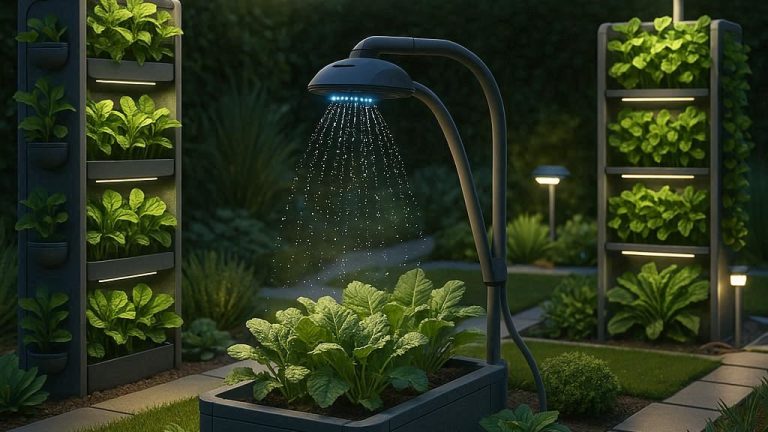
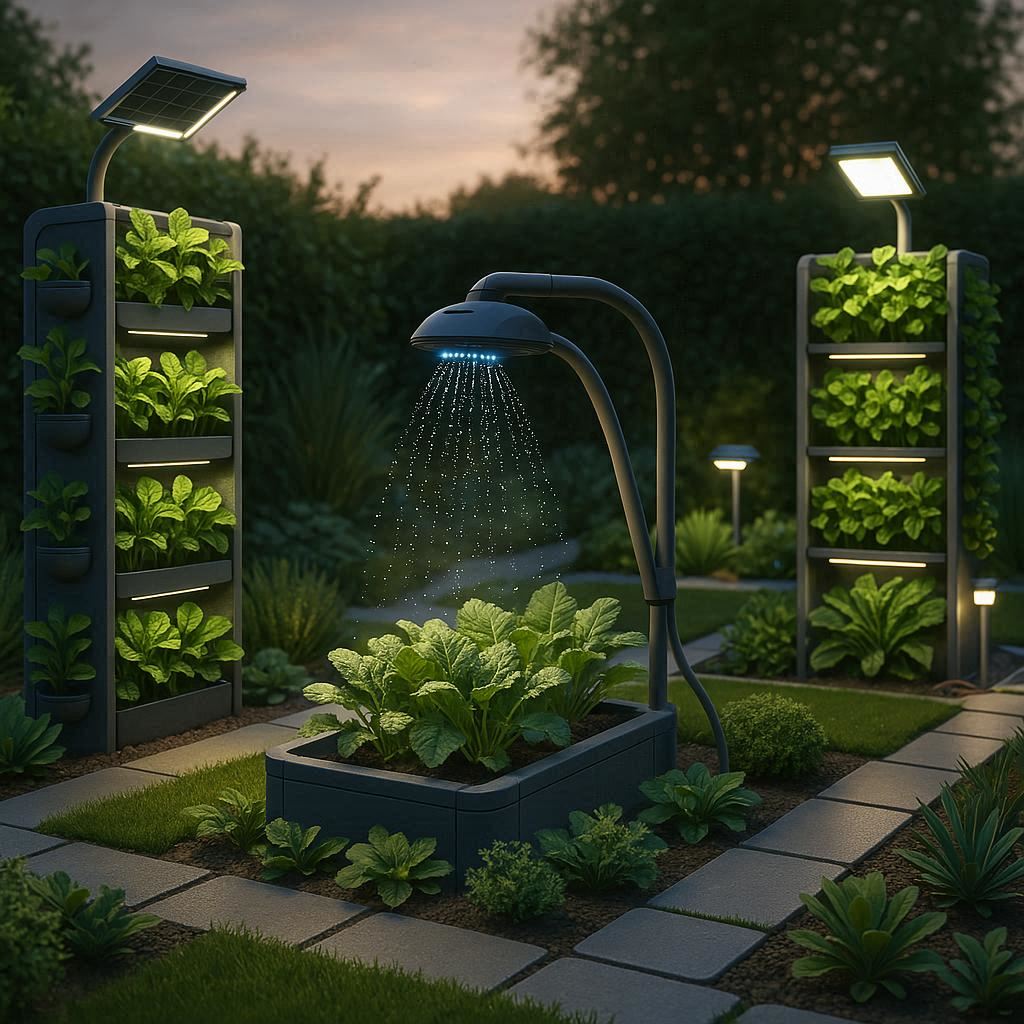
The home and garden industry continues to evolve at an accelerated pace, with technological innovation, environmental concerns, and changing lifestyle needs driving significant transformations in how we design, maintain, and experience our living spaces. From AI-powered gardening systems to climate-adaptive home designs, several emerging trends are reshaping our relationship with domestic environments. This comprehensive news analysis examines the most impactful developments currently transforming the home and garden sector, providing insights into how these changes might affect homeowners, gardeners, and industry professionals in the coming years.
Article Directory:
- AI Integration in Garden Management
- Climate-Adaptive Landscaping Solutions
- Sustainable Home Material Innovations
- Wellness-Focused Home Design
- Urban Gardening Technological Advances
- Smart Home Energy Systems
- Community Gardening Initiatives
1. AI Integration in Garden Management
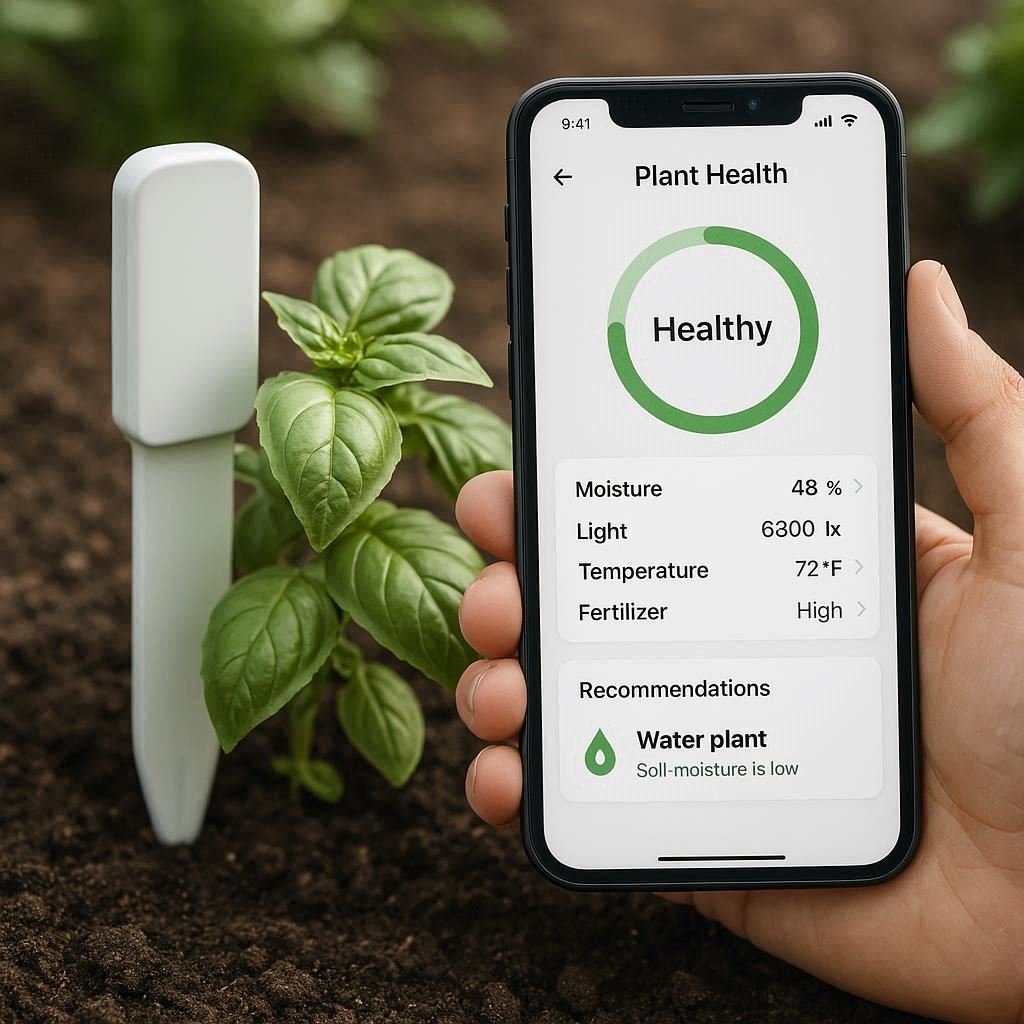
Artificial intelligence has transitioned from concept to practical application in home gardening, with several companies launching AI-powered systems that revolutionize plant care.
- Latest Development: startups have introduced garden sensors that use machine learning algorithms to analyze soil conditions, plant health, and environmental factors. These systems provide personalized recommendations for watering, fertilizing, and pest control based on specific plant types and local conditions.
- Impact: Early adopters report 30% reduction in water usage and significantly improved plant health through precise, data-driven care instructions. The systems can identify diseases before visible symptoms appear, potentially saving entire crops from destruction.
- Industry Response: Major garden equipment manufacturers are acquiring AI technology companies and integrating smart features into their existing product lines. The market for smart gardening devices is projected to grow by 40% annually through 2028.
- Consumer Access: While currently positioned as premium products, industry analysts predict prices will decrease by 25-30% within 18 months as competition increases and technology matures.
2. Climate-Adaptive Landscaping Solutions
As climate patterns become increasingly unpredictable, homeowners and landscapers are adopting new approaches to create resilient outdoor spaces.
- Latest Development: The American Society of Landscape Architects has published new guidelines for climate-adaptive landscaping, emphasizing native plants, water management systems, and heat-resistant materials. Several states have begun offering tax incentives for implementing these practices.
- Impact: Homes with climate-adapted landscaping maintain property values better during extreme weather events and require 40-60% less water for maintenance. Insurance companies are beginning to offer premium discounts for properties implementing these measures.
- Regional Variations: Different regions are developing specialized approaches—drought-resistant landscaping in the Southwest, flood-resistant designs in coastal areas, and wind-resistant structures in tornado-prone regions.
- Technology Integration: New software tools help homeowners visualize how their landscapes will perform under various climate scenarios, allowing for better planning and investment decisions.
3. Sustainable Home Material Innovations
Building material manufacturers are responding to environmental concerns with breakthrough products that reduce carbon footprints without compromising performance.
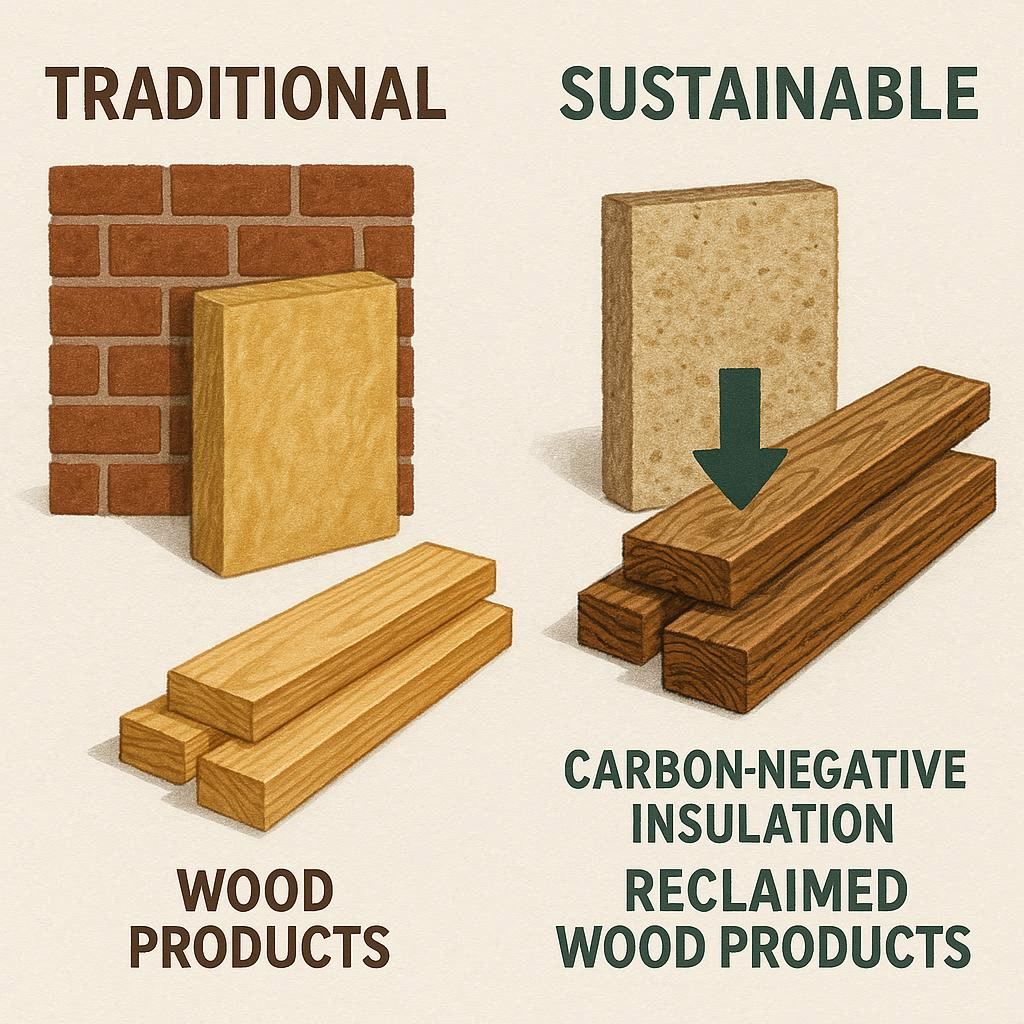
- Latest Development: Researchers have developed carbon-negative insulation materials made from agricultural waste that actually sequester carbon dioxide. Several major home builders have committed to using these materials in all new constructions by 2027.
- Regulatory Changes: The International Code Council has updated building codes to require higher percentages of recycled content in construction materials, driving innovation in reclaimed material applications.
- Consumer Demand: 68% of home buyers now consider environmental impact when selecting materials, according to a recent National Association of Home Builders survey. This has accelerated adoption of sustainable options across price points.
- Performance Breakthroughs: New bio-based composites match or exceed traditional materials in durability, moisture resistance, and thermal performance, addressing previous concerns about sustainable alternatives.
4. Wellness-Focused Home Design
The connection between home environments and mental/physical health has become a primary consideration in residential design, with several notable trends emerging.
- Latest Development: Architects are incorporating biophilic design principles that connect occupants with nature through intentional placement of windows, incorporation of natural materials, and integration of indoor plantscaping.
- Health Integration: Homes are increasingly being designed with dedicated spaces for meditation, exercise, and telehealth consultations. Soundproofing for mental quiet and air purification systems have become standard features in new constructions.
- Technology Balance: While smart home technology advances, designers are also creating “tech-free zones” where residents can disconnect from digital stimulation. This balanced approach addresses concerns about constant connectivity.
- Market Response: Wellness-focused homes command 7-15% premium over comparable conventional properties, according to recent real estate market analyses.
5. Urban Gardening Technological Advances
Urban agriculture technology has made significant strides, enabling city dwellers to grow substantial food quantities in limited spaces.
- Latest Development: Vertical farming systems for home use have become increasingly affordable and efficient. New LED lighting technology provides optimal growing spectra while consuming 50% less energy than previous systems.
- Policy Changes: Several major cities have updated zoning laws to allow commercial urban agriculture in residential areas, creating new opportunities for home-based food businesses.
- Community Impact: Urban gardening has been shown to reduce food deserts, with community gardens increasing fresh produce access by 30% in participating neighborhoods.
- Technology Integration: Automated systems now manage lighting, watering, and nutrient delivery, making urban farming accessible to people without gardening experience.
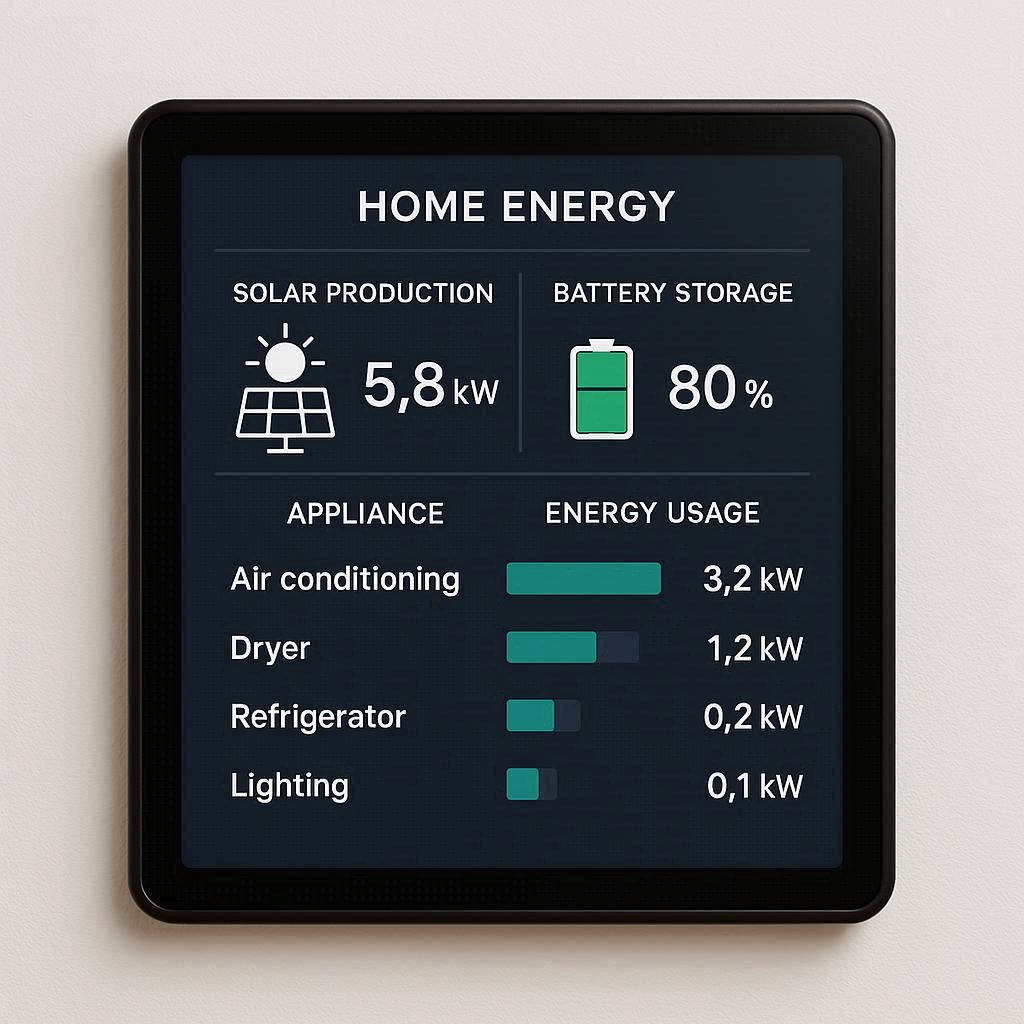
6. Smart Home Energy Systems
Residential energy management has evolved beyond solar panels to integrated systems that optimize energy use, storage, and even generation.
- Latest Development: Whole-home energy management systems now integrate solar generation, battery storage, electric vehicle charging, and smart appliance control to minimize grid dependence and reduce costs.
- Grid Integration: Homes with advanced energy systems can now participate in virtual power plants, selling excess energy back to the grid during peak demand periods and earning significant credits.
- Cost Reductions: Battery storage costs have decreased by 40% in the past two years, making complete energy independence achievable for middle-income homeowners.
- Government Incentives: Extended tax credits and new rebate programs have made renewable energy systems more accessible. Some utilities offer additional incentives for homes that reduce peak demand on the grid.
7. Community Gardening Initiatives
Community gardening has evolved from simple plot sharing to sophisticated programs addressing food security, education, and social connection.
- Latest Development: Municipal governments are partnering with nonprofit organizations to develop community gardens on underutilized public land. These initiatives include educational programs, job training, and food distribution systems.
- Technology Integration: New apps help coordinate community garden activities, track planting schedules, and facilitate produce sharing among participants.
- Health Outcomes: Studies show participants in community gardening programs report improved mental health, increased physical activity, and better nutrition compared to control groups.
- Policy Support: The USDA has launched new grant programs supporting urban agriculture initiatives, with $100 million allocated to community garden projects in food-insecure areas.
Conclusion: The Future of Home and Garden is Integrated and Intelligent
The most significant trend emerging across all home and garden sectors is integration—between technology and nature, between individual homes and community systems, and between environmental responsibility and personal comfort. The successful homes and gardens of the future will balance high-tech solutions with natural principles, creating spaces that are both efficient and nurturing.
For homeowners and professionals, staying informed about these developments is crucial for making decisions that will enhance property values, improve quality of life, and contribute to environmental sustainability. As these trends continue to evolve, they promise to transform our living spaces into more responsive, efficient, and healthy environments that adapt to our changing world while addressing pressing environmental challenges.