Table of Contents
- Introduction
- Understanding Minimalism
- Key Principles of Minimalist Design
- Decluttering Your Home
- Choosing the Right Furniture
- Color Schemes and Materials
- Lighting and Space Optimization
- Minimalist Decor and Accessories
- Maintaining a Clutter-Free Home
- Conclusion
1. Introduction
Minimalist home design has become a popular approach for creating calm, organized, and visually appealing living spaces. The idea is to focus on quality over quantity, emphasizing simplicity, functionality, and aesthetic balance. By adopting minimalist principles, homeowners can enjoy a clutter-free environment that promotes relaxation, mindfulness, and efficiency. Minimalism is not just a design style but a lifestyle choice that prioritizes intentional living.
2. Understanding Minimalism
At its core, minimalism is about reducing excess and focusing on essentials. In home design, this means removing unnecessary items, choosing functional furniture, and maintaining clean lines throughout your space. Minimalist homes often feature open layouts, neutral color palettes, and natural materials. The approach encourages thoughtful consumption, helping individuals create spaces that are both practical and beautiful without feeling empty or cold.
3. Key Principles of Minimalist Design
Minimalist design is guided by several fundamental principles:
- Simplicity: Focus on clean lines, open spaces, and uncluttered surfaces.
- Functionality: Every item should serve a purpose; avoid decorative items without use.
- Quality over Quantity: Invest in fewer, high-quality pieces rather than many low-quality ones.
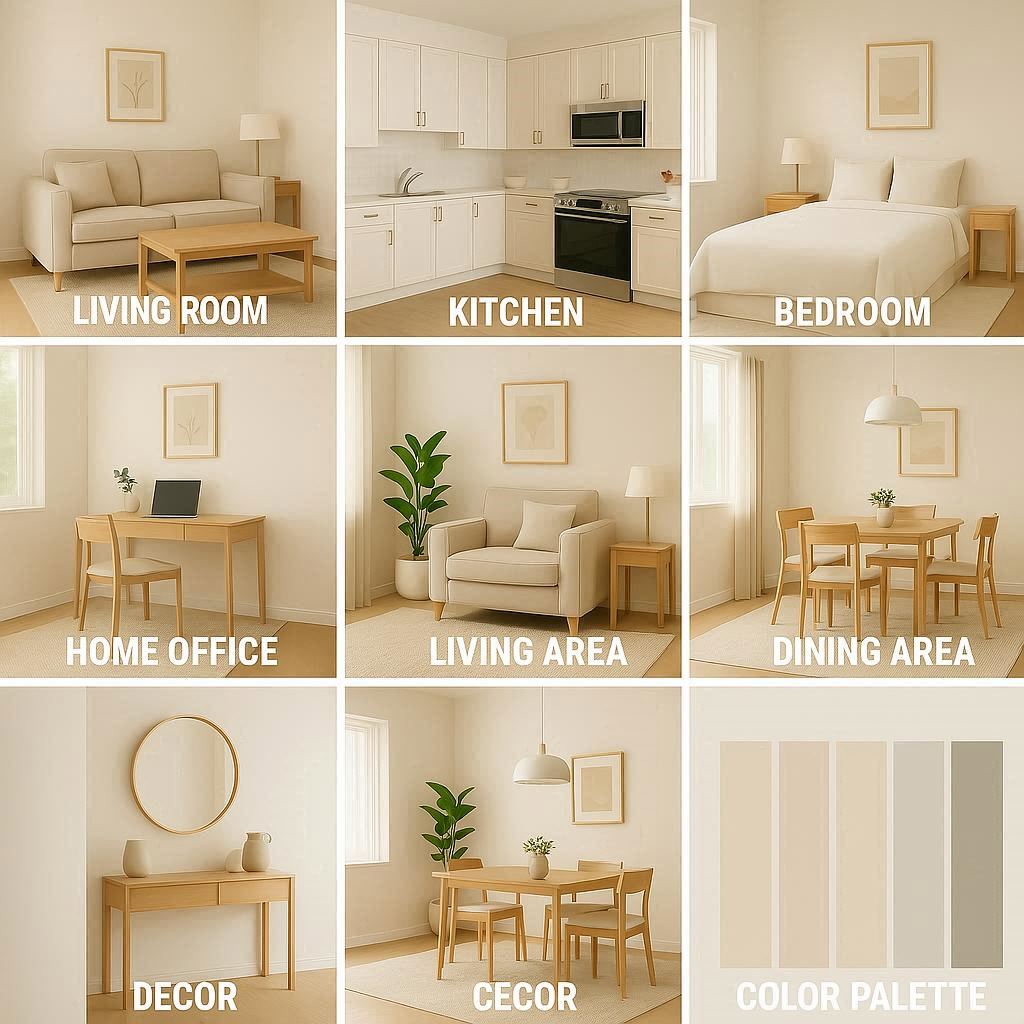
- Neutral Color Palette: Whites, grays, beiges, and soft pastels create a calm atmosphere.
- Natural Materials: Wood, stone, and glass add warmth and texture to minimalist spaces.
These principles ensure that each element in the home contributes to a sense of harmony and order.
4. Decluttering Your Home
A clutter-free space is essential to minimalist design. Steps to declutter effectively:
- Assess Each Room: Identify items that are not used or do not add value to your life.
- Sort and Organize: Create categories for keeping, donating, or discarding items.
- Limit Decorative Items: Keep surfaces clear, displaying only a few meaningful objects.
- Adopt a “One In, One Out” Rule: For every new item introduced, remove an existing one.
Decluttering helps maintain visual clarity and simplifies daily routines, making the home feel spacious and serene.
5. Choosing the Right Furniture
Furniture in a minimalist home should be functional, aesthetically pleasing, and appropriately scaled for the space:
- Multi-Functional Pieces: Sofas with storage, foldable tables, or beds with drawers maximize utility.
- Simple Shapes: Stick to clean lines, avoiding ornate or overly decorative furniture.
- Neutral Finishes: Wood, metal, and glass in neutral tones blend seamlessly with minimal interiors.
- Quality Materials: Durable furniture ensures longevity, reducing the need for frequent replacements.
Selecting the right furniture supports both function and visual simplicity.
6. Color Schemes and Materials
Minimalist spaces rely on cohesive color palettes and natural materials to create warmth without clutter:
- Neutral Colors: Whites, creams, grays, and soft pastels are calming and versatile.
- Accent Colors: Use subtle accents through cushions, rugs, or wall art for visual interest.
- Natural Textures: Wood floors, stone countertops, and linen textiles add depth and tactile appeal.
- Consistency: Keeping colors and materials consistent across rooms promotes harmony and flow.
7. Lighting and Space Optimization
Proper lighting enhances the minimalist aesthetic and emphasizes open, airy spaces:
- Natural Light: Maximize sunlight with large windows and minimal window treatments.
- Layered Lighting: Combine overhead lighting, task lighting, and accent lighting for functionality.
- Mirrors: Strategically placed mirrors reflect light and visually expand small spaces.
- Open Layouts: Avoid unnecessary partitions to maintain a sense of openness and movement.
8. Minimalist Decor and Accessories
Even in minimalism, decor adds personality and style:
- Statement Pieces: A single large artwork or vase can serve as a focal point.
- Functional Decor: Items like stylish storage baskets or elegant trays serve practical purposes.
- Textural Interest: Add subtle textures with rugs, cushions, or throws in neutral tones.
- Plants: Minimalist indoor plants like succulents or snake plants bring life without overwhelming the space.
9. Maintaining a Clutter-Free Home
Consistency is key to sustaining a minimalist lifestyle:
- Daily Tidying: Put items back in their place to prevent accumulation of clutter.
- Regular Decluttering: Review possessions periodically to maintain simplicity.
- Intentional Purchases: Avoid impulse buying; choose items that add value and purpose.
- Mindful Living: Minimalism extends beyond design, encouraging thoughtful and sustainable living habits.
10. Conclusion
Minimalist home design creates serene, clutter-free spaces that are both beautiful and functional. By adhering to core principles such as simplicity, functionality, and intentional living, homeowners can achieve a home that promotes calm, efficiency, and aesthetic harmony. Combining thoughtful furniture selection, cohesive color palettes, natural materials, and purposeful decor allows you to enjoy a home that is clean, organized, and visually appealing, while enhancing your daily life with comfort and clarity.